I Just Found It on My Son’s Head... What Is It?
As parents, few things are more alarming than discovering a strange insect crawling in your child's hair. That's exactly what happened to one mother, who noticed a tiny bug on her son's scalp and immediately began searching for answers.
At first glance, many people fear the worst. Is it dangerous? Can it spread disease? Is it a sign of poor hygiene?
The truth may surprise you.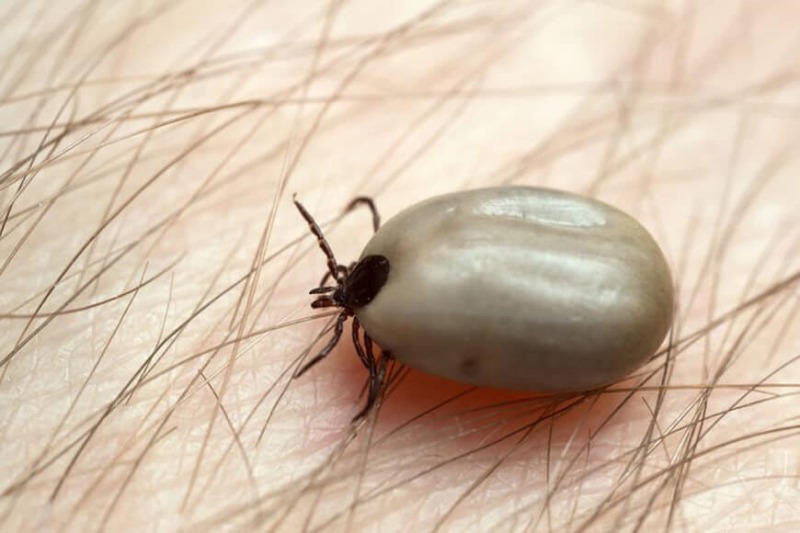
The Most Common Culprit: Head Lice
In many cases, insects found in a child's hair turn out to be head lice.
Head lice are tiny parasitic insects that live on the human scalp and feed on small amounts of blood. They are extremely common among school-aged children and can spread easily through close head-to-head contact.
Contrary to popular belief, head lice are not a sign of poor hygiene. In fact, they can affect anyone, regardless of how clean their hair is.
What Do Head Lice Look Like?
Adult lice are usually:
- About the size of a sesame seed
- Tan, gray, or brown in color
- Fast-moving and difficult to spot
- Found close to the scalp
Their eggs, called nits, are even smaller and often appear as tiny white or yellowish dots attached firmly to hair shafts.
Many parents mistake nits for dandruff, but unlike dandruff, nits cannot be easily brushed away.
Common Signs of a Lice Infestation
Not every child experiences symptoms immediately. However, some common signs include:
Persistent Itching
The most common symptom is itching, especially behind the ears and near the back of the neck.
This occurs because the scalp reacts to the saliva of the lice.
Tickling Sensation
Some children describe a feeling that something is moving through their hair.
Difficulty Sleeping
Head lice tend to be more active in the dark, which can sometimes make children uncomfortable at night.
Visible Nits or Lice
Parents may notice tiny insects or eggs during routine hair brushing or bathing.
How Do Children Get Head Lice?
Lice cannot jump or fly.
They spread primarily through direct head-to-head contact.
Children are particularly vulnerable because they often:
- Play closely together
- Share space at school
- Take group photos
- Participate in sports and activities
Less commonly, lice may spread through shared personal items such as:
- Hats
- Hairbrushes
- Hair accessories
- Pillowcases
Are Head Lice Dangerous?
Although lice can be frustrating and uncomfortable, they generally do not transmit serious diseases.
The biggest concerns include:
- Intense itching
- Skin irritation
- Sleep disruption
- Secondary skin infections from excessive scratching
Most cases can be treated successfully with appropriate products and careful removal of nits.
What Should Parents Do?
If you suspect head lice:
Examine the Hair Carefully
Use bright lighting and inspect the scalp, especially around:
- Behind the ears
- The crown of the head
- The nape of the neck
A fine-toothed lice comb can help identify lice and nits.
Treat Promptly
Many over-the-counter treatments are available specifically for head lice.
Always follow product instructions carefully and consult a healthcare professional if you are unsure which treatment is appropriate.
Check Family Members
Because lice spread easily, it's a good idea to examine other household members as well.
Wash Personal Items
Consider washing:
- Bedding
- Hats
- Hair accessories
- Recently worn clothing
Items should be washed in hot water whenever possible.
When Should You Seek Medical Advice?
Contact a healthcare professional if:
- Home treatments are unsuccessful
- The scalp becomes infected
- The child develops severe irritation
- You are uncertain whether the insect is actually a louse
In some cases, what appears to be lice may instead be another harmless insect, dandruff, skin debris, or a different scalp condition.
The Bottom Line
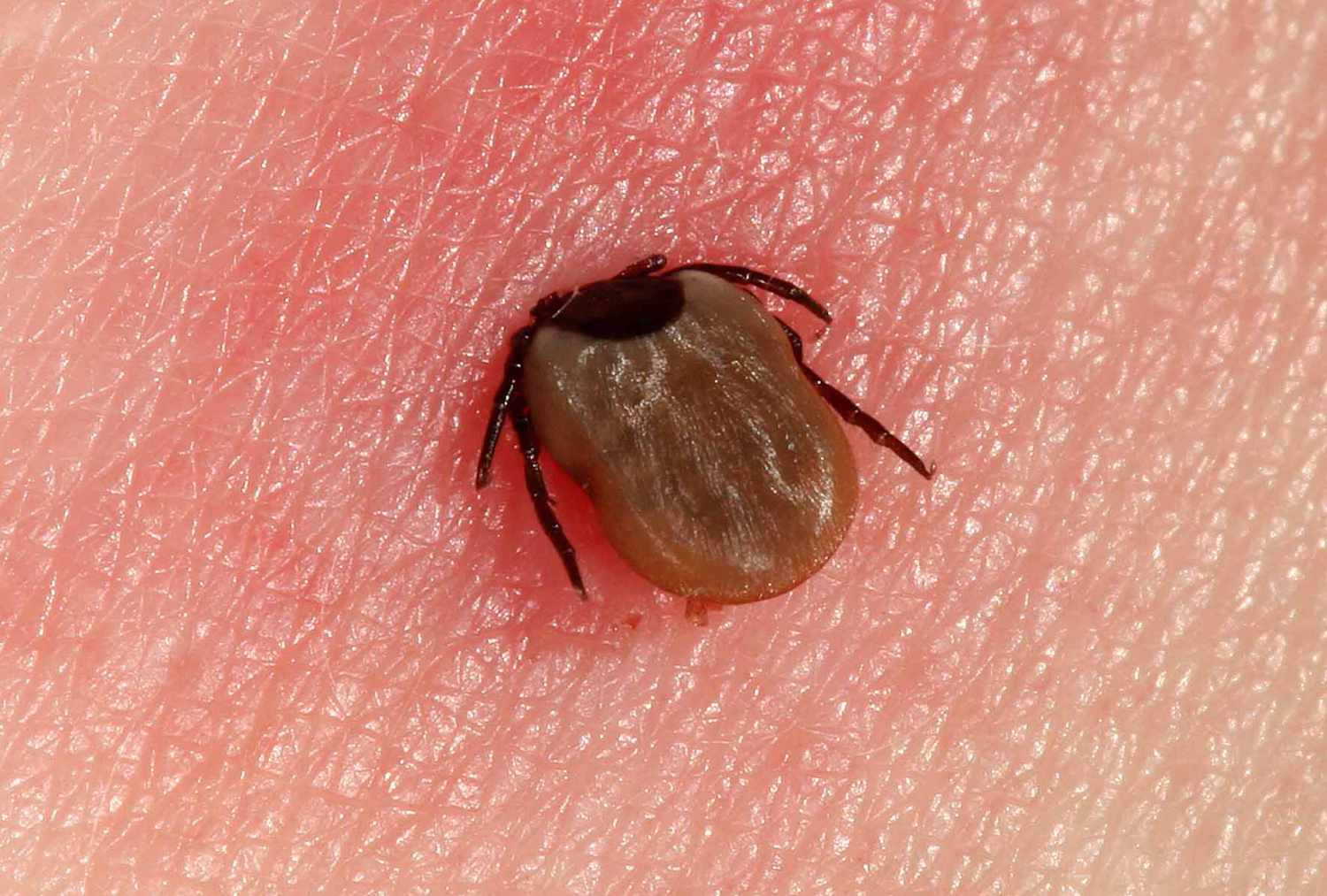
Finding a strange insect in your child's hair can be unsettling, but in many cases the explanation is relatively simple: head lice.
While lice are unpleasant and highly contagious among children, they are usually not dangerous and can be treated effectively with proper care.
The most important step is to remain calm, inspect carefully, and take appropriate action if lice are confirmed.
Sources:
- Centers for Disease Control and Prevention (CDC)
- American Academy of Pediatrics
- Mayo Clinic
- Cleveland Clinic
- National Health Service (NHS)