At first, the spots may look like nothing more than a minor skin irritation.
But when numerous small red bumps suddenly appear across the arms and legs after spending several nights in an unfamiliar or older apartment, it's natural to wonder what caused them.
The image shows multiple small reddish bumps scattered across the skin, particularly on the legs and forearm. Because they appeared after staying somewhere else, one possibility is exposure to biting insects, although the appearance of a rash alone cannot establish the cause.
Several conditions can produce similar-looking bumps, including bedbug or flea bites, scabies, contact dermatitis, folliculitis, and other skin reactions.
So before assuming the worst, it's worth understanding what might be happening and what clues can help distinguish one possibility from another.
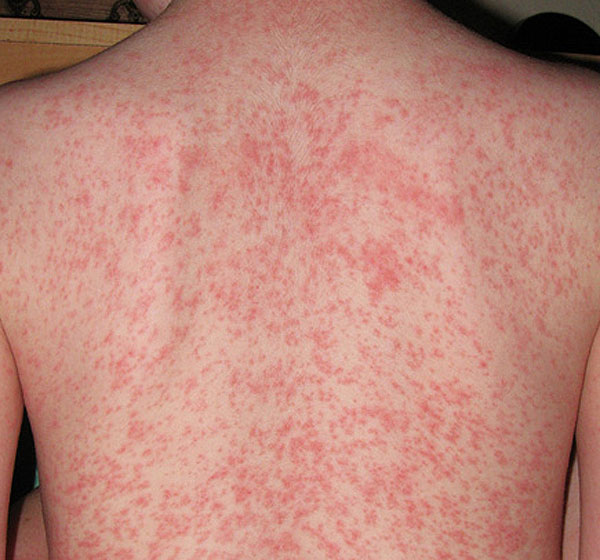
The Timing Is an Important Clue
One of the most useful details in this situation is not necessarily the appearance of each individual bump.
It's when they appeared.
If the skin was relatively clear before staying at the apartment and the bumps appeared during or shortly after several nights there, an environmental exposure becomes worth considering.
An unfamiliar sleeping environment can expose someone to:
-
Bedbugs
-
Fleas
-
Mosquitoes
-
Mites
-
New detergents or cleaning products
-
Different fabrics or bedding materials
-
Dust and other irritants
That doesn't prove that insects caused the reaction, but the timing provides an important clue.
Could These Be Bedbug Bites?
Bedbugs are one of the first things people think about when unexplained bumps appear after sleeping somewhere unfamiliar.
These small insects feed on blood and commonly hide in places close to where people sleep.
They may be found around:
-
Mattress seams
-
Box springs
-
Bed frames
-
Headboards
-
Furniture cracks
-
Baseboards
-
Upholstered furniture
-
Luggage and clothing
Bedbug bites can appear as small, itchy red bumps, sometimes occurring in clusters or groups.
However, there is an important catch:
Not everyone reacts to bedbug bites in the same way.
Some people develop obvious itchy bumps, while others have little or no visible reaction.
The appearance of the skin therefore cannot confirm a bedbug infestation by itself.
Look Beyond the Skin
If bedbugs are suspected, inspecting the environment may provide more useful information than studying the bumps alone.
Look carefully around the sleeping area for:
-
Tiny dark spots on bedding
-
Small blood stains
-
Shed insect skins
-
Small insects around mattress seams
-
Eggs or eggshells
-
Unusual marks around the bed frame
Finding evidence of insects would make an environmental explanation more plausible.
However, the absence of visible insects doesn't completely rule them out.
Bedbugs are small and can hide extremely well.
What About Flea Bites?
Fleas are another possibility, particularly if the apartment has pets or had pets previously.
Flea bites often occur around the lower legs and ankles, although other exposed areas can also be affected.
They can produce small, itchy red bumps.
If the apartment has cats, dogs, carpets, upholstered furniture, or a history of animals, flea exposure becomes another possibility worth considering.
Again, though, the image alone cannot distinguish flea bites from other causes.
Could It Be Scabies?
Scabies is caused by microscopic mites that burrow into the skin.
Unlike a short-term exposure to mosquitoes or bedbugs, scabies can persist and spread through prolonged skin-to-skin contact or shared bedding and clothing.
Symptoms commonly include intense itching, often worse at night, along with small bumps or a rash.
Certain areas are more commonly affected, including:
-
Between the fingers
-
Wrists
-
Waist
-
Armpits
-
Groin
-
Buttocks