Chapter 1: The First Moments After a Snakebite
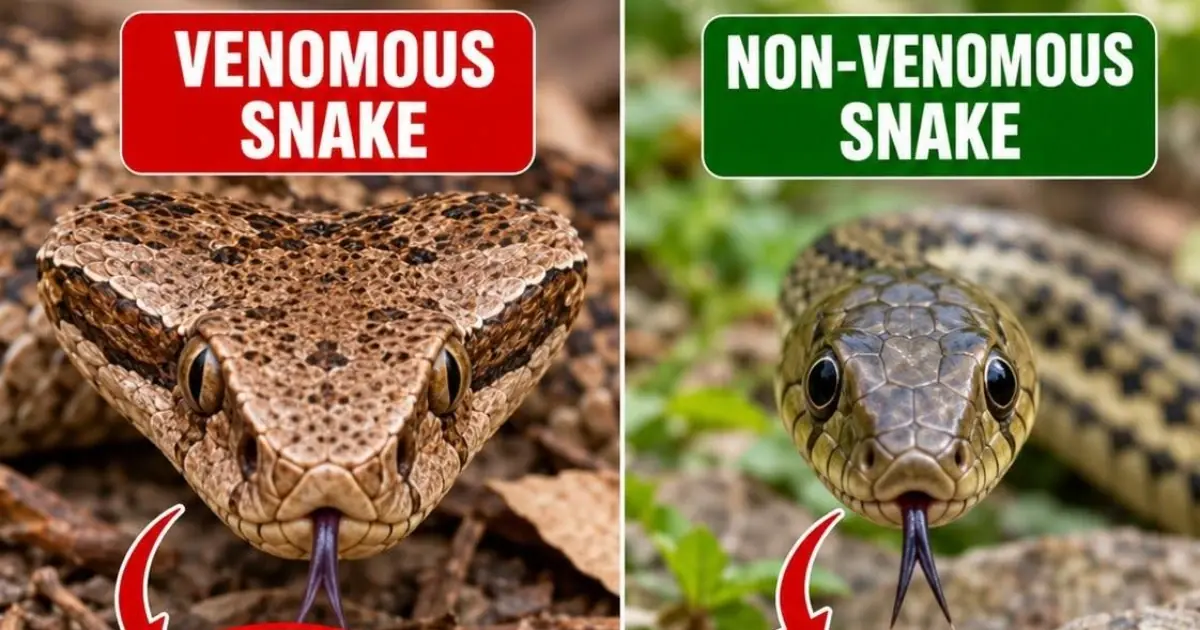
A snakebite can happen in a garden, on a hiking trail, near a river, or while someone is working outdoors. In many cases, the encounter is sudden. A person may step near a snake hidden beneath leaves or accidentally disturb it while moving stones or firewood.
The first moments after a bite are frightening, but the most important response is to remain as calm and still as possible.
Treat any suspected snakebite as a medical emergency. Do not wait to see whether swelling or other symptoms develop. Some venomous bites cause few immediate symptoms, and the absence of severe pain does not prove that the bite is harmless.
Move away from the snake
The first priority is personal safety.
Move away from the snake without trying to approach it, capture it, or kill it. A frightened or injured snake may bite again if someone attempts to handle it.
Once the person is safely away, call the local emergency number or arrange urgent medical assistance. If an ambulance is available, use it rather than having the bitten person walk or drive.
A snake that has already moved away should be left alone.
If the snake can be photographed from a safe distance without delaying medical care, the picture may help medical professionals identify the species. However, nobody should risk another bite to obtain a photograph.
Keep the person still
Movement can encourage venom to spread through the body's lymphatic system. For this reason, the bitten person should sit or lie down and avoid unnecessary movement.
If the bite is on an arm or leg, support the affected limb with a splint or another suitable support to limit movement.
Do not encourage the person to walk back to a vehicle if help can be brought closer. If transportation is necessary, others should assist while keeping the patient as still as possible.
The person should be reassured and observed while waiting for medical help.
Remove tight items
Swelling may develop around the bite.
Remove rings, watches, bracelets, tight shoes, or other restrictive items near the affected area before swelling becomes severe, provided this can be done without moving the limb excessively.
Do not force an item off if it is stuck or removal would cause significant movement. Emergency professionals can help.
Record the time
If possible, remember or write down the approximate time of the bite.
Medical staff may also need to know when symptoms began and whether swelling, pain, weakness, or other changes have occurred.
This information can help clinicians assess the patient's condition and determine the appropriate treatment.
The key message is simple: get away from the snake, call for medical help, and keep the person still. These steps are more important than trying to identify the snake or examine the bite.
Chapter 2: Venomous or Nonvenomous? Why Bite Marks Can Be Misleading
The supplied image compares two types of snakebite marks. On one side, it shows two prominent puncture wounds associated with a venomous snake. On the other, it shows several smaller marks associated with a nonvenomous snake.
Although this comparison is visually striking, it should not be used as a reliable method of identifying a snakebite.
The appearance of a bite wound cannot safely confirm whether a snake is venomous or whether venom has entered the body.
Some venomous snakes leave two noticeable fang punctures. Others may leave less obvious marks. A snake may also strike without injecting venom, a situation sometimes called a dry bite.
Nonvenomous snakes can cause punctures, scratches, bruising, and bleeding. Their bite marks may overlap with those caused by venomous species.
Why the number of punctures is not enough
Snake teeth vary considerably among species.
Some snakes have long front fangs, while others have smaller teeth arranged differently. The marks left on skin depend on the snake's anatomy, the angle of the bite, the pressure of the strike, and whether the snake released its grip immediately.
The wound may also be affected by clothing or movement during the encounter.
A person might see two punctures and assume that a venomous snake was responsible. Another person might see several tiny marks and believe the bite was harmless.
Neither conclusion is medically reliable.
Venom does not always cause immediate symptoms
After a venomous bite, symptoms may develop gradually.
Depending on the species, venom can affect blood clotting, muscles, nerves, or local tissue. Some bites cause significant pain and swelling, while others may initially produce limited changes at the bite site.
Possible symptoms include:
-
Pain, tenderness, or swelling around the bite
-
Bruising or bleeding
-
Nausea or vomiting
-
Dizziness, weakness, or faintness
-
Blurred vision or drooping eyelids
-
Difficulty speaking or swallowing
-
Trouble breathing
Not every person experiences all these symptoms. Some effects may appear later, which is why immediate medical evaluation is essential.
What if the bite looks harmless?
A small wound should never be considered proof that the snake was nonvenomous.
The person may have been bitten by a species whose venom causes effects that are not immediately visible. Alternatively, the bite may have occurred through clothing or at an angle that produced unusual marks.
Even if the snake is believed to be harmless, medical professionals should assess the wound when the species is unknown or a venomous bite is possible.
The safest way to identify the snake
If the snake is visible and it is safe to do so, a photograph taken from a distance may help medical staff identify it.
Do not approach the snake to obtain a better picture.