Frequent Itchy Ears? Doctors Say It Could Be a Sign of These 4 Conditions


 6
6
Most people experience an itchy ear once in a while. It might come from dryness, a bit of dust, or even a reaction to weather changes. But when the itching becomes frequent, persistent, or intense, doctors say it may be more than a minor annoyance—it could be your body signaling an underlying issue.
If you find yourself constantly scratching your ears, here are four common conditions that may be worth paying attention to.
🦠 1. Otitis externa (Outer Ear Infection)
Also known as “swimmer’s ear,” this condition occurs when bacteria or fungi infect the outer ear canal.
Common signs:
- Persistent itching inside the ear
- Redness or swelling
- Pain, especially when touching the ear
- Fluid discharge
Moisture trapped in the ear (from swimming or humid environments) creates an ideal place for bacteria to grow. If left untreated, the infection can worsen and cause significant discomfort.
🌿 2. Ear eczema (Skin Conditions)
Skin conditions such as eczema or dermatitis can affect the ear canal, leading to chronic itching.
Symptoms may include:
- Dry, flaky skin inside or around the ear
- Redness and irritation
- Occasional cracking or discomfort
People with sensitive skin or allergies are more likely to develop this condition. Using harsh products (like certain shampoos or earbuds) can make it worse.
🤧 3. Allergic reaction
Allergies don’t just affect your nose and eyes—they can also cause itching in the ears.
Possible triggers:
- Hair products (shampoo, dye, sprays)
- Earrings or metals (like nickel)
- Dust or environmental allergens
In this case, the itching is often accompanied by a tickling sensation in the throat or mild ear discomfort.
🧼 4. Earwax blockage
Earwax (cerumen) normally protects your ears, but too much—or too little—can lead to irritation.
Signs include:
- Itching deep in the ear
- A feeling of fullness
- Reduced hearing
- Occasional ringing
Ironically, using cotton swabs can push wax deeper into the ear, making the problem worse.
⚠️ When Should You Be Concerned?
Occasional itching is usually harmless. However, you should consider seeing a doctor if you experience:
- Persistent or worsening itching
- Pain or swelling
- Discharge from the ear
- Hearing loss
These symptoms may indicate an infection or another condition that requires medical attention.
✔️ How to Protect Your Ear Health
- Avoid inserting objects (like cotton swabs) into your ears
- Keep ears dry, especially after swimming or bathing
- Use gentle, hypoallergenic products
- Seek medical advice if symptoms persist
🧾 The Bottom Line
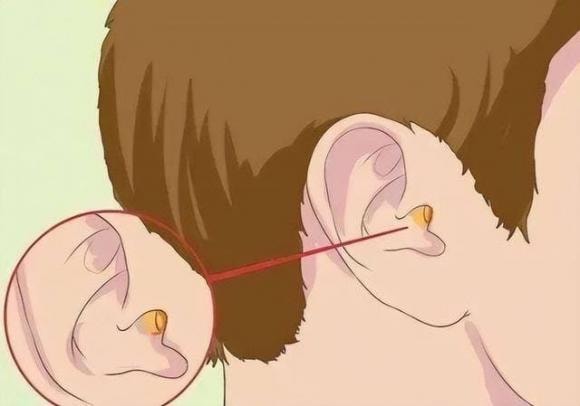
Itchy ears are often dismissed as a minor issue, but when they happen frequently, they can be a sign of something more. Paying attention to your symptoms—and responding early—can help prevent more serious problems.
📚 Sources
- Mayo Clinic — Ear infection and earwax information
- Cleveland Clinic — Causes of itchy ears and treatment
- National Health Service — Ear conditions and symptoms
- American Academy of Otolaryngology–Head and Neck Surgery — Ear care guidelines