Bulging Neck Veins (Jugular Distension): What It Could Indicate
Most of us don't pay much attention to the veins in our neck. However, if you suddenly notice that the veins on one or both sides of your neck appear swollen or unusually prominent—especially while sitting or standing—it may be worth paying attention.
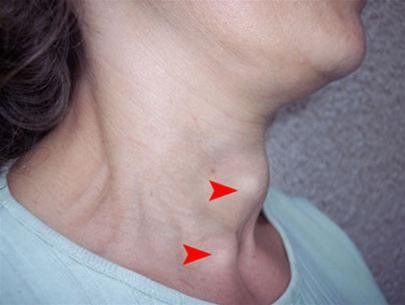
Known medically as jugular vein distension (JVD), bulging neck veins are not a disease themselves. Instead, they can sometimes be a visible sign that the pressure inside the veins leading to the heart is elevated. While some cases are harmless or temporary, others may point to an underlying medical condition that requires prompt evaluation.
Here's what you should know.
What Are the Jugular Veins?
The jugular veins are large blood vessels located on both sides of your neck. Their job is to carry blood from your head and neck back to your heart.
Normally, these veins are difficult to see when you're sitting or standing upright. If they become noticeably enlarged or remain visibly swollen, it may indicate increased pressure in the central venous system.
When Can Bulging Neck Veins Be Normal?
Not every prominent neck vein is a cause for concern.
The veins may temporarily become more visible when you:
- Cough forcefully
- Lift heavy objects
- Hold your breath while straining
- Exercise intensely
- Lie flat on your back
In these situations, the veins usually return to normal once the activity ends.
However, veins that remain swollen while you're sitting or standing deserve medical attention.
Possible Causes of Jugular Vein Distension

1. Heart Failure
One of the most common causes of persistent jugular vein distension is heart failure, particularly when the right side of the heart cannot pump blood effectively.
As blood backs up in the veins, pressure increases, making the jugular veins appear swollen.
Other symptoms may include:
- Shortness of breath
- Fatigue
- Swelling in the legs or ankles
- Rapid weight gain from fluid retention
- Difficulty lying flat due to breathing problems
2. Pulmonary Hypertension
Pulmonary hypertension is high blood pressure in the arteries that supply the lungs.
Over time, this condition forces the right side of the heart to work harder, which may lead to elevated pressure in the jugular veins.
Symptoms may include:
- Shortness of breath during activity
- Chest discomfort
- Dizziness
- Fatigue
- Fainting episodes
3. Tricuspid Valve Disorders
The tricuspid valve separates the right atrium from the right ventricle.
If this valve doesn't close properly or becomes narrowed, blood may flow backward or have difficulty moving forward, increasing pressure in the veins of the neck.
4. Fluid Overload
People with kidney disease, severe heart disease, or certain medical conditions may retain excess fluid.
When too much fluid circulates through the bloodstream, venous pressure can rise, sometimes making the neck veins more noticeable.
5. Superior Vena Cava Obstruction
Although less common, a blockage of the superior vena cava—the large vein carrying blood from the upper body to the heart—can cause swelling of the neck veins.
This may occur due to:
- Blood clots
- Certain tumors
- Scar tissue
- Other conditions affecting the chest
This situation requires prompt medical evaluation.
Symptoms That May Occur Alongside Bulging Neck Veins
Seek medical attention if bulging neck veins are accompanied by:
- Chest pain
- Severe shortness of breath
- Swelling of the legs or feet
- Persistent fatigue
- Blue lips or fingertips
- Dizziness or fainting
- Rapid or irregular heartbeat
These symptoms may indicate a serious heart or lung condition.
How Doctors Diagnose the Cause
A healthcare provider may:
- Perform a physical examination
- Measure jugular venous pressure
- Listen to your heart and lungs
- Order blood tests
- Recommend an electrocardiogram (ECG)
- Perform an echocardiogram (heart ultrasound)
- Request a chest X-ray or CT scan if necessary
Treatment depends entirely on the underlying cause rather than the bulging veins themselves.
Can It Be Prevented?
Because jugular vein distension is usually a symptom rather than a disease, prevention focuses on maintaining heart and vascular health.
Helpful habits include:
- Keep blood pressure under control.
- Stay physically active.
- Eat a heart-healthy diet.
- Avoid smoking.
- Maintain a healthy weight.
- Manage diabetes and high cholesterol.
- Follow treatment plans if you have heart or kidney disease.
When Should You Seek Emergency Care?
Call emergency services immediately if bulging neck veins appear suddenly and are accompanied by:
- Severe chest pain
- Difficulty breathing
- Loss of consciousness
- Blue or gray skin
- Sudden confusion
These symptoms may signal a life-threatening medical emergency.
The Bottom Line
Bulging neck veins, also known as jugular vein distension, are not always a cause for alarm. Temporary swelling can occur during heavy exertion, coughing, or straining. However, persistent or unexplained swelling—especially when accompanied by shortness of breath, chest pain, or leg swelling—may be a sign of an underlying heart or lung condition.
If you notice this symptom, it's important to seek medical evaluation rather than trying to diagnose it yourself. Early assessment can help identify the underlying cause and ensure appropriate treatment.
Disclaimer: This article is for educational purposes only and should not be considered medical advice. If you experience persistent bulging neck veins or develop concerning symptoms such as chest pain or difficulty breathing, seek prompt evaluation from a qualified healthcare professional.