
20 Surprising Benefits of Garlic for Your Throat You Probably Didn’t Know
20 Incredible Garlic Benefits for Your Throat That Most People Overlook
Health 17/03/2026 16:47
Diabetes is a chronic condition that affects how the body regulates blood sugar (glucose). Glucose is the body’s primary source of energy, but when its levels become too high, it can lead to serious health complications over time. One of the challenges with diabetes is that it often develops gradually, and early symptoms can be mild or easy to overlook.
Many people live with undiagnosed diabetes for months or even years because the warning signs may seem harmless at first. However, when certain symptoms appear repeatedly, they may indicate that the body is struggling to manage blood sugar effectively.
It is important to understand that these signs do not automatically mean diabetes is present, but persistent or recurring symptoms should always be evaluated by a healthcare professional. Early detection can help prevent complications and support better long-term health.
Below are five common signs that, if they appear repeatedly, may indicate diabetes.
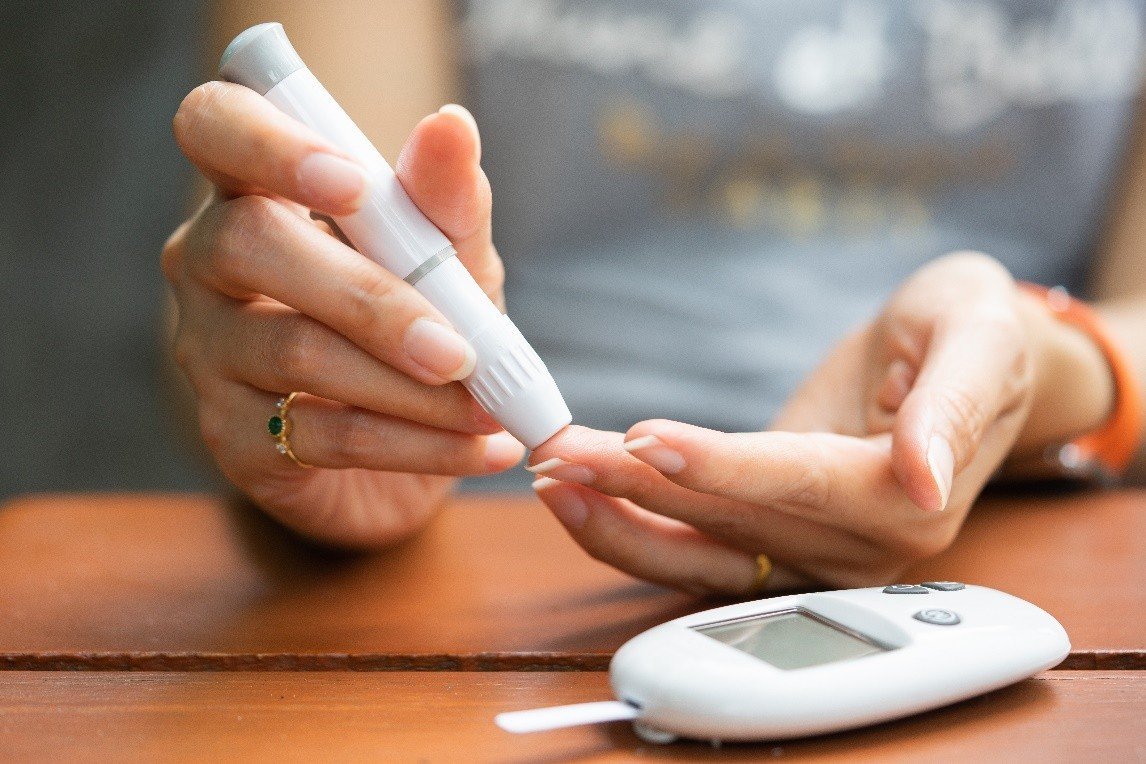
One of the most common early signs of diabetes is the need to urinate more frequently than usual, particularly during the night.
When blood sugar levels are high, the kidneys work harder to remove excess glucose from the bloodstream. This process leads to increased urine production.
People may notice:
Waking up multiple times during the night to urinate
Larger amounts of urine than usual
A sudden change in bathroom habits
Frequent urination can disrupt sleep and may be one of the earliest noticeable symptoms.
Increased urination often leads to dehydration, which triggers persistent thirst. Even after drinking water, the feeling of thirst may not go away.
This cycle—frequent urination followed by constant thirst—is a key pattern often associated with diabetes.
People may find themselves:
Drinking water more frequently than usual
Feeling dry mouth or dehydration
Still feeling thirsty despite adequate fluid intake
Fatigue is another common symptom that can occur when the body is unable to use glucose effectively.
In diabetes, either the body does not produce enough insulin or cannot use it properly. As a result, glucose remains in the bloodstream instead of entering cells where it is needed for energy.
This can lead to:
Persistent tiredness
Low energy levels throughout the day
Difficulty concentrating
Even after rest, the fatigue may continue, which can affect daily activities and productivity.

High blood sugar levels can affect the small blood vessels in the eyes, leading to temporary changes in vision.
People may experience:
Blurry or unclear vision
Difficulty focusing
Eye strain
These changes may come and go, especially when blood sugar levels fluctuate. Although the vision problems may seem minor at first, they should not be ignored.
Another sign of diabetes is the body’s reduced ability to heal properly. High blood sugar can affect circulation and weaken the immune system.
This may result in:
Cuts or wounds that take longer to heal
Frequent infections, such as skin or gum infections
Recurring health issues that are difficult to resolve
When the body cannot heal efficiently, even small injuries may become more serious over time.
Each of these symptoms on its own may seem minor or unrelated. However, when they appear together or persist over time, they may indicate an underlying issue with blood sugar regulation.
Ignoring these signs can delay diagnosis and allow the condition to progress, increasing the risk of complications such as:
Heart disease
Kidney damage
Nerve problems
Vision loss
Early detection allows for better management and reduces the likelihood of long-term complications.
Healthcare professionals recommend seeking medical evaluation if you notice:
Frequent urination and excessive thirst
Ongoing fatigue without a clear cause
Changes in vision
Slow healing of wounds
Symptoms that persist or worsen over time
Doctors can perform simple tests, such as blood glucose tests, to determine whether diabetes or another condition is present.
Certain lifestyle factors may increase the risk of developing diabetes, including:
Poor diet high in processed foods and added sugars
Lack of physical activity
Being overweight or obese
Family history of diabetes
Making healthy lifestyle choices such as eating balanced meals, exercising regularly, and maintaining a healthy weight - can help support better blood sugar control.

Diabetes often develops quietly, with symptoms that may be easy to overlook in daily life. However, recurring signs such as frequent urination, constant thirst, fatigue, blurred vision, and slow healing wounds may indicate that something is not functioning properly in the body.
Recognizing these warning signs and seeking medical advice early can make a significant difference in managing the condition and preventing complications.
Ultimately, listening to your body and responding to persistent changes is one of the most important steps toward protecting your health. Sometimes, small and repeated symptoms are the body’s way of signaling a much bigger issue beneath the surface.
20 Incredible Garlic Benefits for Your Throat That Most People Overlook

Doctors Urge: Avoid These 4 Foods Now - They Could Be Loaded with Para.sites

Daily Banana Consumption: What It Could Do to Your Blo.od Pressure?

He Was Only 21 - Severe Kidney and Heart Failure Caused by a Drink You Probably Consume Too

You Won’t Believe What Cauliflower Can Do to Your Body

Is it healthier to go to bed before 10 PM? What studies suggest

You’ve Had These Ear Signs — But Did You Know What They Mean?

Lym.phoma: Early Warning Signs Many Survivors Overlooked

If You Notice These Symptoms, It Could Be Cervical Disc Herniation

Before You Eat Tilapia Again, You May Want to Read This

7 Reasons Lemon Water Is Good for Your Health

Most People Don’t Realize These 7 Pig Parts Should Be Eaten in Moderation
A common sign most people overlook revealed tuber.culosis in a healthy 22-year-old man

The Truth Behind Why Raw Fish in Japan Is Considered Safe
15 potential early indicators of can.cer you should not ignore

People Are Just Realizing What Those Little White Dots on Strawberries Mean

Vermicelli and Diabetes: 5 Hidden Benefits and How to Eat It Without Spiking Blood Sugar

5 Natural Approaches to Help Regulate Blo.od Sugar for Dia.betics

Safety Experts Share Warning for People Cooking With Air Fryers
Doctors Urge: Avoid These 4 Foods Now - They Could Be Loaded with Para.sites
Daily Banana Consumption: What It Could Do to Your Blo.od Pressure?

3 Types of Shirts You Should Avoid Wearing to a Funeral
He Was Only 21 - Severe Kidney and Heart Failure Caused by a Drink You Probably Consume Too
You Won’t Believe What Cauliflower Can Do to Your Body

Why Do You Drool in Your Sleep? 6 Hidden Conditions You Shouldn’t Ignore
Is it healthier to go to bed before 10 PM? What studies suggest
You’ve Had These Ear Signs — But Did You Know What They Mean?
Lym.phoma: Early Warning Signs Many Survivors Overlooked
If You Notice These Symptoms, It Could Be Cervical Disc Herniation

This Man Eats Eggs Every Day — What It Did to His Body Is Unexpected
Before You Eat Tilapia Again, You May Want to Read This

Before Cooking Eggplant Again, You Might Want to Read This
7 Reasons Lemon Water Is Good for Your Health
Most People Don’t Realize These 7 Pig Parts Should Be Eaten in Moderation
A common sign most people overlook revealed tuber.culosis in a healthy 22-year-old man

6 plants that may attract snakes to your home and 4 that may help keep them away
The Truth Behind Why Raw Fish in Japan Is Considered Safe

The Hidden Benefits of Using Toothpaste and Salt Around the Home