Chapter 1: What Does a Clearly Visible Vein on Your Hand Really Mean?
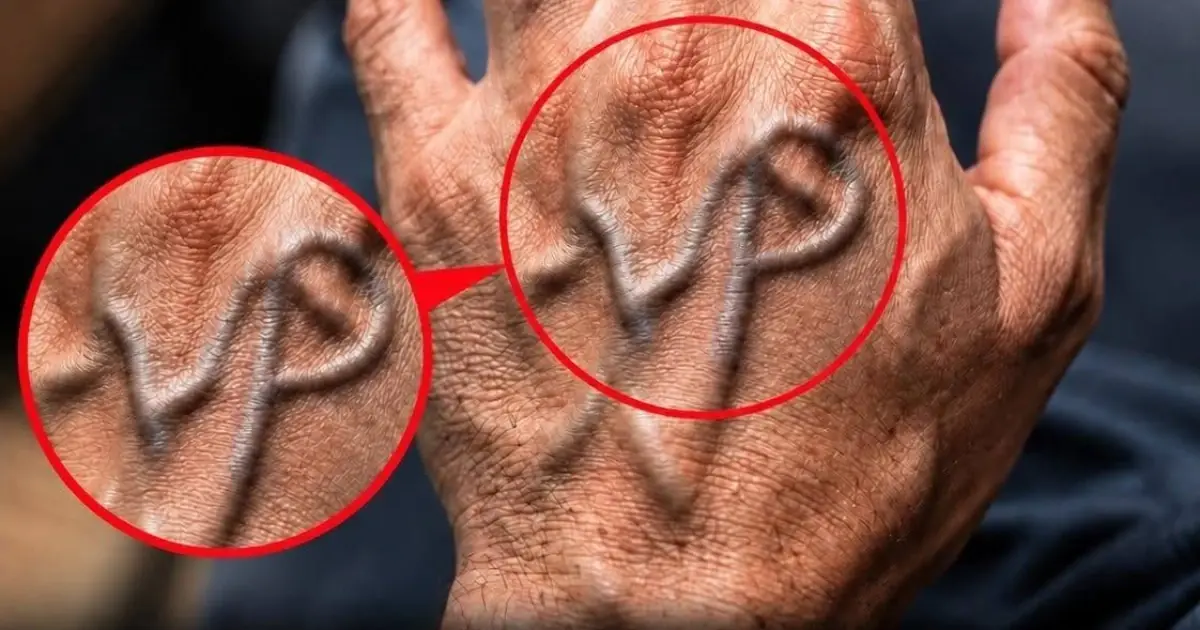
Have you ever looked at the back of your hand and noticed a vein standing out more clearly than before? Perhaps it appears blue, green, or slightly raised beneath the skin. You may have seen similar veins on athletes, bodybuilders, or older adults and wondered whether they reveal something about a person's physical condition.
The image accompanying this article makes a bold statement: if you can clearly see a particular vein on your hand, it means you are strong.
It is an appealing idea, especially because visible veins are often associated with muscular arms and people who exercise regularly. However, the human body is more complicated than a single visual sign.
A prominent vein does not automatically prove strength, fitness, or excellent health.
Veins are an essential part of the circulatory system. Their primary role is to return blood toward the heart. Some veins lie deep within muscles, while others are located close to the surface of the skin.
The superficial veins on the back of the hand are particularly easy to see because this area naturally has relatively little fat covering the blood vessels.
The appearance of these veins varies from person to person. Some people have clearly visible veins even when they are young and physically inactive. Others may exercise regularly and have strong muscles but still have veins that remain relatively hidden.
This difference is not necessarily a sign that one person is healthier than another.
Why some hands have more visible veins
Several factors influence how prominent the veins on a person's hand appear.
One of the most important is the thickness of the skin. When the skin is thinner, the blood vessels underneath become easier to see.
The amount of fat beneath the skin also matters. A person with less subcutaneous fat may have more noticeable veins because there is less tissue covering them.
Genetics can influence the natural structure of the veins, the distribution of body fat, and the thickness of the skin.
Age is another important factor. As people grow older, their skin gradually becomes thinner and loses some elasticity. The protective layer of fat beneath the skin may also become less substantial.
These changes can make the veins on the hands appear more pronounced, even when the person's overall health has not changed significantly.
According to medical information from Cleveland Clinic, exercise, lower body fat, and aging are among the common reasons superficial veins become more visible.
Cleveland Clinic+1
Does a visible vein mean you have strong muscles?
There can be a connection between prominent veins and physical training, but it is not a direct measurement of strength.
When someone exercises, blood flow to working muscles increases. The veins responsible for carrying blood away from those muscles may temporarily become wider and more noticeable.
Strength training can also increase muscle size over time. Larger muscles may make nearby superficial veins appear more prominent.
This is one reason bodybuilders often have highly visible veins during competitions.
However, the appearance of veins depends on several other factors, including body composition, skin characteristics, temperature, and genetics.
A person with visible veins may have strong muscles, but the veins themselves cannot tell you how much weight that person can lift or how physically capable they are.
A more reliable way to evaluate strength is to assess what the muscles can actually do.
For example, grip strength can be measured using a specialized device called a hand dynamometer. This provides a numerical measurement of how firmly a person can squeeze.
The visible pattern of veins on the hand cannot provide the same information.
The difference between appearance and health
It is important not to judge a person's health based on the appearance of their hands alone.
A person may have prominent veins and excellent circulation. Another person may have less visible veins and still be physically active and healthy.
The same hand can also look different at different times of the day.
After exercise, during warm weather, or when the hand is held below heart level, the veins may become more noticeable. After resting or cooling down, they may appear less prominent.
These changes are often normal.
The most useful question is not whether a vein can be seen clearly. It is whether the appearance has changed suddenly and whether other symptoms are present.
A stable pattern of visible veins on both hands is often simply part of a person's natural anatomy.
By contrast, a sudden change accompanied by swelling, pain, warmth, or unusual discoloration deserves closer attention.
The image's headline may encourage people to look at their hands as a sign of strength. A more accurate interpretation is that visible veins are a normal feature of human anatomy, influenced by several factors that have little to do with strength alone.
Chapter 2: Five Common Reasons the Veins on Your Hand Become More Noticeable
The veins on the back of the hand are part of a network that helps return blood from the fingers and hand toward the heart.
Because these veins sit relatively close to the skin, their appearance can change in response to everyday conditions.
A vein that looks prominent in the morning may appear less noticeable later. A person may also notice that their hands look different after exercise, during a hot afternoon, or as they grow older.
Understanding these changes can help prevent unnecessary worry.
1. Aging and changes in the skin
One of the most common reasons for increasingly visible hand veins is aging.
As the years pass, the skin gradually loses collagen and elasticity. The layer of fat beneath the skin may also become thinner.
These changes make the skin less effective at covering the structures underneath it.
The veins themselves do not necessarily need to become significantly larger for them to appear more prominent. Sometimes, the surrounding tissue simply becomes thinner.
This is why older adults may notice that the veins on their hands look more raised or pronounced than they did several decades earlier.
The same process can make tendons, joints, and other structures on the back of the hand easier to see.
Visible veins in an older person are therefore not automatically a sign of illness.
2. A naturally lean body
Body composition can influence the appearance of superficial veins.
People with relatively little fat beneath the skin may have more visible veins on their hands and arms.
This can occur in athletes, people with naturally slim builds, and individuals whose body composition has changed over time.
However, visible veins should not be treated as a reason to lose more weight.
Trying to make veins appear more prominent by following an extreme diet or reducing body fat excessively can be harmful.
A healthy body composition is more important than achieving a particular appearance.
3. Exercise and increased blood flow
Exercise is another common reason veins become more noticeable.
During physical activity, the body increases blood flow to working muscles. This helps deliver oxygen and nutrients needed for movement.
The veins may temporarily expand as they carry more blood.
Weightlifting, resistance training, and exercises involving the hands and forearms can make veins particularly noticeable.
After the workout ends and the body returns to its resting state, the veins often become less prominent.
This temporary change is generally normal.
4. Warm weather
Temperature can also influence the appearance of hand veins.
When the body becomes warm, blood vessels near the skin may widen to help release heat.