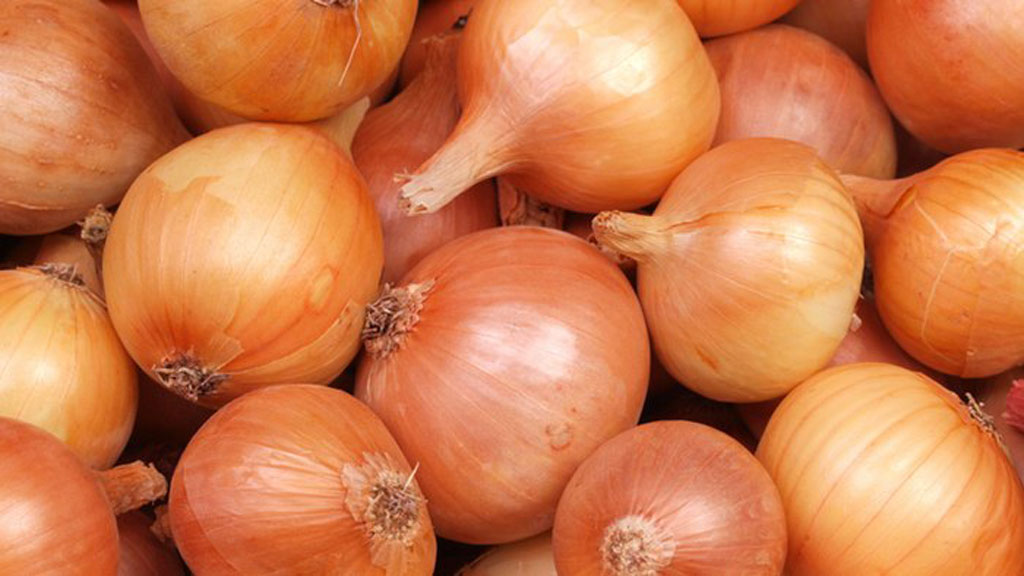
Onions are a staple in kitchens worldwide—cheap, versatile, and packed with compounds that can support health. Eaten regularly, they can offer cardiovascular, metabolic, and immune benefits. But like any food, amount and individual tolerance matter. Here’s what frequent onion consumption may do to your body—both the upsides and the caveats.
What’s in Onions That Matters?
Key components:
- Quercetin (a flavonoid antioxidant)
- Organosulfur compounds (give onions their smell and many bioactive effects)
- Fiber (including prebiotic fibers)
- Vitamins C and B6, plus trace minerals
1) Heart Health Support
Regular onion intake is associated with:
- Modest reductions in LDL cholesterol
- Support for healthy blood vessel function
- Mild anti-inflammatory effects
Mechanism (simplified)
- Antioxidants reduce oxidative stress
- Sulfur compounds can influence lipid metabolism and platelet activity
What to expect
- Benefits are gradual and cumulative, not immediate
2) Better Gut Health (Prebiotic Effect)
Onions contain prebiotic fibers that feed beneficial gut bacteria.
Effects
- Improved microbial balance
- Potential support for regular bowel habits
- Production of short-chain fatty acids (helpful for gut lining)
Caveat
- In some people (e.g., sensitive to FODMAPs), this can increase gas or bloating
3) Blood Sugar Regulation (Supportive)
Frequent consumption may:
- Improve insulin sensitivity
- Help moderate post-meal glucose spikes
How
- Bioactive compounds influence glucose metabolism and inflammation
Note: This is supportive, not a substitute for medical treatment in Type 2 Diabetes.
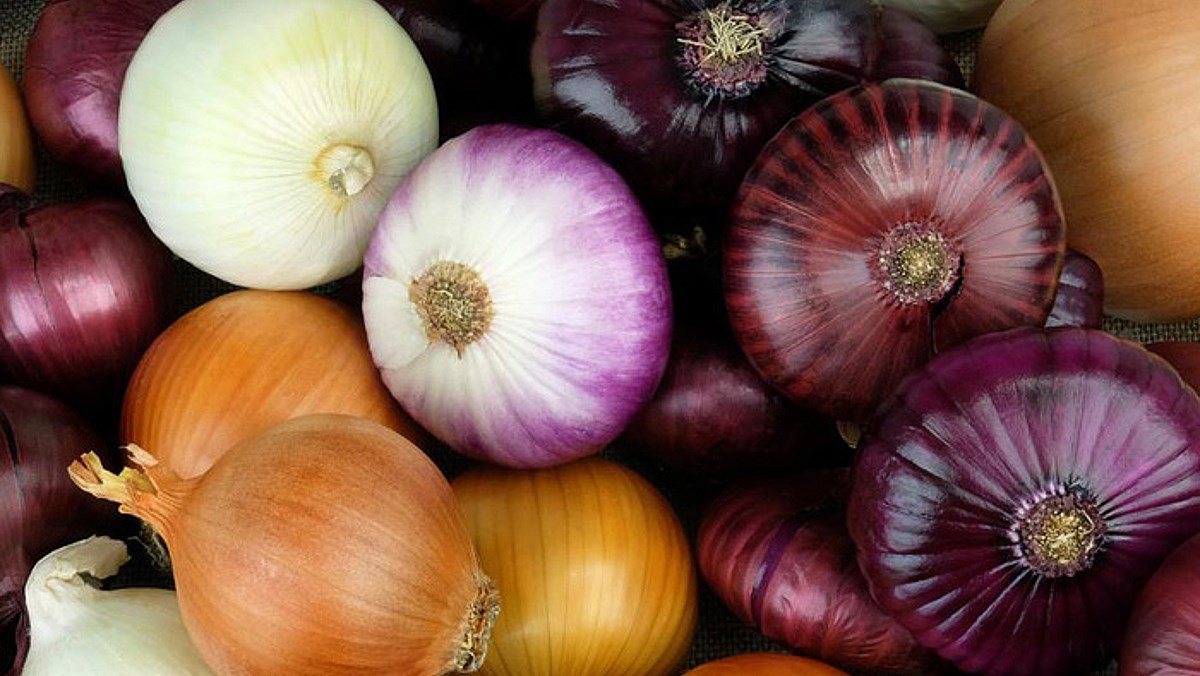
4) Immune and Antioxidant Effects
With vitamin C and polyphenols, onions can:
- Support immune defenses
- Reduce oxidative stress
- Contribute to overall resilience
5) Potential Anti-Inflammatory Action
Compounds in onions may:
- Downregulate certain inflammatory pathways
- Help with low-grade inflammation over time
This can be relevant for cardiometabolic health when part of a balanced diet.
6) Oral and Breath Effects
Frequent onion consumption can lead to:
- Strong breath odor (volatile sulfur compounds)
- Temporary taste/smell persistence
Tip
- Pair with parsley, mint, or brush teeth after meals
7) Digestive Discomfort (In Some People)
Common issues:
- Gas, bloating, cramping—especially with raw onions
- More likely in those with Irritable Bowel Syndrome or FODMAP sensitivity
What helps
- Cooking onions (can reduce intensity)
- Starting with small portions
8) Interaction With Medications (Rare but Notable)
Onions may have mild blood-thinning effects.
Considerations
- If you’re on anticoagulants or have bleeding disorders, keep intake consistent and discuss large dietary changes with a clinician
9) Skin and Eye Irritation (During Prep)
- Cutting onions releases compounds that can irritate eyes
- This is temporary and not harmful
Tip
- Chill onions or cut near running water to reduce tearing
How Much Is “Frequent”?
- Including onions daily in meals (e.g., ½–1 medium onion across dishes) is common and generally well-tolerated
- Problems are more likely with large raw portions or in sensitive individuals
Best Ways to Include Onions
- Cooked (sautéed, roasted, in soups/stews) → gentler on digestion
- Raw in small amounts (salads, salsas) → stronger flavor, more likely to cause symptoms in some
- Combine with protein and fats for balanced meals

Final Take
Eating onions frequently can support:
- Heart and metabolic health
- Gut microbiome balance
- Antioxidant defenses
But it may also lead to:
- Breath odor
- Digestive discomfort in sensitive individuals
The key is dose and tolerance. If your body handles them well, onions are a simple, effective way to upgrade everyday meals. If not, adjust the form (cooked vs. raw) and portion size.
Because with foods like onions, the goal isn’t to avoid them - it’s to use them in a way your body benefits from.