If You Drool While You Sleep… What Is Your Body Trying to Tell You? 😴💧

 4
4
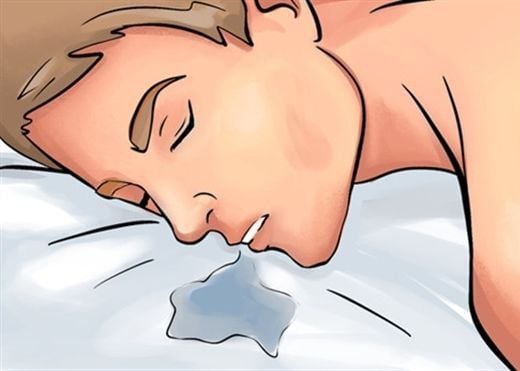
Let’s clear the air first—drooling during sleep is actually pretty common. It might feel embarrassing, but in most cases, it’s totally harmless.
But yeah… sometimes, it can be your body sending subtle signals.
So what’s really going on?
🧠 Is Drooling a “Brain Signal”?
Short answer: Not exactly.
Drooling happens when:
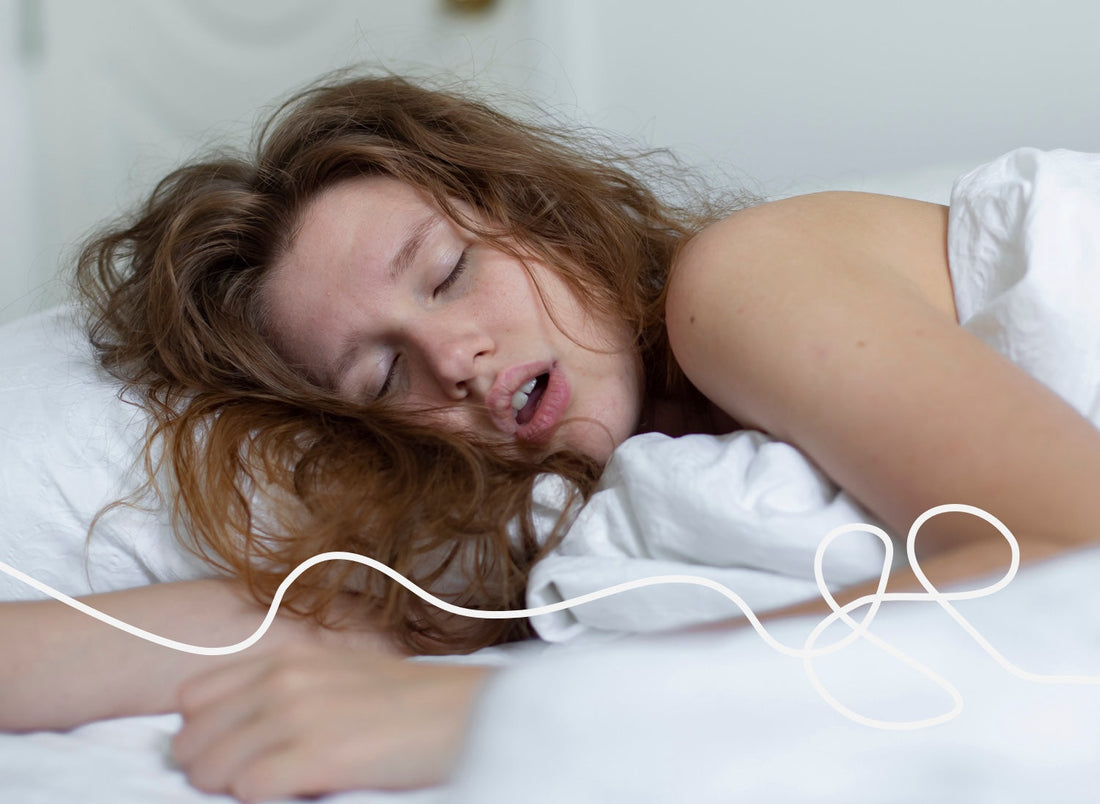
- Your mouth is open during sleep
- Your swallowing reflex slows down
- Saliva builds up and… leaks out
Key insight: It’s more about muscle relaxation and sleep position than your brain “malfunctioning.”
🔍 4 Common Reasons You Drool While Sleeping
1. Sleeping Position (The Biggest Factor)
If you sleep on your side or stomach, gravity does its thing.
👉 Saliva has nowhere to go → it flows out.
Simple truth: Back sleepers drool less. Side sleepers drool more.
2. Nasal Congestion 🤧
 4
4
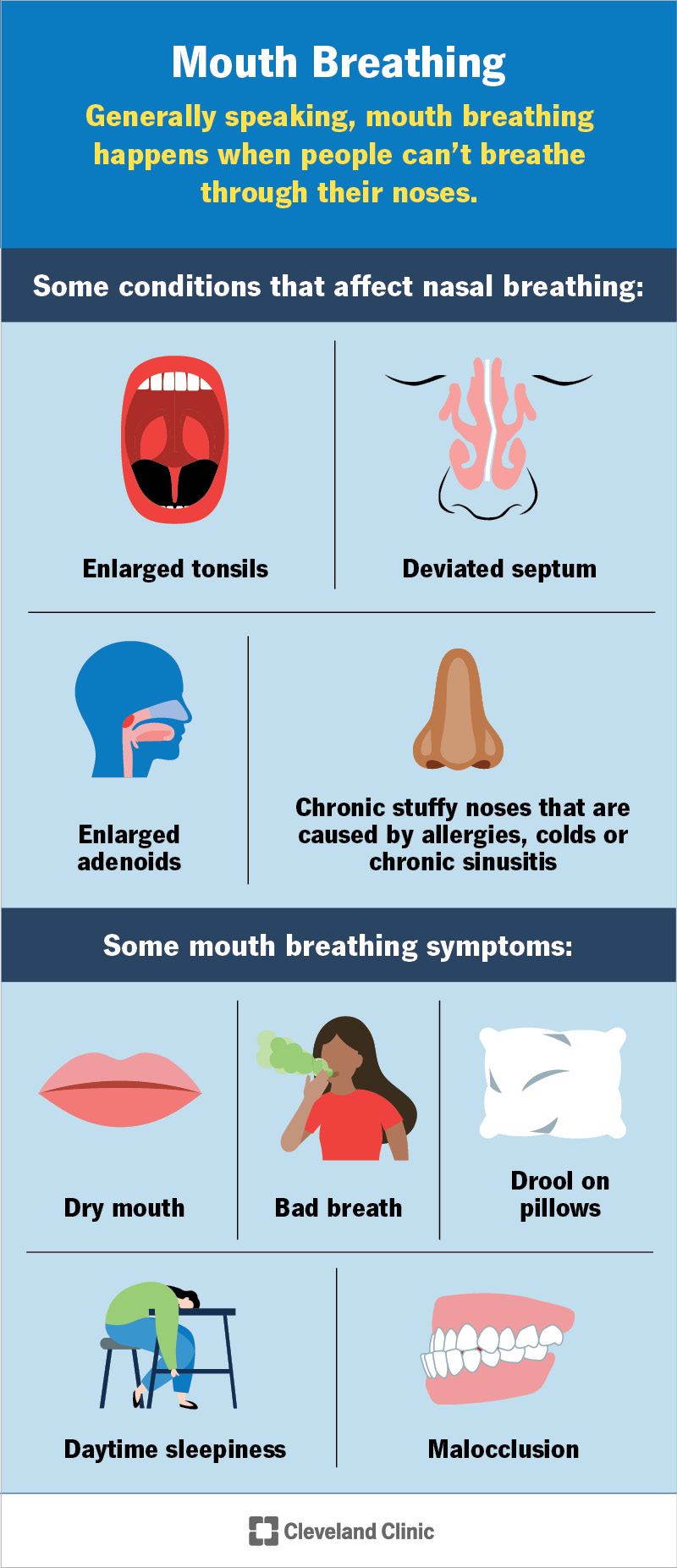
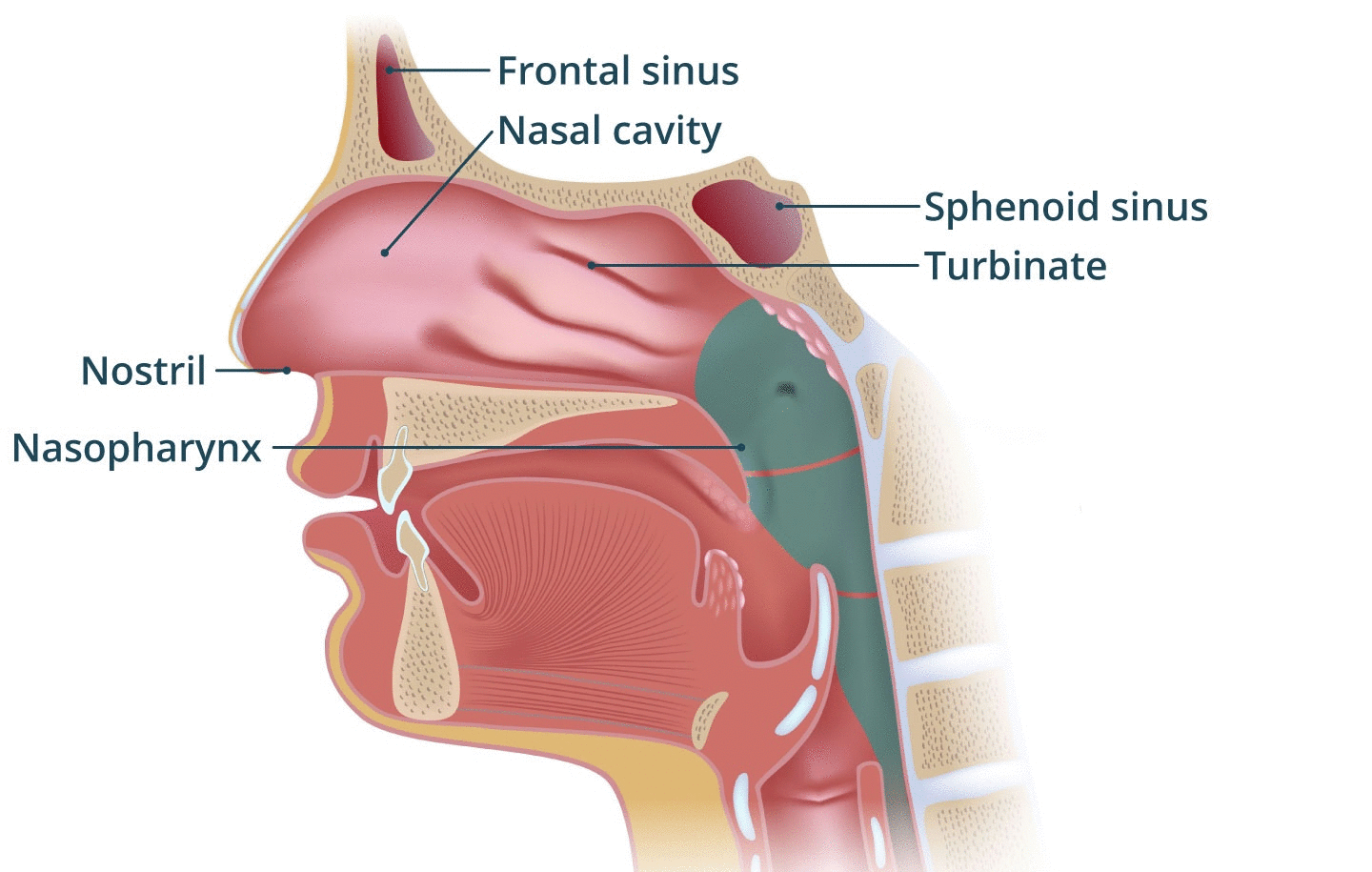
If your nose is blocked, your body switches to mouth breathing.
Result:
- Mouth stays open
- Saliva escapes easily
Common causes:
- Cold
- Allergies
- Sinus issues
3. Deep Sleep & Muscle Relaxation 😌
During deep sleep, your muscles—including those controlling swallowing—relax more than usual.
That means:
- Less frequent swallowing
- More saliva buildup
Not dangerous—just biology.
4. Possible Sleep Disorders ⚠️
 4
4
In some cases, excessive drooling may be linked to:
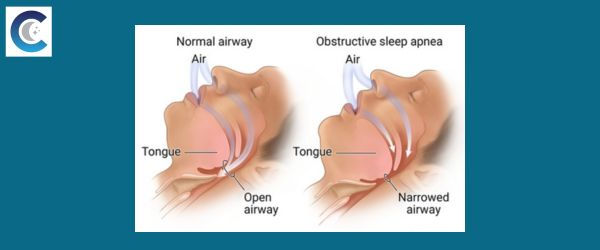
- Sleep apnea
- GERD (acid reflux)
- Neurological conditions (rare)
Red flags:
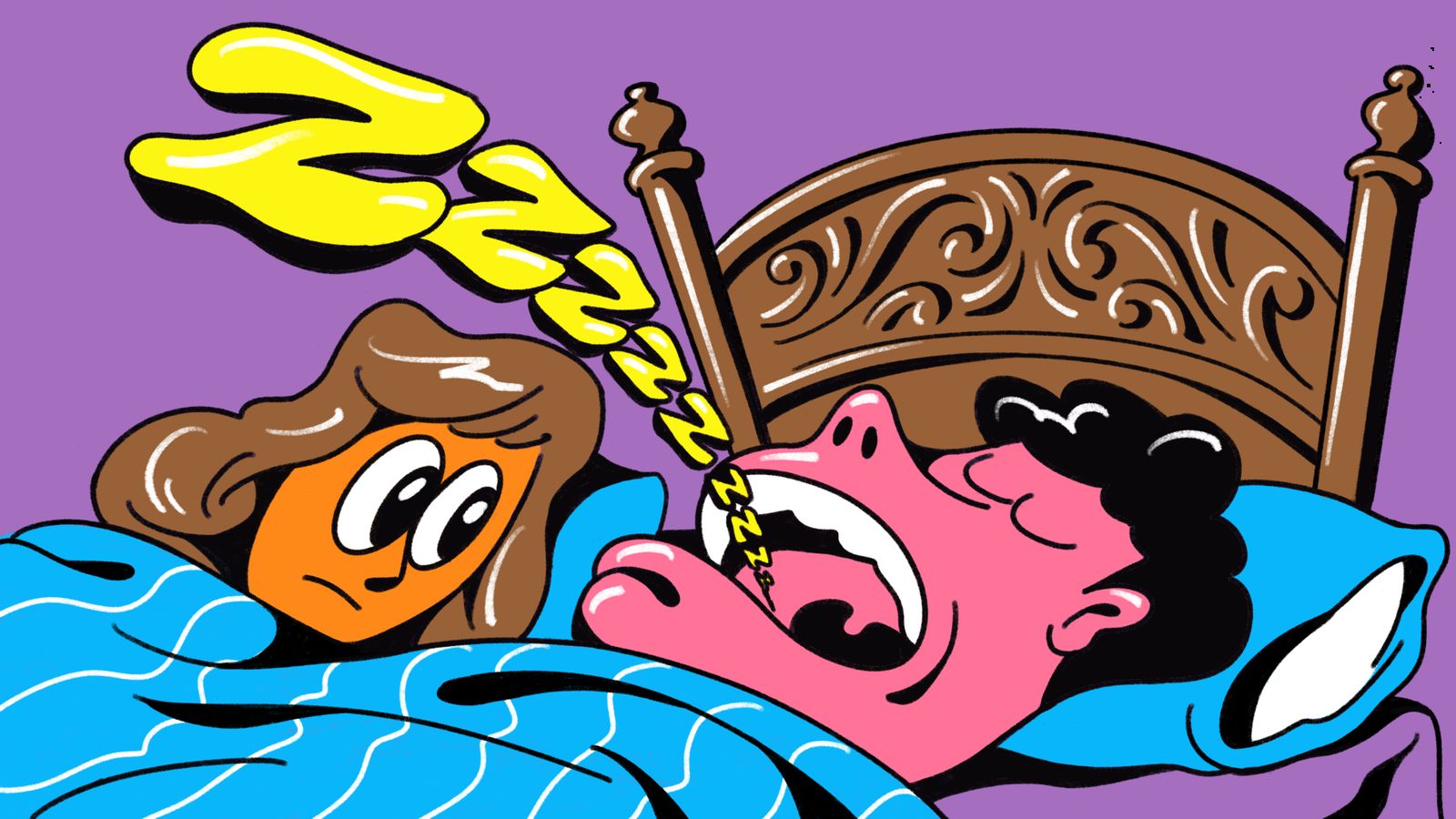
- Loud snoring
- Choking or gasping during sleep
- Extreme daytime fatigue
⚠️ When Should You Be Concerned?
Most of the time, no worries.
But consider checking it out if:
- Drooling is excessive or worsening
- You also snore heavily
- You wake up feeling tired every day
- You have trouble breathing at night
✅ How to Reduce Drooling (Simple Fixes)
- Try sleeping on your back
- Clear nasal congestion before bed
- Use a supportive pillow
- Stay hydrated
- Improve sleep posture
💬 Final Thought
Drooling while sleeping doesn’t mean something is wrong with your brain.
In most cases, it just means:
👉 You’re in deep sleep
👉 Your body is fully relaxed
And honestly… that’s not a bad thing 😄
But if it comes with other symptoms—don’t ignore it.