Waking up in the middle of the night or first thing in the morning with a dry, sticky mouth can be uncomfortable and frustrating. For some people, it happens only occasionally. For others, it becomes a frequent problem that affects sleep quality, comfort, and even oral health.
Dry mouth, medically known as xerostomia, occurs when the salivary glands do not produce enough saliva to keep the mouth adequately moist. Saliva plays an important role in digestion, speaking, swallowing, protecting teeth, and maintaining oral health. When saliva production decreases, symptoms such as thirst, bad breath, dry lips, and mouth discomfort may develop.
While occasional dry mouth is usually harmless, persistent symptoms may point to an underlying issue worth addressing. Here are eight common reasons why your mouth may feel dry while sleeping.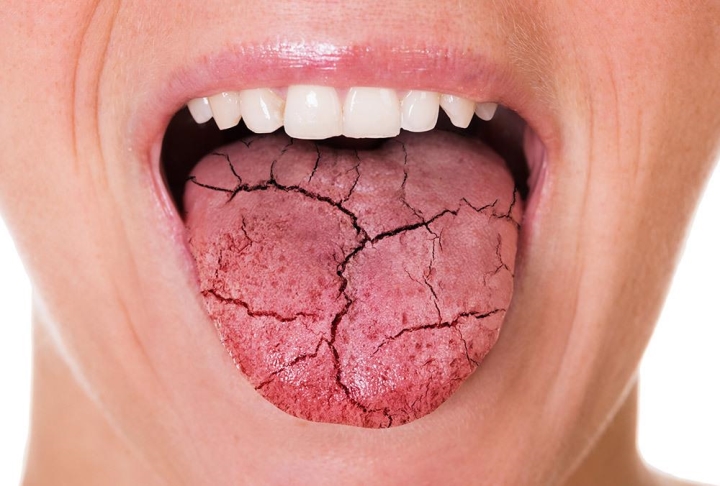
Why Saliva Matters
Before exploring the causes, it is important to understand why saliva is so essential.
Saliva Helps
-
Keep the mouth moist
-
Wash away food particles
-
Protect teeth from decay
-
Support digestion
-
Make swallowing easier
-
Reduce bacterial growth
When saliva production decreases, the mouth becomes more vulnerable to irritation and dental problems.
Cause #1: Mouth Breathing During Sleep
One of the most common causes of nighttime dry mouth is breathing through the mouth instead of the nose.
Why It Happens
When air continuously passes through the mouth during sleep, moisture evaporates more quickly.
Common Reasons for Mouth Breathing Include
-
Nasal congestion
-
Allergies
-
Deviated nasal septum
-
Chronic sinus issues
Signs You May Be Mouth Breathing
-
Dry mouth upon waking
-
Sore throat in the morning
-
Snoring
-
Chapped lips
Addressing nasal obstruction may help improve symptoms.
Cause #2: Dehydration
The body needs adequate fluid intake to produce saliva.
When You Are Dehydrated
Saliva production may decrease.
Possible Causes of Dehydration
-
Not drinking enough water
-
Excessive sweating
-
Hot weather
-
Illness
-
Intense exercise
Helpful Tip
Maintaining good hydration throughout the day may help reduce nighttime dryness.
Cause #3: Certain Medications
Many commonly prescribed medications can contribute to dry mouth.
Examples Include
-
Antihistamines
-
Antidepressants
-
Blood pressure medications
-
Decongestants
-
Some pain medications
Why This Happens
Certain medications affect nerve signals that regulate saliva production.
If symptoms begin after starting a new medication, discuss concerns with a healthcare provider.
Cause #4: Snoring and Sleep Apnea
People who snore frequently often experience dry mouth.
Obstructive Sleep Apnea May Also Contribute
Sleep apnea causes repeated interruptions in breathing during sleep.
Common Symptoms Include
-
Loud snoring
-
Morning headaches
-
Daytime fatigue
-
Dry mouth upon waking
Because sleep apnea can affect overall health, persistent symptoms deserve medical attention.
Cause #5: Aging
Dry mouth becomes more common with age.
Why?
Several factors may contribute:
-
Medication use
-
Health conditions
-
Changes in salivary gland function
It is important to note that aging itself does not automatically cause dry mouth, but related factors often increase risk.
Cause #6: Dry Indoor Air
Environmental conditions can significantly affect moisture levels.
Common Contributors Include
-
Air conditioning
-
Heating systems
-
Low humidity
-
Winter weather
What Happens?
Dry air can increase evaporation from the mouth and nasal passages during sleep.
Helpful Solution
Some individuals find that using a humidifier helps improve comfort.
Cause #7: Certain Medical Conditions
Several health conditions may affect saliva production.
Examples Include
Diabetes
High blood sugar levels may contribute to feelings of dryness.
Sjögren's Syndrome
An autoimmune condition that often affects moisture-producing glands.
Neurological Conditions
Certain neurological disorders may influence salivary gland function.
Other Chronic Illnesses
Various medical conditions may also contribute.
Persistent symptoms should be discussed with a healthcare professional.
Cause #8: Alcohol, Caffeine, and Tobacco Use
Certain lifestyle habits may increase the likelihood of dry mouth.
Alcohol
Alcohol can contribute to dehydration.
Caffeine
Large amounts of caffeine may affect hydration status in some individuals.
Tobacco
Smoking and tobacco use can reduce saliva production and irritate oral tissues.
Potential Effects Include
-
Dry mouth
-
Bad breath
-
Gum problems
Reducing or eliminating tobacco use offers multiple health benefits.
Common Symptoms Associated With Dry Mouth
Dry mouth often involves more than just thirst.
Additional Symptoms May Include
-
Sticky feeling in the mouth
-
Difficulty swallowing
-
Cracked lips
-
Dry throat
-
Bad breath
-
Hoarseness
-
Altered taste
The severity varies from person to person.
How Dry Mouth Can Affect Oral Health
Saliva serves as one of the mouth's natural defense systems.
Without Adequate Saliva
The risk of certain oral health problems may increase.
Potential Issues Include
-
Tooth decay
-
Gum disease
-
Mouth infections
-
Difficulty chewing
-
Difficulty speaking
This is why persistent dry mouth should not be ignored.
Simple Ways to Reduce Nighttime Dry Mouth
Fortunately, several strategies may help.
Stay Hydrated
Drink sufficient water throughout the day.
However
Avoid excessive fluid intake immediately before bed if it disrupts sleep.
Improve Nasal Breathing
Managing nasal congestion may help reduce mouth breathing.
Examples Include
-
Saline nasal sprays
-
Allergy management
-
Medical evaluation when necessary
Use a Humidifier
Adding moisture to bedroom air may improve comfort.
Limit Alcohol Before Bed
Alcohol may contribute to dehydration and worsen symptoms.
Reduce Tobacco Use
Avoiding tobacco supports both oral and overall health.
Maintain Good Oral Hygiene
Healthy gums and teeth are important when saliva production is reduced.
Helpful Practices Include
-
Regular brushing
-
Flossing
-
Dental checkups
When Should You See a Doctor?
Occasional dry mouth is common.
However, medical evaluation may be appropriate if symptoms:
Persist For Weeks
Or are accompanied by:
-
Difficulty swallowing
-
Severe thirst
-
Significant fatigue
-
Frequent infections
-
Dental problems
A healthcare professional can help identify underlying causes.
Common Myths About Dry Mouth
Myth 1: Dry Mouth Is Always Caused by Dehydration
Many other factors can contribute.
Myth 2: It's Just a Normal Part of Aging
While more common in older adults, it is not inevitable.
Myth 3: Dry Mouth Is Only a Minor Problem
Persistent symptoms may affect oral health and quality of life.
Myth 4: Drinking More Water Always Solves It
The solution depends on the underlying cause.
The Bigger Picture
Nighttime dry mouth is often a symptom rather than a condition itself.
Identifying the Cause Is Important
Whether it involves:
-
Mouth breathing
-
Medication side effects
-
Sleep apnea
-
Dehydration
-
Medical conditions
Understanding the source helps guide effective management.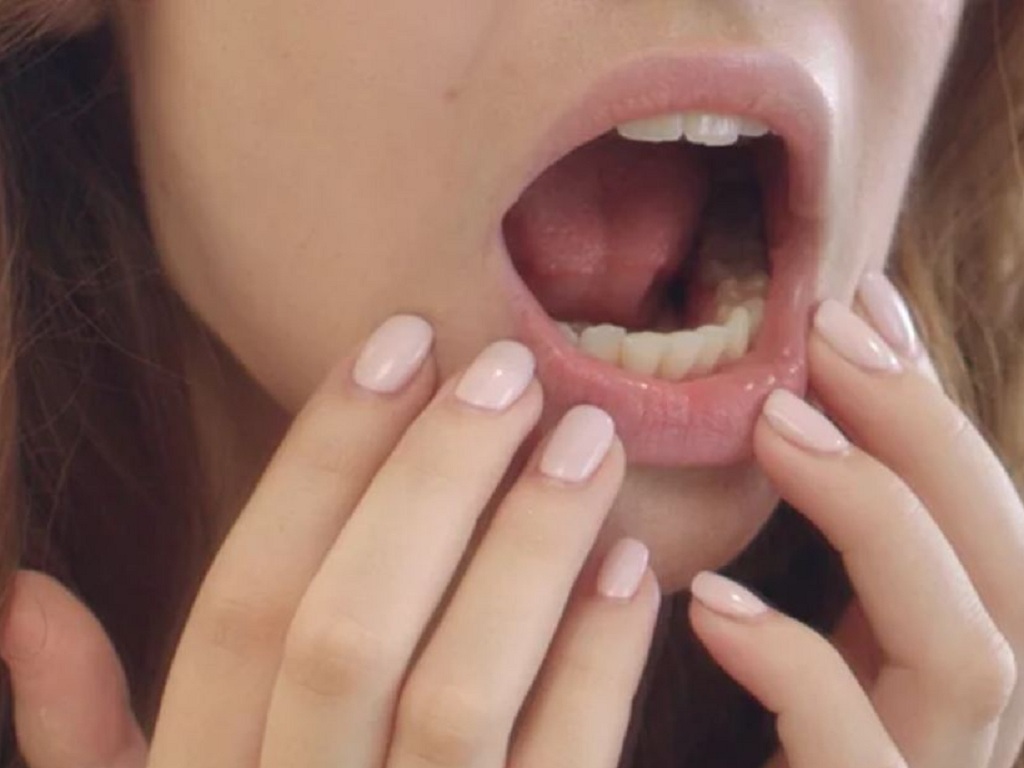
Final Thoughts
Waking up with a dry mouth can be uncomfortable, but it is also surprisingly common. Mouth breathing, dehydration, medications, snoring, sleep apnea, dry air, certain medical conditions, and lifestyle factors are among the most frequent causes. While occasional dryness is usually harmless, persistent symptoms deserve attention because they may affect oral health and overall well-being.
If dry mouth regularly disrupts your sleep or daily comfort, consider discussing it with a healthcare professional. Often, identifying and addressing the underlying cause can significantly improve both sleep quality and long-term health.