A balanced eating pattern and regular physical activity can support overall health while helping maintain muscle strength.
Stay Physically Active
Regular movement helps maintain muscle strength and joint mobility.
Activities such as walking, swimming, cycling, and appropriate strengthening exercises may support hip function.
The key is consistency.
Suddenly increasing exercise intensity after a long period of inactivity can place excessive stress on muscles and tendons.
A gradual approach allows the body to adapt.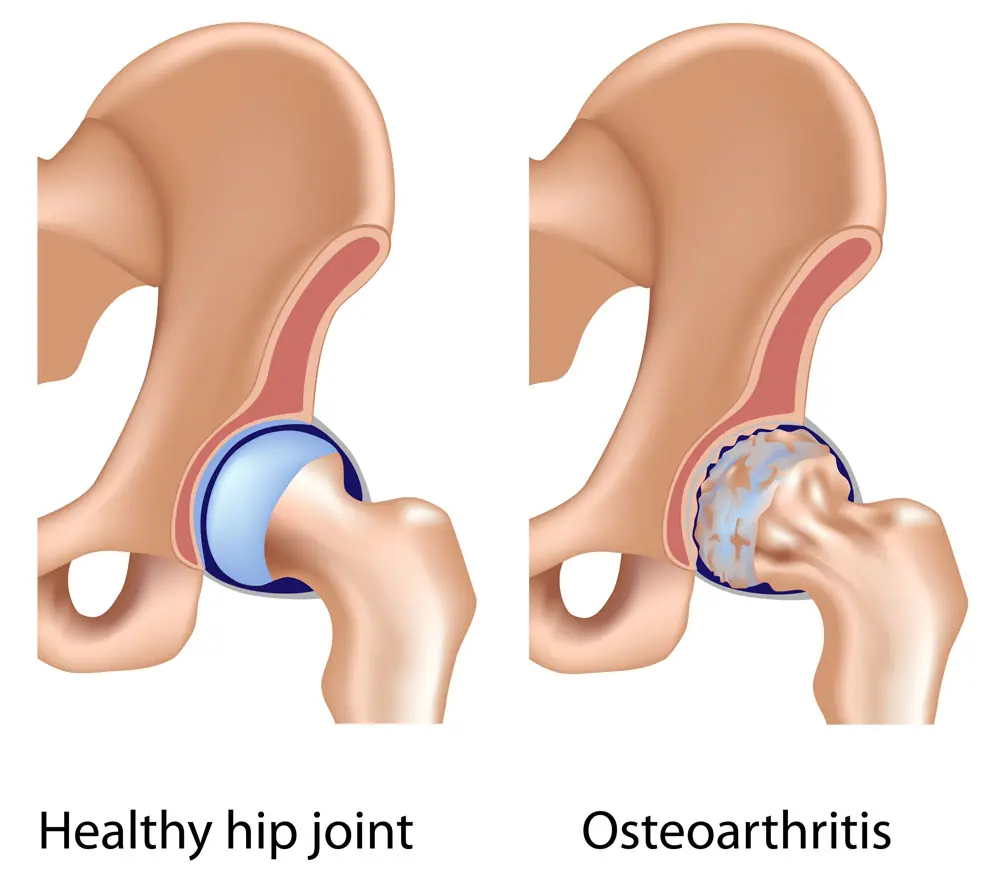
Avoid Repeated Overloading
If an activity repeatedly causes hip pain, consider whether the intensity, duration, or technique needs to change.
For example, someone who begins walking several miles every day after months of inactivity may benefit from starting with shorter distances.
The same principle applies to gardening, lifting heavy objects, and sports.
Increasing activity gradually can reduce the likelihood of overuse injuries.
Protect Your Bones
Bone health becomes particularly important as people age.
Adequate nutrition, appropriate physical activity, and medical evaluation when osteoporosis is suspected can help support bone strength.
People with osteoporosis may need specific strategies to reduce fall risk.
A healthcare professional can assess whether bone-density testing or other preventive measures are appropriate.
Make the Home Safer
Falls are a major concern for older adults, especially those with weakened bones or balance problems.
Simple changes may reduce risk.
Keep walkways clear of loose objects.
Use appropriate lighting, particularly near stairs and hallways.
Secure loose rugs and avoid standing on unstable furniture to reach high shelves.
If walking becomes difficult, a properly fitted cane or walker may provide additional support.
What Happens When Hip Pain Does Not Improve?
When pain continues despite reasonable self-care, the next step is to identify the underlying problem.
Treatment varies considerably depending on the diagnosis.
A muscle strain may improve with activity modification and rehabilitation.
Osteoarthritis may require a longer-term plan involving exercise, medication, and sometimes specialist treatment.
A fracture or joint infection requires a different approach entirely.
This is why it is important not to rely on a single treatment for every type of hip pain.
Physical Therapy
Physical therapy can help people improve movement, strength, and confidence.
A therapist may assess how the person walks and whether certain muscles are weak or overworked.
The treatment program can include strengthening, mobility exercises, balance training, and education about modifying activities.
For some people, learning how to move differently can reduce the stress placed on irritated tissues.
Medication
Depending on the cause, a healthcare professional may recommend pain-relief medication or anti-inflammatory treatment.
Medication may help make movement more comfortable, but it does not necessarily correct the underlying problem.
It is important to use medication as part of an overall treatment plan rather than relying on it indefinitely without reassessment.
Injections
In certain situations, a specialist may consider an injection to help reduce pain or inflammation.
The potential benefits and risks depend on the diagnosis and the type of injection.
Injections are not appropriate for every hip condition, and repeated treatment may not be the best long-term solution.
A specialist can explain whether an injection is likely to help and what other options are available.
Hip Replacement Surgery
Some people with advanced hip osteoarthritis eventually consider hip replacement surgery.
During the procedure, damaged parts of the joint are replaced with artificial components.
The decision is generally based on several factors, including the severity of pain, limitations in daily activities, examination findings, and the response to other treatments.
Hip replacement is not simply recommended because someone has reached a particular age.
Many people continue to manage their symptoms without surgery.
For others, persistent pain and significant loss of mobility may make surgery an appropriate option to discuss with an orthopedic specialist.
Recovery involves rehabilitation and gradual improvement in strength and movement.
The expected outcome depends on the person's health, the reason for surgery, and other individual factors.
Why Ignoring Hip Pain Can Affect the Rest of Your Body
When a hip hurts, the body naturally tries to protect it.
You may begin taking shorter steps, leaning to one side, or placing more weight on the opposite leg.
At first, these changes may help you avoid discomfort.
But over time, altered movement can affect other areas.
The opposite hip may carry additional load.
The lower back may become strained.
The knee may experience different forces during walking.
Muscles that are used less often may become weaker, while other muscles work harder to compensate.
This does not mean every case of hip pain will cause problems elsewhere.
However, persistent pain that changes the way you move is a good reason to seek assessment.
The aim of treatment is not only to reduce discomfort but also to help restore safe, efficient movement.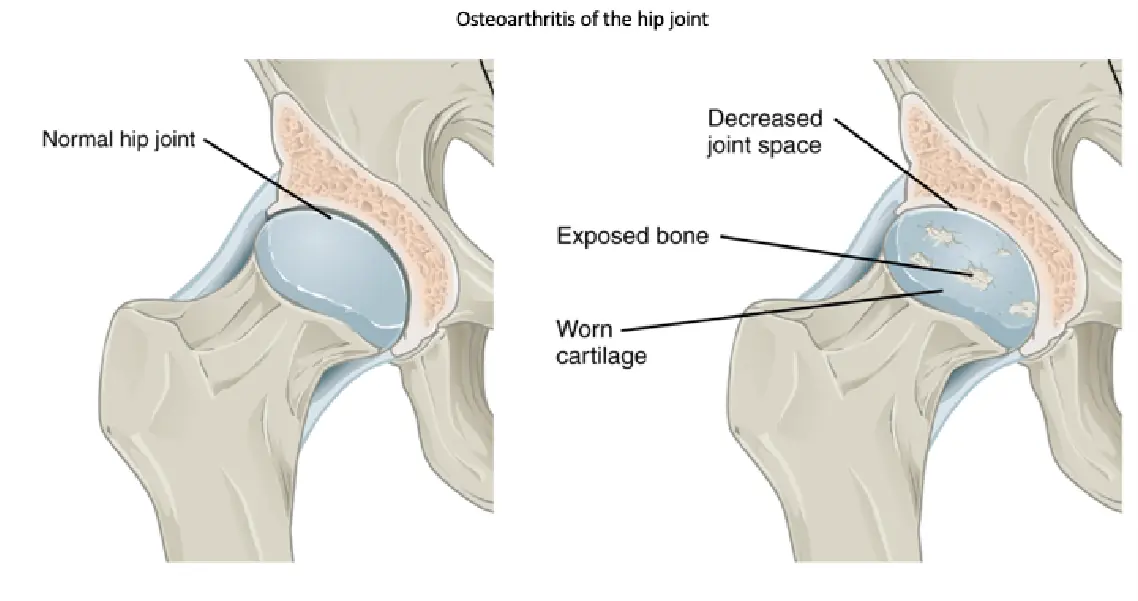
The Emotional Side of Living With Hip Pain
Hip pain can affect more than physical movement.
When walking becomes difficult, people may begin avoiding activities they once enjoyed.
A person who used to take a daily walk with friends may start staying home.
Someone who enjoyed gardening may find it increasingly difficult to kneel, bend, or stand for long periods.
Over time, these changes can affect independence and confidence.
Some people become anxious about falling.
Others feel frustrated because ordinary tasks require more effort than before.
It is important to recognize these effects.
Pain that limits daily life deserves attention, even when it does not appear dramatic.
Seeking help is not a sign of weakness.
It is a practical step toward maintaining mobility and quality of life.
A healthcare professional may be able to suggest adjustments, exercises, or support devices that make everyday activities easier.
Friends and family can also help by understanding that a person with hip pain may need more time or assistance with certain tasks.
The goal is to preserve independence wherever possible while avoiding unnecessary strain.
The Most Important Message: Do Not Ignore What Your Hip Is Telling You
Hip pain can have many different meanings.
It may be the result of a temporary muscle strain, an irritated tendon, or a condition that develops gradually over many years.
For some people, the discomfort is related to osteoarthritis. For others, it may come from the lower back, a nerve, or an injury that requires medical attention.
The most useful clues are often the location of the pain, when it appears, how long it lasts, and whether it changes the way you move.
Pain in the groin may suggest a problem inside the hip joint. Pain on the outside of the hip may involve tendons or bursae. Discomfort that travels down the leg may be related to the nerves or lower back.
But these patterns are only clues. They cannot replace a medical examination.
If your hip pain is mild and improves with rest, gentle movement, and appropriate self-care, you may be able to manage it while monitoring your symptoms.
If the pain keeps returning, becomes more severe, interferes with sleep, or makes ordinary activities difficult, arrange an appointment with a healthcare professional.
And if you suddenly develop severe pain, cannot put weight on your leg, or have a hot and swollen hip accompanied by fever, seek urgent medical attention.
Your hip is not just another joint. It is one of the foundations of your ability to move independently.
Taking care of it means paying attention to changes, staying active in a way your body can tolerate, and seeking help when symptoms persist.
You do not need to wait until walking becomes difficult before taking hip pain seriously.
Sometimes, the most important step toward protecting your mobility is simply recognizing that a small, recurring ache deserves a closer look.