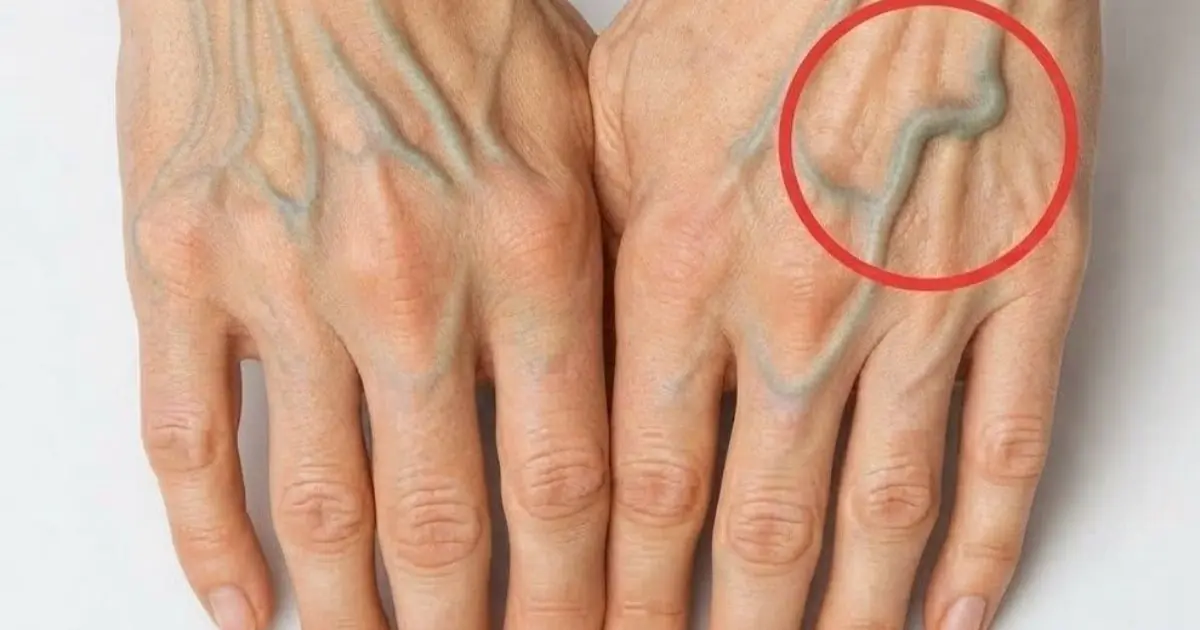
Painful red bumps on the skin may signal several common conditions.


6
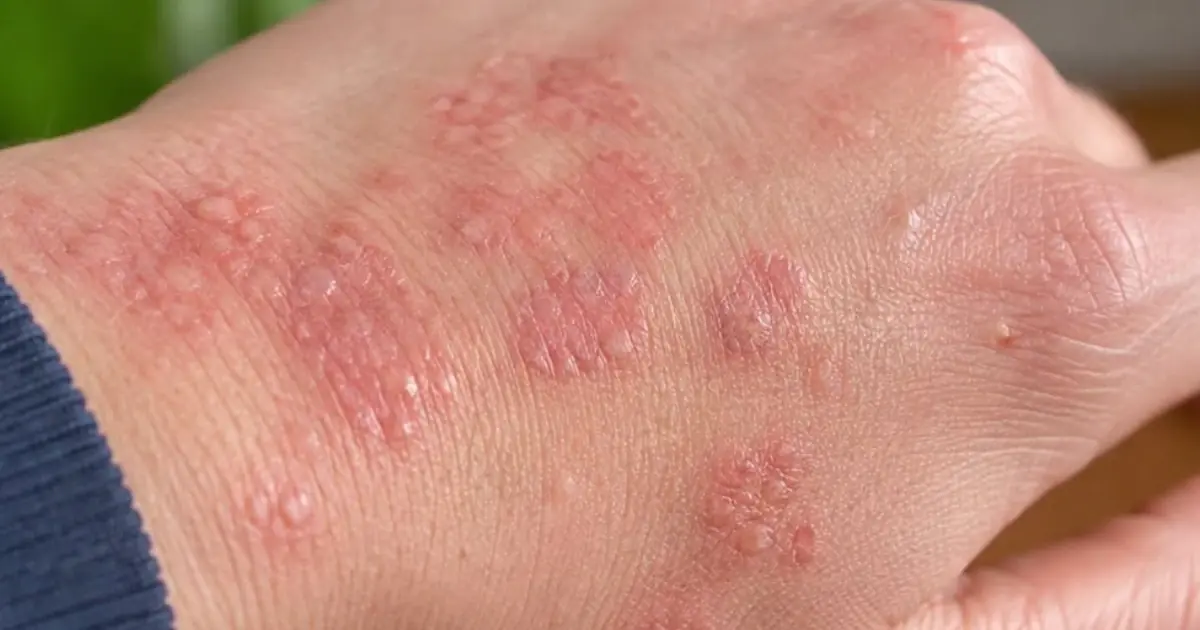
Small, painful red bumps appearing on the hands can be alarming, especially when they seem to develop suddenly. While many skin conditions are harmless and temporary, some symptoms deserve closer attention. Dermatologists say that understanding the possible causes of these bumps can help people decide when simple home care is enough and when professional medical advice may be necessary.
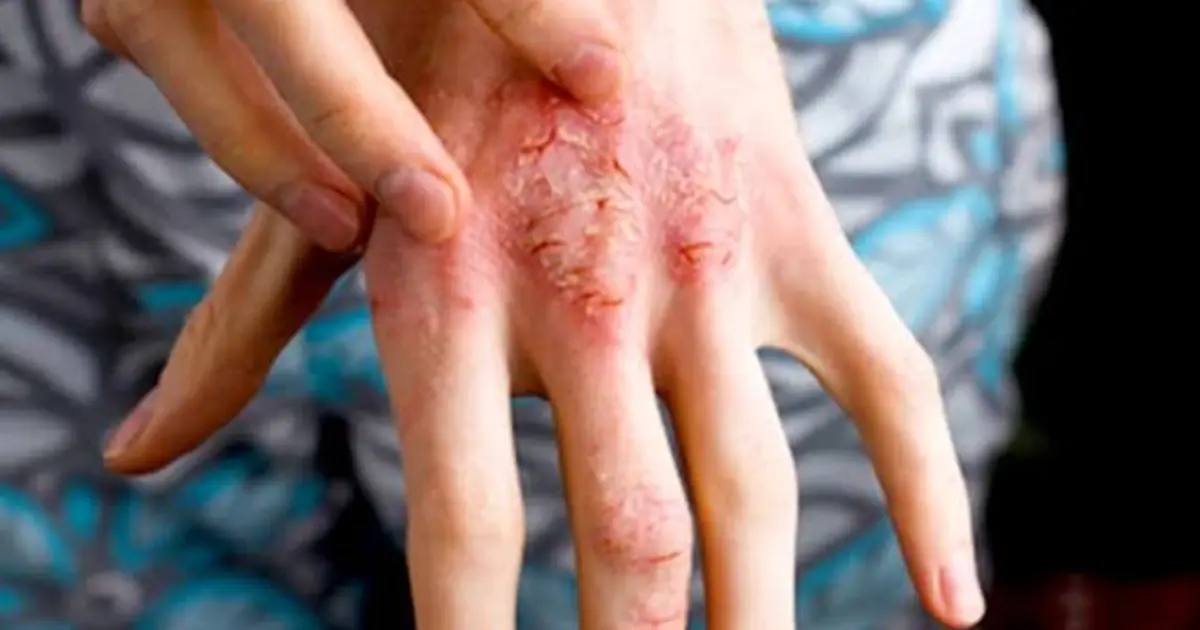
One of the most common causes of painful red bumps on the hands is dyshidrotic eczema, a skin condition that often produces tiny, itchy blisters on the palms and sides of the fingers. These bumps may initially appear red and irritated before developing into fluid-filled blisters. Stress, allergies, sweating, and exposure to certain metals can sometimes trigger flare-ups.
Another possibility is contact dermatitis, which occurs when the skin reacts to an irritating substance or allergen. Household cleaning products, soaps, cosmetics, and even some types of jewelry may trigger redness, swelling, and small painful bumps. In many cases, symptoms improve once the irritating substance is identified and avoided.
Viral infections can also lead to skin changes. Certain viruses may cause rashes or blister-like bumps on the hands, often accompanied by fever, fatigue, or other symptoms. In children, hand, foot, and mouth disease is a well-known example, although adults can occasionally develop similar symptoms.


5
Skin infections are another consideration. Bacteria can enter through tiny cuts or cracks in the skin, leading to localized inflammation, tenderness, and swelling. These infections may become increasingly painful and can sometimes produce warmth, pus, or spreading redness. Medical treatment may be needed if an infection is suspected.
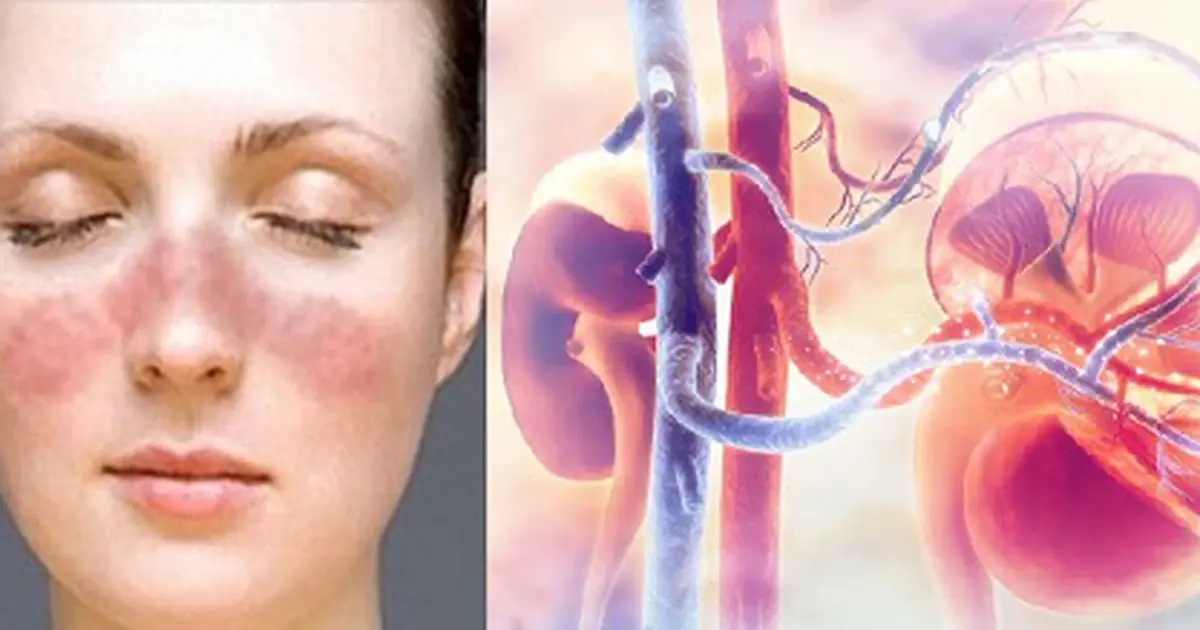
In some cases, painful bumps on the hands may be linked to autoimmune or inflammatory conditions. Disorders that affect the immune system can occasionally cause skin symptoms that resemble blisters, nodules, or rashes. Although these conditions are less common, persistent or recurring symptoms should not be ignored.
Heat and excessive sweating can also contribute to skin irritation. Individuals who wear gloves for long periods or frequently expose their hands to moisture may experience blocked sweat glands and small irritated bumps. Keeping the skin clean and dry often helps reduce discomfort.
Doctors emphasize that symptoms accompanying the bumps can provide important clues. Itching, burning, fever, swelling, joint pain, or symptoms appearing elsewhere on the body may help healthcare professionals determine the underlying cause. Taking note of when the bumps first appeared and whether they worsen after exposure to specific products can also be useful.
For mild cases, simple self-care measures may offer relief. Gentle moisturizers, avoiding harsh chemicals, protecting the hands with gloves when appropriate, and using fragrance-free skin products can help calm irritated skin. Cold compresses may also reduce discomfort and inflammation.


7
However, certain warning signs warrant prompt medical evaluation. These include severe pain, rapidly spreading redness, signs of infection, fever, difficulty moving the fingers, or symptoms that do not improve after several weeks. A healthcare provider may recommend testing, prescription treatments, or referral to a dermatologist if necessary.
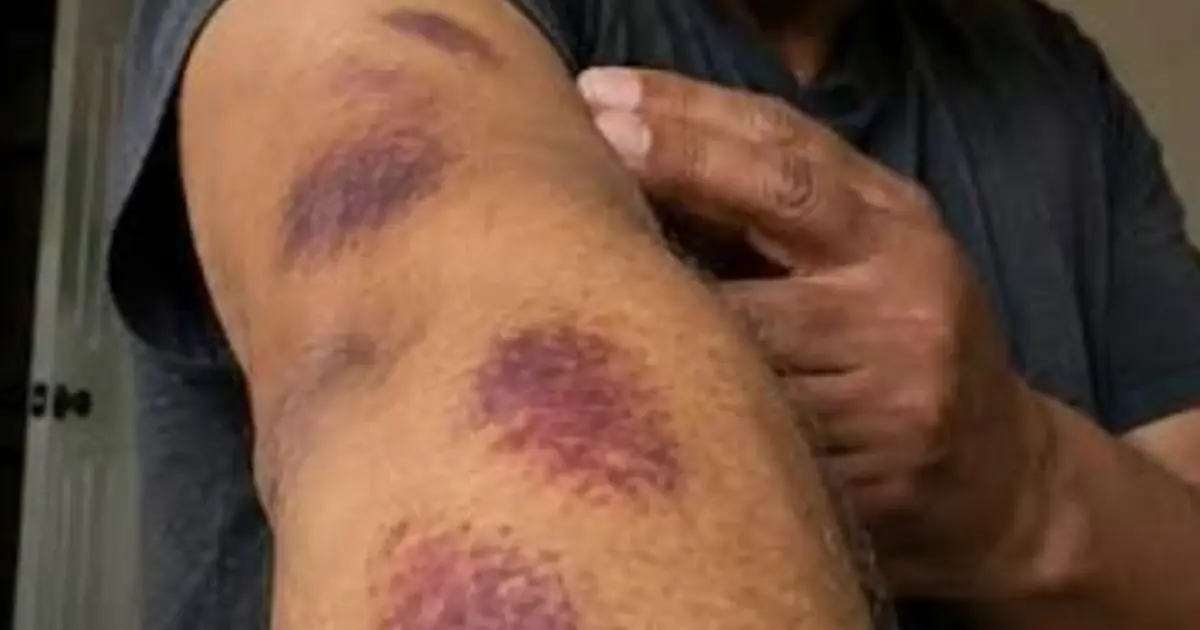
It is important to remember that a photograph alone cannot provide a definitive diagnosis. Many skin conditions can look remarkably similar despite having different causes and treatments. What appears to be a simple rash could represent eczema, an allergic reaction, an infection, or another medical condition entirely.
The good news is that most causes of painful red bumps on the hands are treatable. Early attention to symptoms and proper skin care can often prevent complications and improve comfort. If unusual skin changes persist or become more severe, seeking professional medical advice remains the safest approach.
Rather than assuming the worst, experts encourage people to view skin symptoms as valuable signals from the body. Paying attention to these signs can help identify underlying issues and support better overall health.