Not Every Lump Is Cancer—But These 4 Warning Signs Should Never Be Ignored
Discovering a lump anywhere on your body can be frightening. For many people, the first thought is cancer. Fortunately, the reality is much more reassuring: most lumps are not cancerous. They can be caused by harmless conditions such as cysts, swollen lymph nodes, lipomas (fatty growths), or infections.
However, while many lumps are benign, some can be a sign of a more serious condition. The key is knowing when a lump deserves prompt medical attention. Paying attention to certain warning signs can help ensure that any concerning changes are evaluated early.
Here are four warning signs you should never ignore.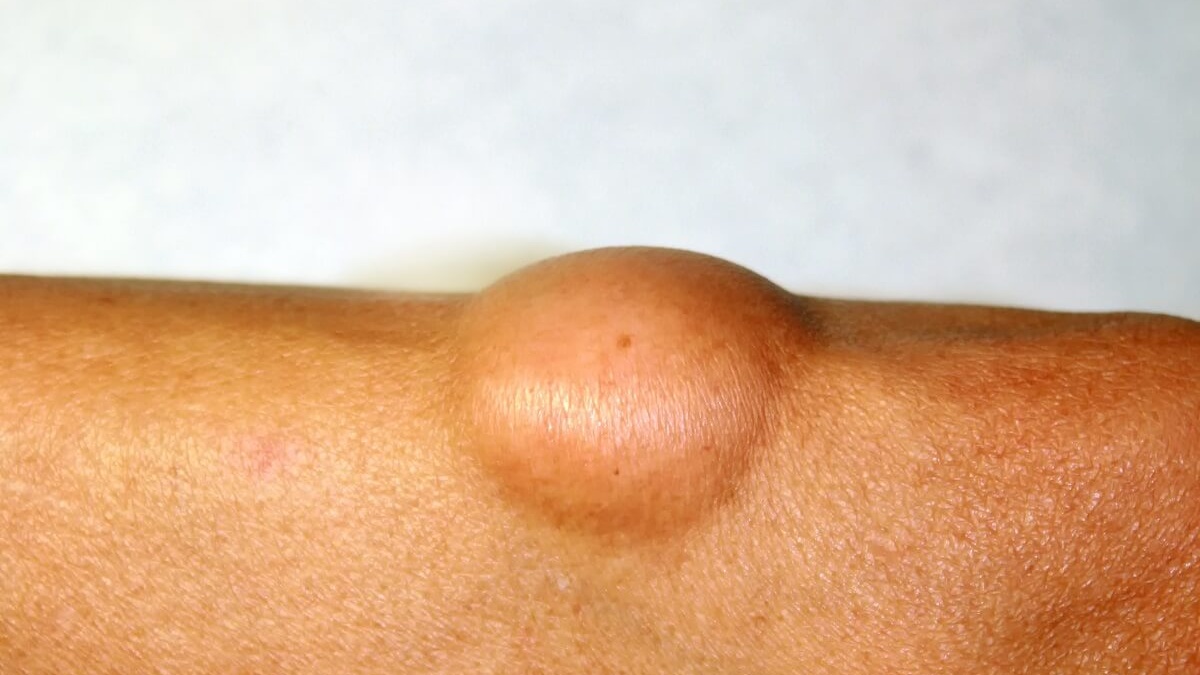
1. The Lump Continues to Grow
One of the most important things to watch for is size.
A lump that remains the same size for months or even shrinks is often less concerning than one that continues to enlarge over time. A growing lump doesn't automatically mean cancer, but it does mean your healthcare provider should evaluate it.
Take note if you notice:
- The lump becomes noticeably larger over a few weeks or months.
- Clothing or jewelry starts fitting differently because of the swelling.
- The lump changes shape or becomes more prominent.
Keeping track of changes by taking photos or gently measuring the lump can be helpful when discussing it with your doctor.
2. It's Hard, Doesn't Move, or Feels Firmly Attached
Many harmless lumps feel soft and can move slightly beneath the skin when you press on them.
A lump may deserve closer evaluation if it is:
- Very hard or rock-like.
- Firmly fixed to the surrounding tissue.
- Difficult or impossible to move with gentle pressure.
These characteristics do not necessarily indicate cancer, but healthcare professionals often consider them important enough to investigate further.
3. The Skin Around the Lump Changes
Sometimes it's not just the lump itself that matters—it's the skin covering it.
Watch for changes such as:
- Persistent redness.
- Thickening of the skin.
- Dimpling or puckering.
- An open sore that doesn't heal.
- Unexplained warmth or swelling.
These symptoms may result from infection, inflammation, or other medical conditions, but they should never be ignored—especially if they continue for more than a few days.
4. The Lump Is Accompanied by Other Unexplained Symptoms
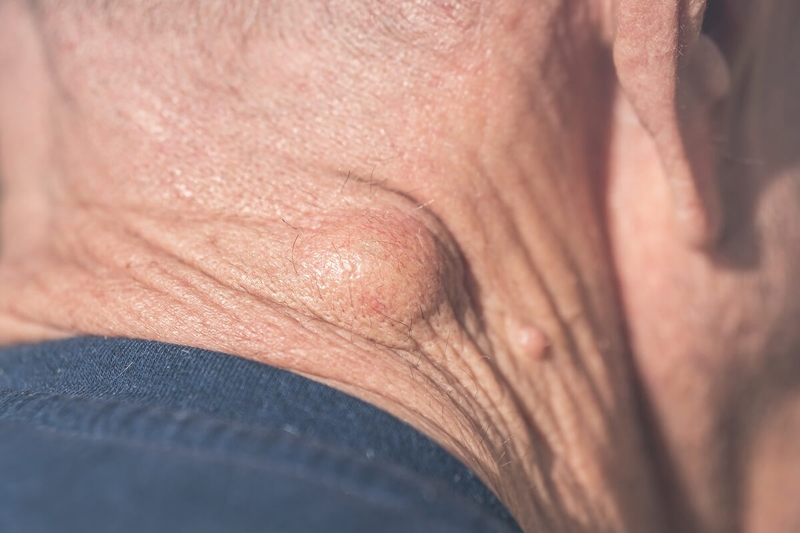
A lump combined with other symptoms deserves prompt medical attention.
Contact your healthcare provider if you notice a lump along with:
- Unexplained weight loss.
- Persistent fatigue.
- Fever or night sweats without a clear cause.
- Difficulty swallowing.
- Ongoing pain that doesn't improve.
- Swollen lymph nodes in multiple areas.
These symptoms do not automatically indicate cancer, but they may signal that your body is dealing with an underlying health issue that requires evaluation.
Common Causes of Non-Cancerous Lumps
It's important to remember that many lumps have completely harmless explanations, including:
- Lipomas: Soft, slow-growing fatty lumps beneath the skin.
- Sebaceous or epidermoid cysts: Small sacs filled with skin oils or keratin.
- Swollen lymph nodes: Often caused by infections or inflammation.
- Fibroadenomas: Common non-cancerous breast lumps.
- Ganglion cysts: Fluid-filled lumps that often develop near joints or tendons.
Only a healthcare professional can determine the exact cause through a physical examination and, if necessary, imaging or laboratory tests.
When Should You See a Doctor?
Schedule a medical evaluation if:
- A lump is new and has no obvious explanation.
- It continues to grow.
- It lasts longer than two to four weeks.
- It becomes painful or repeatedly returns.
- It bleeds or develops an open sore.
- You notice any of the four warning signs discussed above.
Early evaluation doesn't mean something serious is wrong—it simply helps ensure that any necessary treatment can begin as soon as possible.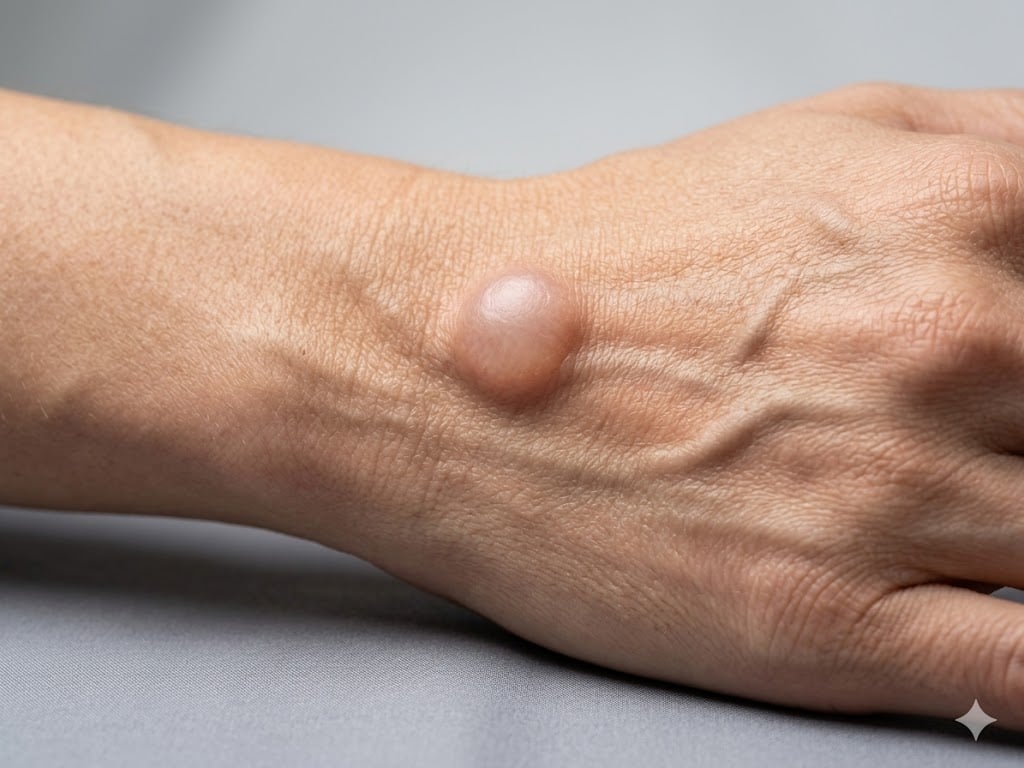
Don't Panic—But Don't Ignore It
Finding a lump can be unsettling, but remember that most lumps are not cancer. At the same time, paying attention to changes in your body is one of the best ways to protect your health.
If a lump is growing, feels unusually hard or fixed, causes skin changes, or is accompanied by other unexplained symptoms, don't wait for it to go away on its own. A healthcare professional can determine the cause and recommend the appropriate next steps.
Listening to your body and seeking medical advice when something doesn't seem right is always a smart decision.