You Always Sleep on Your Right Side? Pay Attention to These Possible Effects
If You Sleep on Your Right Side, Your Body May Respond in Unexpected Ways… 👀
⏱️ 1 min read 24/08/2026 23:30
Cancer can be difficult to recognize in its earliest stages because many cancers cause few or no obvious symptoms at first. A person may feel generally healthy while abnormal cells are developing inside the body.
That is why certain changes in everyday habits deserve attention—especially changes involving urination or bowel movements that are new, persistent, unexplained, or getting worse.
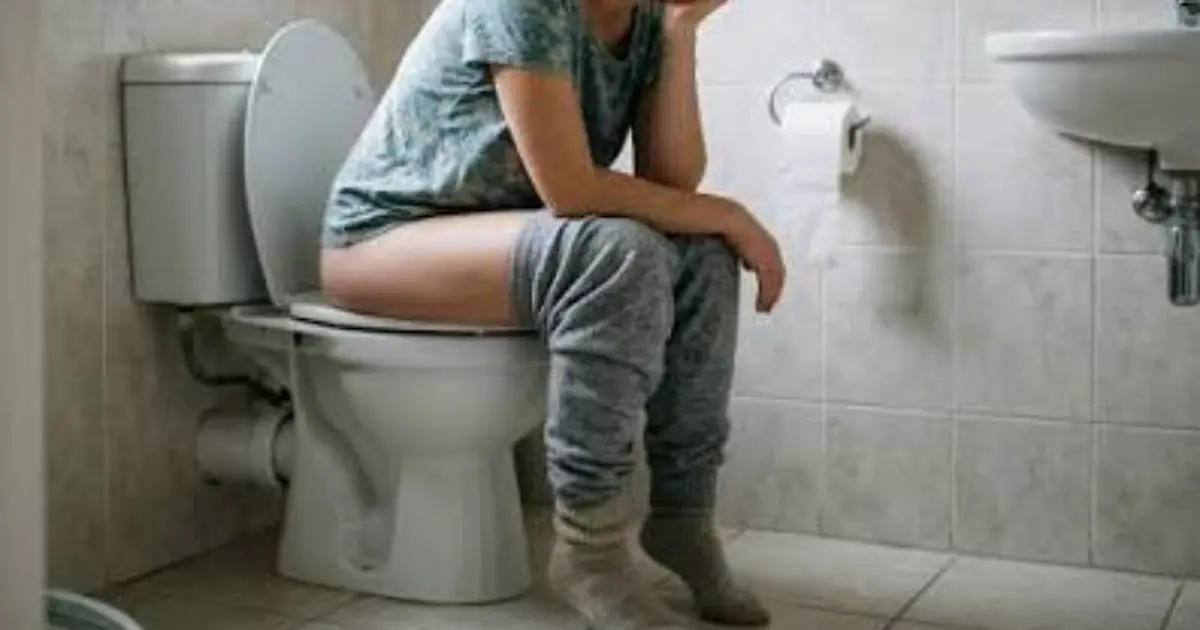
The image above highlights a common concern: bathroom changes that might appear harmless but could sometimes warrant medical evaluation. It is important to put this information into perspective, however. Most changes in urine or bowel habits are not caused by cancer. Dehydration, medications, infections, dietary changes, hemorrhoids, digestive disorders, and many other conditions can produce similar symptoms.
Still, knowing which warning signs deserve attention can help people seek appropriate care sooner.
One of the most important urinary warning signs is visible blood in the urine, a condition known as hematuria.
Urine may appear pink, red, or brownish, although sometimes blood can only be detected through laboratory testing.
Blood in the urine can have many causes, including:
Urinary tract infections
Kidney stones
Certain medications
Kidney disease
Prostate conditions
Trauma
Bladder or kidney cancer
Blood in the urine should not automatically be assumed to be cancer. In fact, infections and other noncancerous conditions are common explanations.
However, unexplained visible blood should be evaluated by a healthcare professional, particularly if it occurs without pain or keeps returning.
Bladder and kidney cancers can sometimes cause blood in the urine before other noticeable symptoms develop.
Everyone experiences occasional constipation or diarrhea.
A change becomes more concerning when it persists without an obvious explanation.
For example, someone who normally has regular bowel movements may suddenly develop persistent constipation, frequent diarrhea, unusually narrow stools, or alternating constipation and diarrhea.
Colorectal cancer can sometimes interfere with the normal passage of stool, resulting in changes in bowel habits.
But there are many other possible explanations, including:
Irritable bowel syndrome
Dietary changes
Food intolerances
Infections
Stress
Inflammatory bowel disease
Therefore, a temporary change after eating differently or experiencing an illness is usually not a reason to panic.
The key issue is persistence and unexplained change.
Blood in or on the stool is another symptom that deserves attention.
Bright red blood can occur with hemorrhoids or anal fissures, particularly after constipation. But rectal bleeding can also be associated with conditions affecting the colon or rectum.
Another important sign is black, tar-like stool.
Dark stool can sometimes result from foods or iron-containing medications, but black, sticky, tarry stool may indicate bleeding higher in the digestive tract.
Because gastrointestinal bleeding can have serious causes, unexplained blood in the stool should not simply be ignored.
A doctor may need to determine where the bleeding is coming from and why it is happening.
Going to the bathroom more frequently can have many causes.
You may simply be drinking more fluids, consuming more caffeine, taking a diuretic medication, or experiencing a urinary infection.
However, persistent changes in urinary frequency or urgency can sometimes be associated with problems involving the bladder, prostate, or other parts of the urinary system.
Some people notice that they suddenly need to urinate repeatedly, including several times during the night.
Others may experience a strong urge to urinate even when very little urine comes out.
These symptoms are much more commonly caused by noncancerous conditions than cancer, but persistent or unexplained changes deserve medical assessment.
Another bathroom change that should not be overlooked is difficulty urinating.
A person may notice:
Difficulty starting the urine stream
A weak or interrupted stream
Straining to urinate
A sensation that the bladder has not completely emptied
Dribbling after urination
Increasing urinary frequency
In men, an enlarged prostate is a common cause of these symptoms.
However, urinary difficulties can also result from infections, neurological conditions, medications, bladder problems, or other disorders.
Certain cancers can affect urinary structures as well.
The presence of urinary difficulty does not mean someone has cancer, but persistent symptoms should be investigated rather than ignored.
Urine naturally varies in color depending on hydration, food, medications, and other factors.
Dark yellow urine, for example, is often simply a sign that a person needs more fluids.
Certain foods and medications can also change urine color.
However, persistent unusual urine changes may sometimes provide useful clues about underlying health problems.
For example, tea-colored or very dark urine accompanied by yellowing of the skin or eyes may indicate a liver or bile-related problem.
Cloudy or foul-smelling urine may occur with a urinary tract infection.
Foamy urine that persists can sometimes be associated with protein in the urine and may warrant kidney evaluation.
Again, these changes are not specific cancer symptoms. They are signals that should be interpreted alongside other symptoms and medical history.
One reason cancer can be difficult to identify early is that the body may compensate for abnormal changes for a long time.
A tumor may initially be small and cause no obstruction, bleeding, pain, or noticeable functional change.
This means a person should not wait for severe pain before taking persistent symptoms seriously.
At the same time, it is equally important not to interpret every minor bathroom change as a cancer warning.
Medical screening and professional evaluation are much more reliable than symptom-based self-diagnosis.
Screening recommendations vary according to age, sex, family history, genetic risk, and other factors.
For example, colorectal cancer screening can detect precancerous polyps or cancer before symptoms develop.
A single unusual bathroom experience usually does not mean something serious is happening.
The situation becomes more important when a symptom is:
Persistent
Recurring
Progressively worsening
Unexplained
Accompanied by other concerning symptoms
Pay particular attention if bathroom changes occur together with unexplained weight loss, persistent fatigue, abdominal pain, fever, anemia, vomiting, or a significant change in appetite.
And certain symptoms should receive prompt medical attention.
Visible blood in urine or stool should be evaluated.
Severe abdominal pain, heavy bleeding, fainting, vomiting blood, black tarry stool, inability to urinate, or signs of severe dehydration may require urgent medical care.
The internet is full of alarming health headlines that connect ordinary symptoms directly to cancer.
That approach can create unnecessary fear.
Instead, pay attention to patterns.
If you notice a new change, consider whether there is an obvious explanation. Have you recently changed your diet? Started a new medication? Increased caffeine consumption? Had an infection? Become dehydrated?
If the symptom disappears quickly, it may not indicate a serious problem.
But if the change continues or repeatedly returns, make an appointment with a healthcare professional.
Keeping track of symptoms can also be useful. Note when they started, how often they occur, what they look like, and whether anything makes them better or worse.
This information can help a clinician determine which tests, if any, are appropriate.
Bathroom habits can provide valuable information about the body, but they are not a reliable way to diagnose cancer on their own.
Blood in the urine, persistent bowel changes, blood or black stool, unusual urinary frequency, difficulty urinating, and persistent changes in urine appearance can all have many different causes.
Most are not automatically signs of cancer.
Nevertheless, persistent or unexplained changes should not be dismissed simply because they are embarrassing or inconvenient to discuss.
Early evaluation can sometimes identify infections, digestive disorders, urinary conditions, kidney problems, or other treatable issues—and, in some cases, it may help detect cancer at a stage when treatment can be more effective.
The smartest response to an unusual bathroom symptom isn't panic.
It is attention, context, and appropriate medical evaluation.
If You Sleep on Your Right Side, Your Body May Respond in Unexpected Ways… 👀
These Bruises May Look Harmless, But Here’s When They Deserve Medical Attention… 👀
Experts explain the surprising benefits and risks of walking barefoot.
Don’t Just Scratch It Away: 9 Itching Patterns That Deserve a Closer Look 👀
Don’t Just Flush and Forget: 6 Bathroom Signs Worth Paying Attention To
What Really Happens When You Start Eating Avocados Regularly? See More 👇
Don’t Ignore These 8 Signs Your Kidneys May Not Be Working Properly
If Peeing in the Shower Is Part of Your Routine, You’ll Want to Read This… 😳
If Your Veins Suddenly Become More Visible or Change Color, It May Be Worth Paying Attention...
Think Cashews Are Always Good for You? Doctors Say There’s More to Know… 😳👇
Snake bi.te - don't panic, do the following
Doctors say eating boiled eggs in the morning may help you...
Guava Isn’t Just a Healthy Fruit—Here’s What Doctors Want You to Know 👇
Doctors are raising concerns about certain vegetables linked to dangerous health risks when improperly stored or cooked.
A 65-year-old woman di.ed suddenly at dawn - doctors say her bedtime habits were the real kil.ler
Looking for a Healthy Sweet Snack? Try This Vitamin C Powerhouse
The Most Parasite-Contaminated Vegetable? Experts Warn About Hidden Risks see the frist comment
Found a Lump on Your Neck? Here's What Doctors Want You to Know
A simple bedtime habit with cloves is attracting growing interest.
A Golden Retriever's Instincts Left New Parents Speechless
If You Sleep on Your Right Side, Your Body May Respond in Unexpected Ways… 👀
These Bruises May Look Harmless, But Here’s When They Deserve Medical Attention… 👀
Experts explain the surprising benefits and risks of walking barefoot.
Don’t Just Scratch It Away: 9 Itching Patterns That Deserve a Closer Look 👀
Don’t Just Flush and Forget: 6 Bathroom Signs Worth Paying Attention To
What Really Happens When You Start Eating Avocados Regularly? See More 👇
Don’t Ignore These 8 Signs Your Kidneys May Not Be Working Properly
That fabric strip on hotel beds actually has several clever uses.
If Peeing in the Shower Is Part of Your Routine, You’ll Want to Read This… 😳
If Your Veins Suddenly Become More Visible or Change Color, It May Be Worth Paying Attention...
Think Cashews Are Always Good for You? Doctors Say There’s More to Know… 😳👇
Snake bi.te - don't panic, do the following
Doctors say eating boiled eggs in the morning may help you...
Guava Isn’t Just a Healthy Fruit—Here’s What Doctors Want You to Know 👇
Doctors are raising concerns about certain vegetables linked to dangerous health risks when improperly stored or cooked.
A 65-year-old woman di.ed suddenly at dawn - doctors say her bedtime habits were the real kil.ler
Looking for a Healthy Sweet Snack? Try This Vitamin C Powerhouse
The Most Parasite-Contaminated Vegetable? Experts Warn About Hidden Risks see the frist comment