If You Often Get Leg Cramps At Night, Don't Ignore Them. You Need To Know This Immediately.
Night Leg Cramps: Why They Happen and What Your Body May Be Telling You
Waking up suddenly with a painful leg cramp can be an awful experience. One moment you are sleeping comfortably, and the next, your calf or thigh tightens so intensely that you may have to sit up, stretch the leg, or massage the muscle just to make the pain stop.
For some people, this happens only occasionally. For others, nighttime leg cramps return again and again, sometimes several times a week.
The image suggests that frequent nighttime leg cramps are something people should take seriously. While a leg cramp does not automatically mean that something is seriously wrong, recurrent cramps can have many possible causes, ranging from dehydration and muscle fatigue to medications, circulation problems, or underlying medical conditions.
Understanding the possible triggers can help you decide when simple self-care is enough—and when it is time to speak with a healthcare professional.
What Exactly Is a Nighttime Leg Cramp?
A nighttime leg cramp, sometimes called a nocturnal leg cramp, is a sudden, involuntary contraction of a muscle.
The calf is one of the most common locations, although cramps can also affect the thighs, feet, or other muscles.
During a cramp, the muscle may become extremely hard and painful. The episode can last from several seconds to several minutes, and the muscle may remain sore afterward.
Night cramps are particularly frustrating because they can interrupt sleep repeatedly, eventually contributing to daytime fatigue and reduced quality of life.
The exact cause is not always identifiable.
1. Dehydration May Play a Role
One of the most frequently discussed contributors to muscle cramps is inadequate fluid intake.
Your muscles and nerves depend on proper fluid and electrolyte balance to function normally.
Heavy sweating, exercise, hot weather, fever, vomiting, or diarrhea can all increase fluid losses.
When someone becomes dehydrated, muscle function can be affected.
However, it is important not to assume that every nighttime cramp is simply caused by dehydration.
Drinking excessive amounts of water is not necessarily the solution either. Electrolyte balance is complex, and individual needs vary.
The better approach is to maintain normal hydration throughout the day, particularly when you are exercising or losing significant amounts of fluid.
2. Muscle Overuse Can Trigger Cramps
Your muscles may become more vulnerable to cramping after unusual physical activity.
Examples include:
A long walk
Running
Climbing stairs
Standing for many hours
A new workout
Heavy lifting
Even activities that do not feel particularly intense can produce muscle fatigue if your body is not accustomed to them.
If cramps began after you significantly increased your activity level, muscle fatigue may be one possible contributor.
Gradually increasing exercise intensity and allowing adequate recovery can help reduce the likelihood of repeated muscle spasms.
3. Staying in One Position for Too Long
Nighttime cramps can sometimes occur after prolonged periods of inactivity.
People who spend much of the day sitting or standing may notice more frequent cramps.
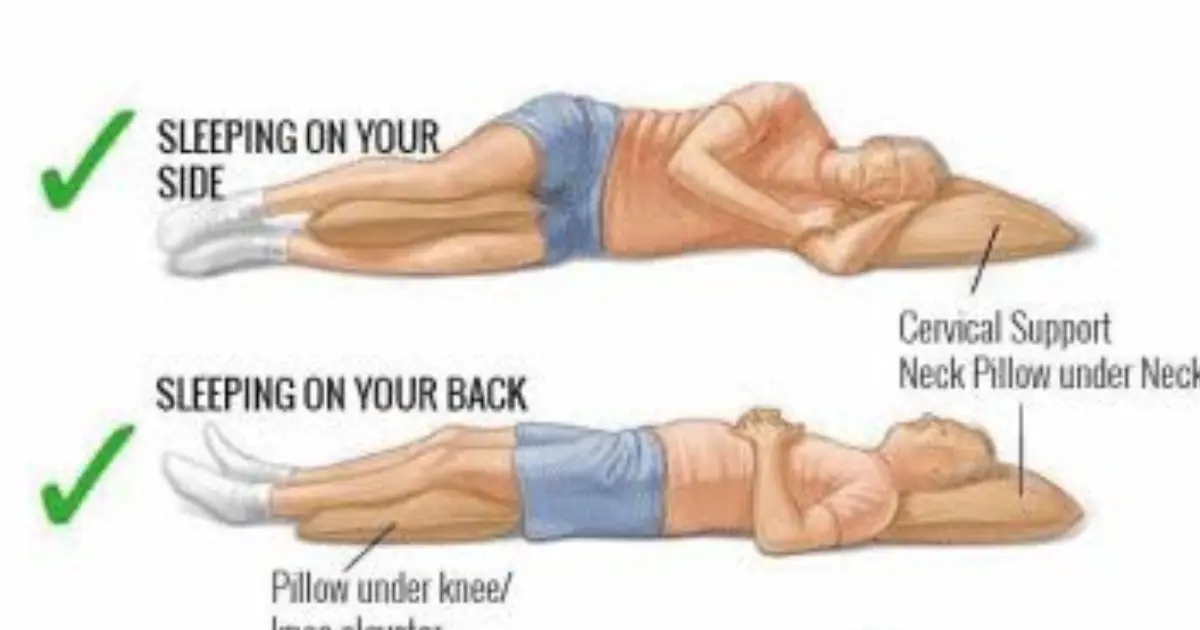
Sleeping position may also influence muscle tension.
Some people experience calf cramps when their feet remain pointed downward for extended periods.
Gentle movement during the day, regular stretching, and avoiding prolonged periods in exactly the same position may help.
4. Medications Can Sometimes Contribute
Certain medications have been associated with muscle cramps in some people.
Examples can include some diuretics, cholesterol-lowering medications, and other drugs, although the relationship varies from person to person.
This does not mean you should stop taking a prescribed medication if cramps develop.
Instead, if frequent cramps began after starting or changing a medication, tell your healthcare professional.
They can determine whether the medication could be contributing and whether any adjustment is appropriate.
Never discontinue an important prescription without medical guidance.
5. Electrolytes Are More Complicated Than “Low Potassium”
A popular explanation for muscle cramps is potassium deficiency.
Potassium is certainly important for normal muscle and nerve function, but cramps are not always caused by low potassium.
Other electrolytes—including magnesium, calcium, and sodium—also play important roles in neuromuscular function.
At the same time, taking large amounts of electrolyte supplements without knowing whether you actually need them can be counterproductive.
For example, excessive potassium can be dangerous for certain people, particularly those with kidney problems or those taking specific medications.
Do not automatically start high-dose supplements simply because you experience cramps.
A healthcare professional can determine whether testing or supplementation is appropriate.
6. Pregnancy Can Increase the Risk
Leg cramps are relatively common during pregnancy, particularly later in pregnancy.
Changes in circulation, increased pressure on muscles and nerves, physical strain, and other physiological changes may contribute.
Pregnant people experiencing frequent cramps should discuss persistent or severe symptoms with their healthcare provider, particularly if swelling, redness, warmth, or significant pain develops in one leg.
That distinction is important because a blood clot can also cause leg pain and swelling and requires prompt medical attention.
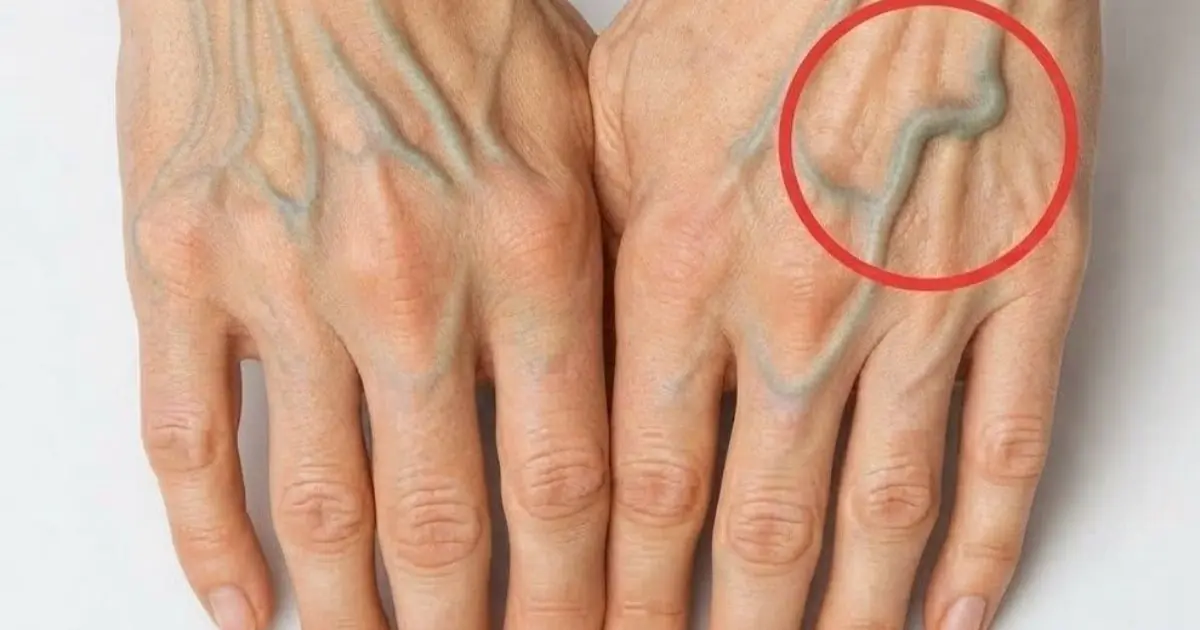
7. Circulation and Nerve Problems Can Sometimes Be Involved
Frequent cramps can occasionally occur alongside conditions affecting circulation or nerves.
For example, peripheral artery disease can cause leg discomfort during activity, while certain neurological conditions can affect muscle function.
Diabetes may also contribute to nerve damage, which can produce unusual sensations, weakness, or discomfort in the legs.
This does not mean that recurring cramps automatically indicate poor circulation or nerve disease.
But if cramps occur alongside numbness, weakness, persistent burning, changes in skin color, or significant walking-related pain, medical evaluation is worthwhile.
8. Kidney and Other Medical Conditions Matter
The kidneys help regulate fluid and electrolyte balance.
Certain kidney disorders can therefore affect mineral levels and muscle function.
Other endocrine or metabolic conditions can also contribute to muscle symptoms.
If cramps are severe and recurrent without an obvious explanation, a doctor may review your medical history, medications, diet, hydration, and other symptoms.
Depending on the situation, laboratory testing may be appropriate.
What Should You Do During a Cramp?
When a cramp suddenly strikes, the goal is to gently lengthen the contracted muscle.
For a calf cramp, you can try straightening the leg and gently pulling the toes toward you.
Standing and carefully placing weight on the affected leg may also help some people.
Gentle massage can relax the muscle and reduce discomfort.
Avoid aggressive stretching or forceful movements, particularly if the pain is severe.
Once the cramp stops, the muscle may remain tender for several hours.
How Can You Reduce Nighttime Cramps?
Several simple habits may help reduce recurring episodes.
Stay adequately hydrated throughout the day.
Stretch the calf muscles gently before bedtime.
Warm up properly before strenuous exercise.
Increase physical activity gradually.
Avoid sudden increases in training intensity.
Review medications with your healthcare professional if cramps began after a medication change.
Maintain a balanced diet rather than relying on high-dose supplements.
Some people also find that gentle walking or movement before bed reduces nighttime stiffness.
When Is a Leg Cramp a Warning Sign?
Most ordinary nighttime cramps are uncomfortable rather than dangerous.
However, medical evaluation is particularly important when cramps are frequent, severe, worsening, or interfering with sleep on a regular basis.
You should also seek medical advice if cramps occur together with:
- Persistent muscle weakness
- Significant numbness
- Swelling
- Redness or warmth
- Changes in skin color
- Severe or persistent pain
- Difficulty walking
- Recurrent symptoms without an obvious trigger
Sudden swelling, warmth, redness, and pain in one leg can be signs of a blood clot and should be evaluated promptly.
Chest pain, sudden shortness of breath, coughing up blood, or fainting in someone with possible symptoms of a blood clot requires emergency medical attention.
The Bottom Line
Nighttime leg cramps are common, and most episodes do not mean that a serious disease is developing.
They can be associated with muscle fatigue, prolonged inactivity, dehydration, pregnancy, certain medications, and various medical conditions. Sometimes, however, no specific cause can be identified.
The key is to look at the pattern.
If a cramp happens once after an unusually active day, it may simply be a temporary muscle spasm. But if you are waking up repeatedly with severe cramps, experiencing other changes in your legs, or noticing symptoms that are getting worse, it is worth discussing them with a healthcare professional.
Don't automatically assume that you need potassium, magnesium, or another supplement.
The right treatment depends on the underlying cause.
Pay attention to your hydration, activity level, medications, sleep habits, and overall health—and don't ignore persistent changes.
A nighttime leg cramp may be nothing more than an irritated muscle, but when it keeps coming back, finding out why is much smarter than simply enduring the pain night after night.