Why Nighttime Leg Cramps Happen
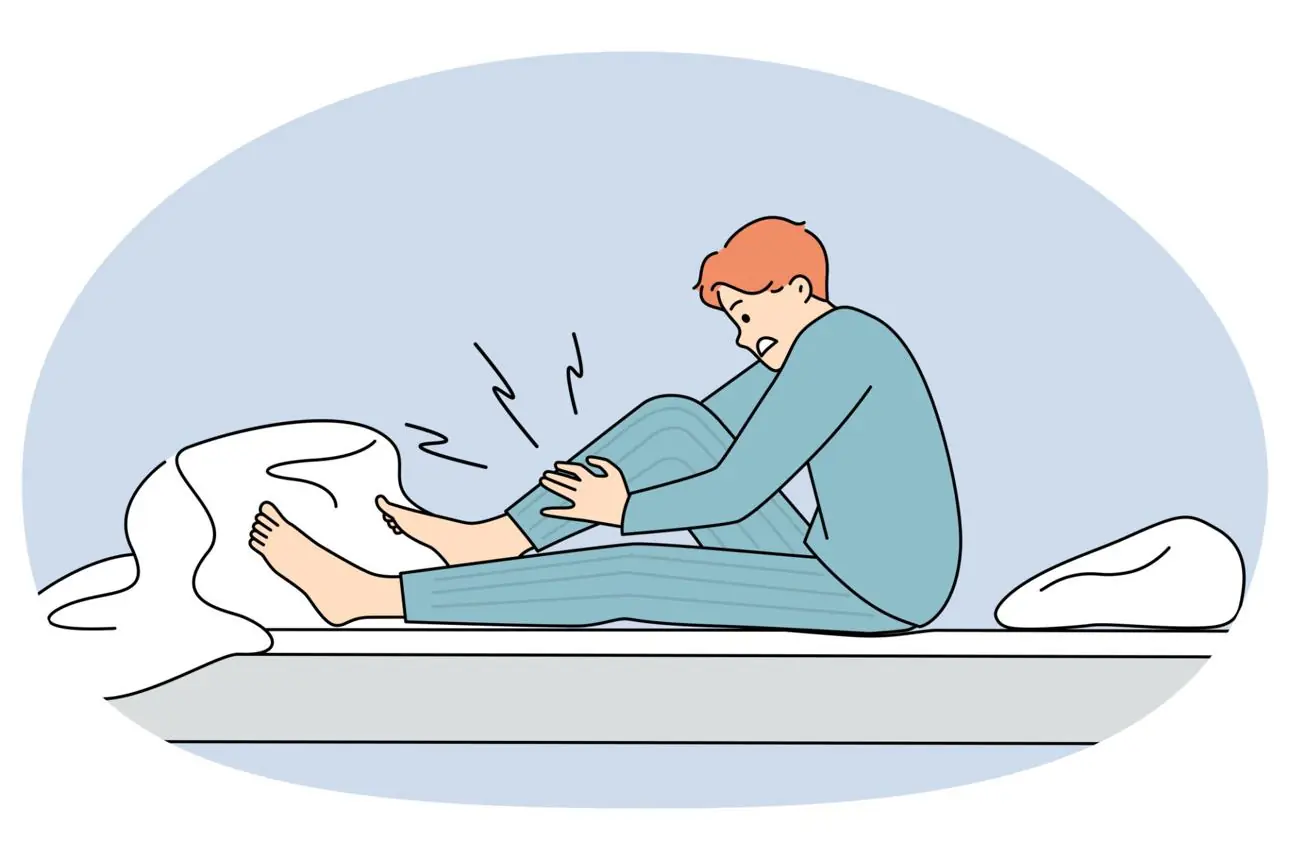
Leg cramps during sleep are extremely common, especially among older adults, pregnant women, and people who spend long hours standing or sitting. These cramps often appear suddenly, causing sharp pain in the calves, feet, or thighs that may last from a few seconds to several minutes.


5
Doctors explain that muscle cramps usually occur when muscles tighten involuntarily. In many cases, simple causes such as dehydration, fatigue, or low levels of minerals like magnesium and potassium may trigger the problem. People who do not drink enough water during the day may be more vulnerable, especially in hot weather.
However, repeated or severe cramps should not always be ignored. Health experts warn that persistent nighttime muscle pain may occasionally be linked to circulation problems, nerve conditions, diabetes, or kidney disease. Some medications can also increase the risk of cramps.
Common Habits That May Trigger Muscle Cramps
Modern lifestyles often contribute to muscle discomfort without people realizing it. Sitting for long periods, lack of exercise, poor posture, and inadequate stretching may place stress on the muscles over time.



4
Experts say the following habits may increase the likelihood of nighttime cramps:
- Not drinking enough water during the day
- Sleeping in awkward positions
- Overexercising without proper recovery
- Consuming too much caffeine or alcohol
- Deficiencies in potassium, calcium, or magnesium
- Standing for long hours without rest
Pregnant women are also more likely to experience cramps because of increased pressure on blood vessels and changing mineral levels in the body.
Doctors recommend gentle stretching before bed to reduce muscle tension. Massaging the legs, improving hydration, and maintaining balanced nutrition may also help prevent recurring cramps.
When You Should See a Doctor
Occasional cramps are usually not dangerous, but certain warning signs require medical attention. If cramps happen frequently, become extremely painful, or are accompanied by swelling, numbness, weakness, or skin discoloration, doctors advise seeking professional evaluation.



Medical professionals may check blood circulation, vitamin levels, kidney function, or nerve health to identify possible underlying causes. Early detection of health problems often leads to better treatment outcomes.
Experts also warn against relying entirely on alarming social media claims. Not every leg cramp is a sign of serious illness. In many cases, lifestyle improvements alone can significantly reduce symptoms.
To support healthier muscles and better sleep, specialists recommend:
- Drinking enough water throughout the day
- Eating foods rich in magnesium and potassium
- Stretching lightly before bedtime
- Maintaining regular physical activity
- Avoiding excessive alcohol and caffeine late at night
- Wearing comfortable footwear during the day
Although nighttime cramps can feel frightening, they are often manageable with proper care and healthy habits. Listening to the body’s signals and paying attention to recurring symptoms may help prevent larger health problems in the future.
Nighttime Leg Cramps: Hidden Causes, Warning Signs, and Practical Ways to Protect Your Muscle Health
Nighttime leg cramps can turn an otherwise peaceful night into an uncomfortable experience. One moment, you are sleeping comfortably; the next, a sudden tightening in your calf or foot wakes you with intense pain. The muscle may feel hard, knotted, and almost impossible to relax. Even after the cramp disappears, soreness can remain for hours.
For many people, these episodes happen occasionally and are not a sign of serious illness. However, when cramps become frequent, interfere with sleep, or appear alongside other symptoms, they deserve closer attention.
Understanding why nighttime cramps occur is the first step toward managing them. The causes are not always as simple as dehydration or a lack of minerals. Muscle fatigue, nerve activity, medication effects, circulation problems, pregnancy, and certain chronic conditions may all play a role.
This article explores the possible explanations behind nighttime leg cramps, how to distinguish ordinary cramps from other conditions, and what you can do to reduce their frequency.
1. What Actually Happens During a Nighttime Leg Cramp?
A muscle cramp is an involuntary contraction. Instead of relaxing normally, the muscle suddenly tightens and remains contracted for a short period.
Nighttime cramps most commonly affect the calf muscles, particularly the large gastrocnemius muscle at the back of the lower leg. They can also occur in the feet, toes, and thighs.
During a typical episode, you may experience:
-
Sudden, sharp pain in one muscle.
-
A visibly or noticeably tight muscle.
-
A hard lump or knot beneath the skin.
-
Difficulty moving the affected foot or leg.
-
Pain that lasts several seconds or minutes.
-
Temporary tenderness after the contraction ends.
Some people experience cramps only once every few months. Others may have them several nights a week.
Although the exact mechanisms behind ordinary nighttime cramps are not completely understood, abnormal activity in the nerves that control muscle contraction is believed to be important.
Muscles rely on coordinated signals from the nervous system. When these signals become unusually active, a muscle may contract involuntarily. Changes in muscle fatigue, nerve excitability, and the position of the leg during sleep may contribute.
This is one reason why simply drinking more water does not solve every case.
2. Why Do Leg Cramps Often Happen at Night?
Nighttime cramps are sometimes called nocturnal leg cramps. They are particularly common in older adults, although people of any age can experience them.
Several factors may explain why they occur during sleep.
Changes in leg position
When people sleep, their feet may naturally point downward. This position shortens the calf muscles.
If the muscles remain in a shortened position for a long time, they may be more likely to cramp in some individuals, especially when combined with muscle fatigue or increased nerve excitability.
This may explain why a sudden movement or stretching of the foot can trigger a painful contraction.
Reduced movement during sleep
During the day, people regularly change position, walk, stretch, and use their leg muscles.
At night, movement decreases significantly. Muscles may remain in one position for extended periods.
For someone who already has tight or fatigued muscles, this prolonged inactivity may contribute to discomfort.
Muscle fatigue accumulated during the day
Nighttime cramps may reflect activities performed many hours earlier.
Standing for a long shift, walking long distances, climbing stairs, exercising intensely, or working in a physically demanding job can place repeated stress on the muscles.
The discomfort may not appear immediately. Instead, the muscles may begin cramping after the person has gone to bed.
Changes in nerve activity
The nervous system controls how muscles contract and relax. Changes in the excitability of the nerves supplying the muscles may contribute to nighttime cramps.
This may be particularly relevant in older adults and people with certain neurological conditions.
3. Dehydration: A Possible Contributor, but Not the Only Explanation
Dehydration is frequently mentioned as a cause of muscle cramps.
Water is essential for normal circulation, temperature regulation, and the balance of electrolytes that support muscle and nerve function.