Coughing up mucus from time to time is a normal part of how the body protects the lungs and airways. Mucus helps trap dust, bacteria, viruses, allergens, and other particles before they can reach deeper parts of the respiratory system. However, when mucus production becomes excessive or a persistent cough continues for weeks, it may be a sign that something more is going on.
Many people dismiss chronic mucus production as a minor annoyance, especially if they are not feeling seriously ill. Yet persistent phlegm can sometimes signal an underlying health condition that deserves attention. Understanding why the body produces excess mucus can help identify potential causes and determine when medical evaluation may be necessary.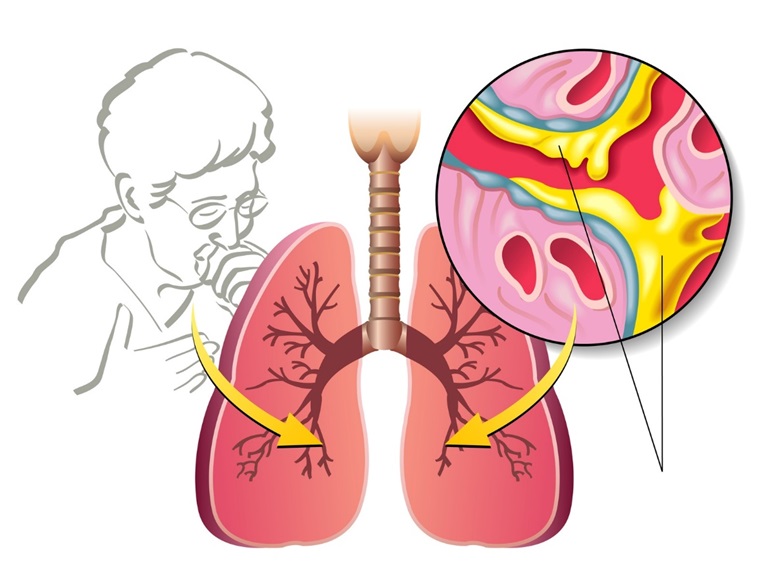
What Is Mucus and Why Does the Body Produce It?
Mucus is a slippery substance produced by specialized cells lining the respiratory tract.
Its functions include:
-
Trapping harmful particles
-
Keeping airways moist
-
Protecting tissues from irritation
-
Helping remove germs and debris
Under normal circumstances, mucus is produced continuously and cleared without much notice.
Problems arise when the body begins producing more mucus than usual or when mucus becomes thicker and harder to clear.
What Does Healthy Mucus Look Like?
Normal mucus is typically:
-
Clear
-
Thin
-
Easy to swallow or clear
Changes in color or consistency can sometimes provide clues about underlying conditions.
For example:
Clear Mucus
Often associated with:
-
Normal respiratory function
-
Allergies
-
Mild irritation
White Mucus
May occur with:
-
Nasal congestion
-
Mild infections
-
Inflammation
Yellow or Green Mucus
Can appear when the immune system is responding to an infection.
Brown or Black Mucus
May result from:
-
Smoking
-
Environmental pollutants
-
Certain occupational exposures
Blood-Streaked Mucus
Should always be discussed with a healthcare professional.
1. Postnasal Drip
One of the most common causes of persistent mucus is postnasal drip.
This occurs when excess mucus from the nose and sinuses drains down the back of the throat.
Common Causes
-
Allergies
-
Sinus infections
-
Seasonal changes
-
Irritants in the environment
Symptoms
-
Frequent throat clearing
-
Persistent cough
-
Feeling of mucus in the throat
-
Hoarseness
Many people mistake postnasal drip for a lung problem when the issue actually begins in the nasal passages.
2. Allergies
Allergic reactions often stimulate mucus production.
When the immune system encounters substances such as:
-
Pollen
-
Dust mites
-
Pet dander
-
Mold
it may trigger inflammation and increased mucus production.
Additional Symptoms
-
Sneezing
-
Itchy eyes
-
Runny nose
-
Nasal congestion
Managing allergies often helps reduce chronic mucus symptoms.
3. Chronic Sinusitis
Chronic sinus inflammation can lead to long-term mucus production.
Symptoms
-
Facial pressure
-
Nasal congestion
-
Thick mucus
-
Reduced sense of smell
-
Ongoing cough
Because mucus continuously drains into the throat, people may feel as though they are constantly coughing up phlegm.
4. Smoking
Smoking is one of the leading causes of chronic mucus production.
Cigarette smoke irritates the respiratory tract and damages tiny hair-like structures called cilia that help remove mucus from the lungs.
Common Symptoms
-
Morning cough
-
Thick mucus
-
Frequent throat clearing
-
Shortness of breath
The well-known "smoker's cough" often develops as the body attempts to remove accumulated irritants.
5. Chronic Bronchitis
Chronic bronchitis is a form of chronic obstructive pulmonary disease (COPD).
It involves ongoing inflammation of the airways.
Symptoms
-
Persistent productive cough
-
Excess mucus
-
Wheezing
-
Shortness of breath
Doctors typically consider chronic bronchitis when mucus-producing coughs persist for months and recur over multiple years.
6. Respiratory Infections
Various infections can increase mucus production.
Examples include:
-
Common cold
-
Influenza
-
COVID-19
-
Pneumonia
-
Bronchitis
Why Mucus Increases
The body produces extra mucus to help trap and remove infectious organisms.
Most infection-related mucus improves as the illness resolves.
7. Asthma
Many people associate asthma only with wheezing, but excess mucus production can also occur.
Symptoms
-
Coughing
-
Wheezing
-
Chest tightness
-
Shortness of breath
-
Mucus buildup
Asthma-related mucus may worsen at night or after exposure to triggers.
8. Acid Reflux (GERD)
Gastroesophageal reflux disease (GERD) can sometimes contribute to chronic throat irritation and mucus production.
Symptoms
-
Heartburn
-
Chronic cough
-
Hoarseness
-
Sensation of mucus in the throat
Acid irritation may stimulate protective mucus production in the upper airway.
9. Dehydration
Hydration plays a major role in mucus consistency.
When the body lacks adequate fluids:
-
Mucus becomes thicker
-
Airways become irritated
-
Clearing secretions becomes more difficult
Increasing water intake may help thin mucus and make it easier to remove.
10. Environmental Irritants
Exposure to airborne irritants may stimulate excessive mucus production.
Examples include:
-
Air pollution
-
Chemical fumes
-
Dust
-
Smoke
-
Strong fragrances
Reducing exposure often improves symptoms.
Warning Signs That Should Not Be Ignored
Although mucus is usually harmless, certain symptoms require medical attention.
Seek evaluation if you experience:
-
Blood in mucus
-
Persistent cough lasting more than several weeks
-
Unexplained weight loss
-
Chest pain
-
Difficulty breathing
-
High fever
-
Recurrent lung infections
These symptoms may indicate a more serious underlying condition.
How Doctors Identify the Cause
A healthcare provider may use several approaches to determine why mucus production is excessive.
Medical History
Questions may focus on:
-
Smoking history
-
Allergy symptoms
-
Duration of the cough
-
Environmental exposures
Physical Examination
Doctors listen for:
-
Wheezing
-
Congestion
-
Abnormal lung sounds
Additional Tests
Depending on symptoms, testing may include:
-
Chest X-rays
-
Lung function tests
-
Allergy testing
-
CT scans
-
Laboratory analysis of mucus samples
Ways to Help Reduce Excess Mucus
Treatment depends on the underlying cause, but certain strategies may provide relief.
Stay Hydrated
Water helps thin mucus and makes it easier to clear.
Use a Humidifier
Moist air may reduce airway irritation.
Avoid Smoking
Eliminating tobacco exposure often improves respiratory health.
Manage Allergies
Controlling allergy triggers may reduce mucus production.
Exercise Regularly
Physical activity can help improve lung function and mucus clearance.
Maintain Good Indoor Air Quality
Reducing dust and irritants may lessen symptoms.
Can Diet Affect Mucus?
While no specific food directly causes excessive mucus in most people, a balanced diet supports overall respiratory health.
Helpful choices include:
-
Fruits
-
Vegetables
-
Whole grains
-
Lean proteins
-
Adequate fluids
Proper nutrition supports the immune system and helps maintain healthy tissues throughout the respiratory tract.
When Is Mucus Actually Helpful?
Many people view mucus as something entirely negative, but it serves an important protective role.
Without mucus:
-
Germs could more easily enter the lungs.
-
Airways would become dry and irritated.
-
Harmful particles would be harder to remove.
The goal is not to eliminate mucus entirely but to address situations where production becomes excessive or persistent.
Final Thoughts
Constantly coughing up mucus is not always a sign of a serious illness, but it should not be ignored if it becomes chronic or is accompanied by other concerning symptoms. Common causes include allergies, postnasal drip, chronic sinusitis, smoking, respiratory infections, asthma, acid reflux, and chronic lung conditions.
Paying attention to changes in mucus production can provide valuable clues about your respiratory health. If symptoms persist, worsen, or interfere with daily life, seeking medical advice can help identify the underlying cause and ensure appropriate treatment.
Your body often communicates through subtle symptoms, and persistent mucus may be one of the ways it is asking for attention.