😲 Your Body May Be Sending Important Messages After 40 — Here Are 6 Signs to Know
Turning 40 is a significant milestone. While many people continue to feel energetic and healthy well into middle age, it's also a time when the body naturally begins to undergo changes. Some of these changes are completely normal, while others may signal underlying health concerns that deserve attention.
The challenge is that many people dismiss early symptoms as simply "getting older." However, certain changes can provide valuable clues about your overall health and may indicate that it's time to make lifestyle adjustments or consult a healthcare professional.
Here are six body changes after age 40 that experts say shouldn't be ignored.
1. Persistent Fatigue
Everyone feels tired occasionally, especially after a busy week or a poor night's sleep. However, ongoing fatigue that doesn't improve with rest may be worth investigating.
Persistent tiredness can sometimes be linked to:
• Thyroid disorders
• Sleep apnea
• Anemia
• Heart disease
• Diabetes
• Chronic stress
As we age, the body's ability to recover may slow slightly, but feeling exhausted every day is not considered a normal part of aging.
If fatigue begins interfering with your daily activities, it may be a good idea to discuss it with a healthcare provider.
2. Unexpected Weight Gain
Many adults notice that maintaining their weight becomes more challenging after 40.
Several factors may contribute:
• Slower metabolism
• Hormonal changes
• Reduced muscle mass
• Lower physical activity levels
However, rapid or unexplained weight gain can sometimes indicate underlying issues such as thyroid problems, insulin resistance, or other metabolic conditions.
Paying attention to changes in body composition, rather than just the number on the scale, can provide a better picture of your overall health.
3. Shortness of Breath During Routine Activities

Feeling winded after intense exercise is normal. But becoming short of breath during everyday activities such as climbing stairs, walking short distances, or doing household chores should not be ignored.
Potential causes may include:
• Heart-related conditions
• Lung disorders
• Poor cardiovascular fitness
• Anemia
Because the heart and lungs play a critical role in delivering oxygen throughout the body, persistent breathing difficulties warrant medical evaluation.
4. Changes in Memory or Concentration
Occasionally forgetting where you placed your keys happens to everyone.
However, noticeable difficulties with concentration, memory, focus, or mental clarity may deserve closer attention.
Possible contributing factors include:
• Chronic stress
• Poor sleep quality
• Hormonal fluctuations
• Vitamin deficiencies
• Certain medical conditions
Many people describe these symptoms as "brain fog." While mild cognitive changes can occur with age, significant changes should be discussed with a healthcare professional.
5. Frequent Joint Pain or Stiffness
Joint discomfort becomes increasingly common after 40, but persistent pain is not something you should simply accept.
Common causes include:
• Osteoarthritis
• Inflammation
• Previous injuries
• Excess body weight
• Autoimmune conditions
Pain, swelling, or stiffness that affects movement or daily activities may benefit from medical assessment and appropriate treatment.
Maintaining an active lifestyle, strengthening muscles, and keeping a healthy weight can often help support joint health.
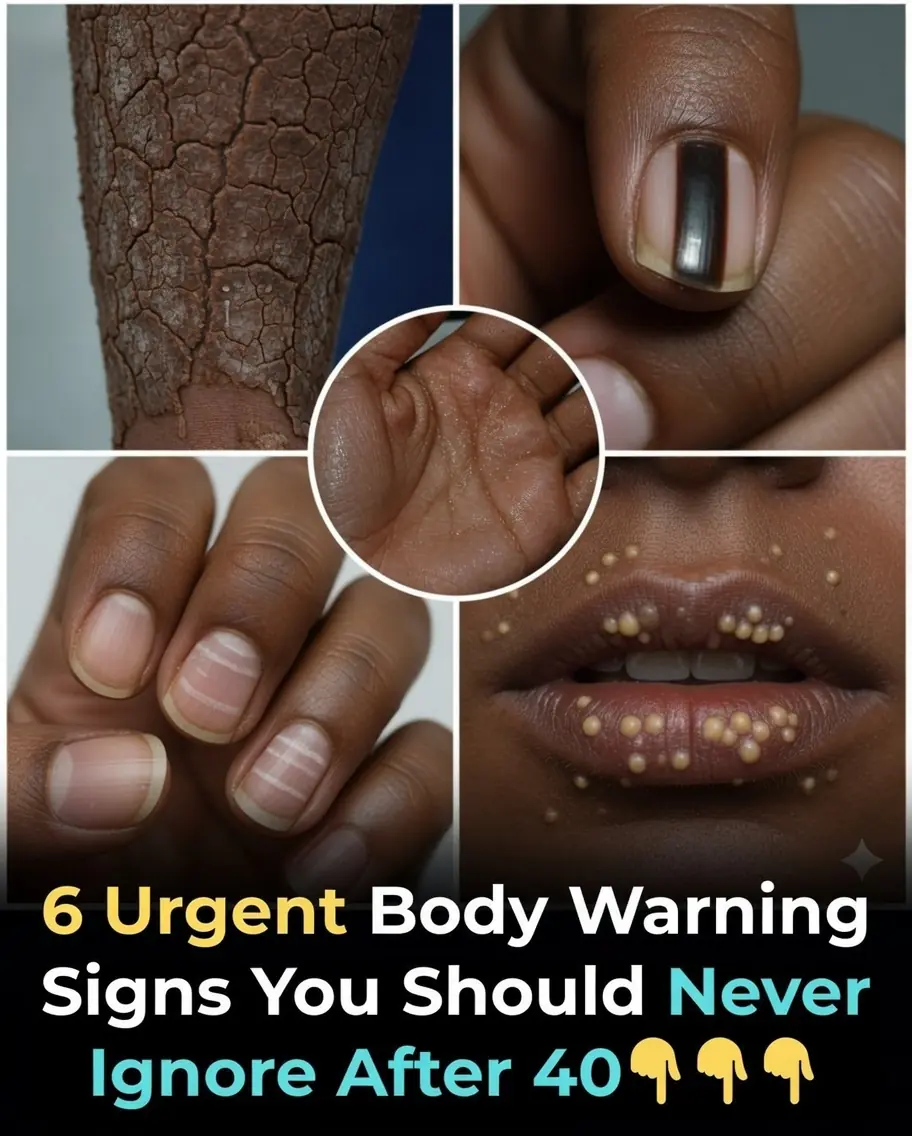
6. Changes in Skin Appearance
The skin often reveals clues about what's happening inside the body.
After age 40, some changes are expected, including:
• Reduced elasticity
• Fine lines and wrinkles
• Drier skin
However, other changes may warrant attention, such as:
• New or changing moles
• Persistent itching
• Unusual discoloration
• Slow-healing wounds
In some cases, skin changes may be associated with nutritional deficiencies, circulation problems, metabolic disorders, or skin cancer.
Monitoring your skin regularly can help identify concerns early.
Why These Signs Matter
Many serious health conditions develop gradually over time. Early symptoms are often subtle and easy to overlook.
The advantage of recognizing warning signs early is that many conditions can be managed more effectively when detected before complications develop.
Regular health screenings become increasingly important after age 40 and may include monitoring:
• Blood pressure
• Blood sugar levels
• Cholesterol levels
• Weight and body composition
• Vision and hearing health
• Cancer screenings based on age and risk factors
Healthy Habits That Become Even More Important After 40
While aging is unavoidable, certain lifestyle choices can support long-term health:
✔ Eat a balanced diet rich in fruits, vegetables, whole grains, and lean proteins.
✔ Stay physically active with both aerobic exercise and strength training.
✔ Prioritize quality sleep.
✔ Manage stress through relaxation techniques and social connection.
✔ Avoid smoking and limit alcohol consumption.
✔ Schedule regular medical checkups.
These habits can help reduce the risk of many age-related health conditions and improve overall quality of life.
The Bottom Line
Reaching 40 doesn't mean your health is destined to decline. In fact, many people enjoy some of their healthiest and most productive years after this age. However, it's important to listen when your body sends signals that something may need attention.
Persistent fatigue, unexpected weight gain, shortness of breath, memory difficulties, joint pain, and unusual skin changes are all signs worth monitoring. While these symptoms don't always indicate a serious problem, they shouldn't automatically be dismissed as a normal part of aging.
Paying attention to your body's messages and seeking medical advice when necessary can help you stay healthier, more active, and better prepared for the years ahead.