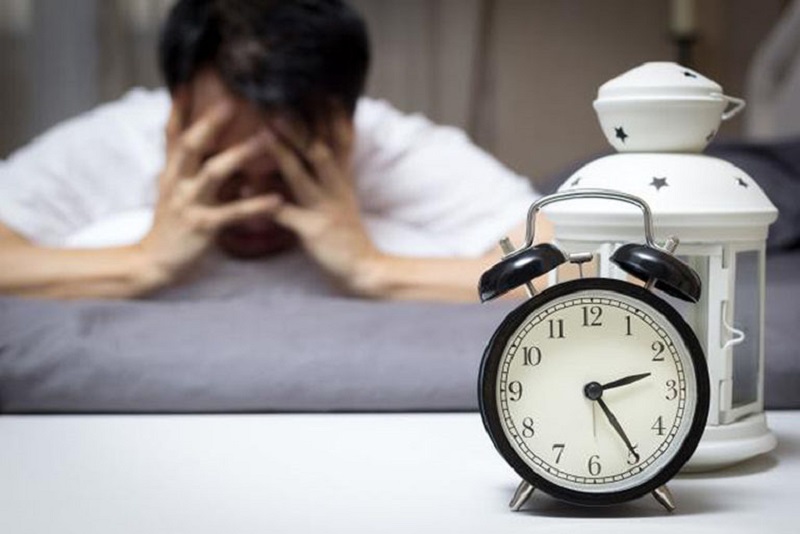
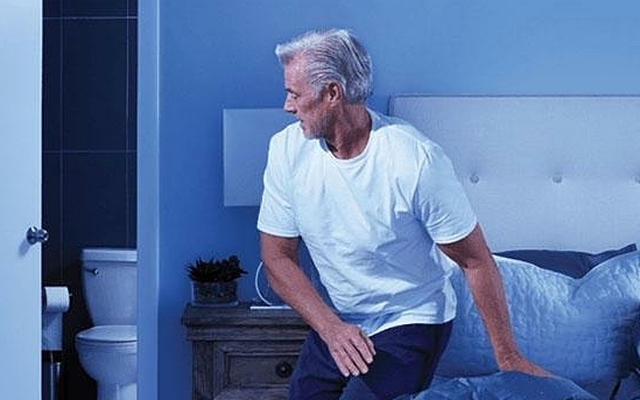
Getting up once during the night to use the bathroom isn't unusual, especially as people get older or if they've had a large drink before bedtime. However, if you find yourself waking up two or more times every night to urinate, it may be worth paying closer attention.
This condition is known as nocturia, and it affects millions of people worldwide. While it is sometimes related to lifestyle habits, it can also be associated with underlying medical conditions that deserve evaluation.
The important thing to remember is that nocturia is a symptom - not a disease itself.
Understanding what might be contributing to frequent nighttime urination can help you know when simple lifestyle changes may help and when it's time to speak with a healthcare professional.
What Is Nocturia?
Nocturia refers to waking from sleep specifically to urinate.
Most healthy younger adults can usually sleep through the night without needing to empty their bladder.
As people age, nighttime urination becomes more common because of natural changes in bladder capacity, hormone production, and sleep patterns.
However, frequent nighttime trips to the bathroom are not always simply a normal part of aging.
Persistent nocturia may interfere with sleep quality, increase the risk of falls at night, and reduce overall quality of life.
1. Drinking Too Much Fluid Before Bed
One of the simplest explanations is also one of the most common.
Drinking large amounts of fluid during the evening may increase urine production overnight.
Common contributors include:
-
Water
-
Tea
-
Coffee
-
Soft drinks
-
Alcohol
-
Soup consumed late in the evening
This doesn't mean you should avoid hydration.
Instead, consider drinking most of your fluids earlier in the day and reducing large beverages within two to three hours of bedtime if your healthcare provider agrees.
2. Caffeine and Alcohol
Both caffeine and alcohol can contribute to nighttime urination.
Caffeine
Found in:
-
Coffee
-
Black tea
-
Green tea
-
Energy drinks
-
Some soft drinks
Caffeine can increase urine production in some people and may also irritate the bladder.
Alcohol
Alcohol suppresses the hormone that normally helps the body conserve water overnight.
As a result, the kidneys produce more urine.
Alcohol may also disrupt sleep, making people more aware of the urge to urinate.
3. Overactive Bladder
An overactive bladder causes a sudden, difficult-to-control urge to urinate.
Symptoms may include:
-
Frequent daytime urination
-
Sudden urgency
-
Urge incontinence
-
Nighttime urination
The bladder muscle contracts more often than necessary, even when the bladder isn't full.
Several treatment options are available, including bladder training, pelvic floor exercises, lifestyle changes, and medications when appropriate.
4. Enlarged Prostate
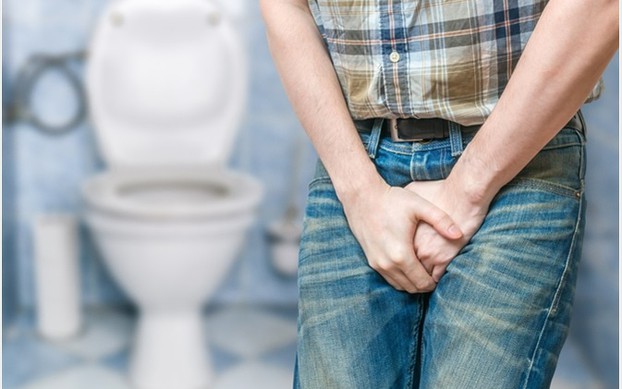
In men, one of the most common causes of nocturia is benign prostatic hyperplasia (BPH).
As the prostate enlarges with age, it may partially block urine flow.
Possible symptoms include:
-
Weak urine stream
-
Difficulty starting urination
-
Dribbling
-
Feeling that the bladder doesn't empty completely
-
Frequent urination during both day and night
Although BPH is not cancer, persistent urinary symptoms should be evaluated by a healthcare professional.
5. Diabetes
Frequent urination can sometimes be an early symptom of diabetes.
When blood glucose becomes elevated, the kidneys work harder to remove excess glucose through the urine.
This increases urine production.
Other possible symptoms include:
-
Increased thirst
-
Unexplained weight loss
-
Fatigue
-
Blurred vision
If nighttime urination is accompanied by these symptoms, medical evaluation is recommended.
6. Urinary Tract Infection (UTI)
A urinary tract infection may cause:
-
Frequent urination
-
Burning during urination
-
Urgent need to urinate
-
Lower abdominal discomfort
-
Cloudy or foul-smelling urine
Although UTIs often cause symptoms throughout the day, they may also disturb sleep by increasing nighttime urgency.
Prompt treatment usually resolves the infection.
7. Sleep Apnea
Many people don't realize that obstructive sleep apnea can contribute to nocturia.
During repeated pauses in breathing, changes in pressure inside the chest stimulate the release of hormones that increase urine production.
Common symptoms of sleep apnea include:
-
Loud snoring
-
Gasping during sleep
-
Morning headaches
-
Excessive daytime sleepiness
-
Poor concentration
Treating sleep apnea often improves nighttime urination in affected individuals.
8. Heart Failure and Fluid Redistribution
In some people with heart failure or chronic swelling in the legs, fluid accumulates in the lower limbs during the day.
When lying down at night, this fluid returns to the bloodstream and is processed by the kidneys.
The result may be increased nighttime urine production.
Symptoms that warrant prompt medical evaluation include:
-
Swelling in the legs
-
Shortness of breath
-
Difficulty lying flat
-
Rapid weight gain due to fluid retention
9. Certain Medications
Some medications naturally increase urine production.
Examples include:
-
Diuretics ("water pills")
-
Certain blood pressure medications
-
Some medications used for heart conditions
If you're taking a diuretic late in the day, your healthcare provider may recommend adjusting the timing—if appropriate.
Never change prescription medications without medical advice.
10. Changes Associated With Aging
As people grow older, several normal changes may contribute to nocturia.
These include:
-
Reduced bladder capacity
-
Lighter sleep
-
Changes in hormone levels
-
Increased prevalence of chronic health conditions
While aging increases the likelihood of nighttime urination, frequent or bothersome symptoms should still be discussed with a healthcare professional rather than automatically dismissed.
When Should You See a Doctor?
Occasional nighttime urination is common.
However, medical evaluation is recommended if:
-
You wake multiple times every night for several weeks.
-
Nighttime urination disrupts your sleep.
-
You notice blood in the urine.
-
Urination is painful.
-
You experience fever or chills.
-
You have excessive thirst or unexplained weight loss.
-
Your urine stream becomes weak or difficult to start.
-
You experience swelling, shortness of breath, or chest pain.
These symptoms may indicate an underlying condition requiring treatment.
Simple Habits That May Help Reduce Nighttime Urination
In many cases, lifestyle changes may improve symptoms.
Consider:
Reduce Evening Fluid Intake
Drink enough throughout the day but avoid large amounts shortly before bedtime unless otherwise advised by your healthcare provider.
Limit Caffeine Later in the Day
Try avoiding caffeinated beverages during the late afternoon and evening.
Reduce Alcohol Before Bed
Alcohol may increase nighttime urine production and disrupt sleep quality.
Empty Your Bladder Before Sleeping
Using the bathroom immediately before going to bed may reduce nighttime awakenings.
Elevate Your Legs in the Evening
If you experience leg swelling, elevating your legs for a short period before bedtime may help reduce overnight fluid redistribution.
Discuss persistent swelling with your healthcare provider.
Maintain a Healthy Weight
Excess body weight is associated with several conditions linked to nocturia, including sleep apnea and diabetes.
Healthy lifestyle habits support overall urinary and cardiovascular health.
How Doctors Evaluate Nocturia
Your healthcare provider may recommend:
-
A medical history
-
Physical examination
-
Urine testing
-
Blood glucose testing
-
Kidney function tests
-
Prostate evaluation (for men)
-
Bladder diary
-
Sleep evaluation if sleep apnea is suspected
A bladder diary records:
-
Fluid intake
-
Urination times
-
Urine volumes
-
Episodes of urgency
This information can be extremely helpful in identifying patterns.
Common Myths About Nighttime Urination
Myth: It's always just part of getting older.
Age increases the likelihood of nocturia, but underlying medical conditions should still be considered.
Myth: Drinking less water all day is the solution.
Restricting fluids excessively may lead to dehydration.
The goal is to balance hydration while reducing large fluid intake close to bedtime.
Myth: It's harmless if it doesn't hurt.
Not always.
Some conditions, including diabetes and sleep apnea, may cause nocturia without pain.
The Bottom Line
Waking up occasionally to urinate during the night is common, but frequent nighttime urination—especially if it happens multiple times every night—may be linked to a variety of underlying causes, ranging from evening fluid intake and caffeine to diabetes, an enlarged prostate, overactive bladder, sleep apnea, or heart and kidney conditions.
Rather than assuming it's simply a normal part of aging, pay attention to how often it happens and whether it's accompanied by other symptoms.
Simple lifestyle adjustments may help in some cases, but persistent nocturia deserves medical evaluation to identify and treat any underlying condition.
Protecting your sleep is an important part of protecting your overall health and understanding why you're waking up at night is the first step.