It's a topic that many people rarely discuss openly, yet surveys suggest that urinating in the shower is more common than many might expect. Some people see it as a harmless habit that saves time and water, while others question whether it could affect hygiene or even health.
So what do medical and hygiene experts actually say?
The answer is more nuanced than many online headlines suggest. While urinating in the shower is generally not considered dangerous for most healthy individuals, there are several factors worth understanding regarding hygiene, bathroom cleanliness, habits, and certain health conditions.
Let's take a closer look at what science and experts say.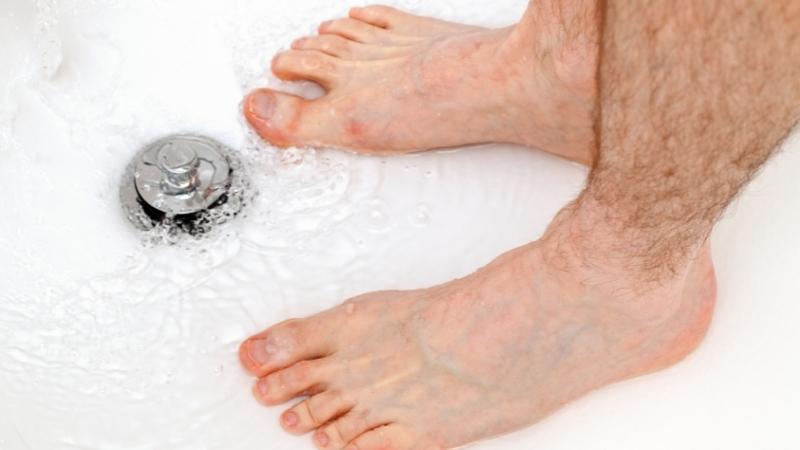
Why Do People Urinate in the Shower?
People who urinate in the shower often cite several reasons:
- Convenience
- Saving time
- Water conservation
- Avoiding an extra toilet flush
For many, it simply becomes part of their routine without much thought.
However, convenience is only one side of the discussion.
Is Urine Actually Sterile?
A common myth claims that urine is completely sterile.
Modern research suggests that urine is not necessarily sterile, even in healthy individuals. Small amounts of bacteria may naturally be present in the urinary tract.
That said, urine from a healthy person generally contains far fewer microorganisms than feces and is not typically considered a major source of disease transmission.
For most healthy individuals, occasional contact with their own urine is unlikely to pose significant health risks.
Does Urinating in the Shower Affect Hygiene?
This is one of the most common concerns.
In a properly functioning shower:
- Running water continuously washes away urine
- Soap and cleaning products are regularly used
- Drainage systems remove waste
Because of this, many hygiene experts do not consider the practice itself a major sanitation problem.
However, cleanliness still matters.
Showers should be:
- Cleaned regularly
- Properly ventilated
- Kept free of mold and residue
Regardless of whether someone urinates in them.
Could It Cause Odors?
Urine is mostly water, but it also contains:
- Urea
- Salts
- Waste products
If a shower is not cleaned regularly, residue may contribute to unpleasant odors over time.
Strong-smelling urine may also occur when a person is:
- Dehydrated
- Taking certain medications
- Consuming certain foods
Regular cleaning usually prevents odor problems.
What About Water Conservation?
Some advocates argue that urinating in the shower may save water by reducing toilet flushing.
Depending on the toilet model, each flush may use several liters of water.
While the environmental impact of one person's habit is relatively small, some people view it as a minor conservation practice.
Could It Create Habit-Related Issues?
Some healthcare professionals have discussed an interesting behavioral concern.
The brain often forms associations between activities and environmental cues.
For example:
- Hearing running water
- Entering a shower
- Turning on a faucet
may become linked with the urge to urinate.
In some individuals, repeatedly reinforcing this association could potentially increase urgency when hearing running water.
However, this concern appears to vary greatly among individuals and is not universally accepted as a significant problem.
What About People With Urinary Conditions?
People with certain medical conditions may need to be more cautious.
Examples include:
- Urinary tract infections (UTIs)
- Bladder dysfunction
- Pelvic floor disorders
- Urinary incontinence
In these situations, discussing symptoms with a healthcare professional may be helpful.
The underlying condition is usually more important than the shower habit itself.
Can It Increase Infection Risk?
For most healthy individuals, there is little evidence that urinating in the shower directly causes infections.
However, risk may theoretically increase if:
- Open wounds are present
- Multiple people share unsanitary shower environments
- The shower is not cleaned properly
Public showers require different hygiene considerations than private home showers.
What About Skin Contact?
Healthy skin provides a strong protective barrier.
Brief contact with diluted urine in a shower environment is generally not considered harmful for most people.
The situation may differ if someone has:
- Open cuts
- Severe skin irritation
- Certain skin infections
Good hygiene remains important.
Is It Safe in Public Showers?
Public facilities deserve extra caution.
Examples include:
- Gym showers
- Locker rooms
- Community pools
- Shared accommodations
Public shower environments already carry exposure risks involving:
- Fungi
- Bacteria
- Skin infections
Good practices include:
- Wearing shower sandals
- Maintaining foot hygiene
- Avoiding contact with visibly dirty surfaces
The Psychology Behind the Debate
Interestingly, opinions about urinating in the shower often involve personal preferences rather than health concerns.
Some people view it as:
- Efficient
- Harmless
- Practical
Others view it as:
- Unsanitary
- Socially unacceptable
- Unpleasant
Cultural attitudes play a significant role in how people perceive the practice.
Common Myths About Urinating in the Shower
Several myths frequently appear online.
Myth: It Is Extremely Dangerous
For most healthy individuals, there is little evidence supporting this claim.
Myth: It Always Causes Infections
Current evidence does not suggest that urinating in a clean private shower automatically leads to infection.
Myth: Urine Is Completely Sterile
Modern research indicates that urine is not necessarily sterile, even in healthy people.
Myth: It Will Damage Plumbing
Normal household plumbing systems are designed to handle liquid waste and generally are not harmed by urine.
When Should Someone See a Doctor?
While the habit itself is usually not a medical concern, certain urinary symptoms deserve evaluation.
Examples include:
- Painful urination
- Blood in urine
- Frequent urgency
- Burning sensations
- Persistent urinary changes
These symptoms may indicate an underlying condition requiring medical attention.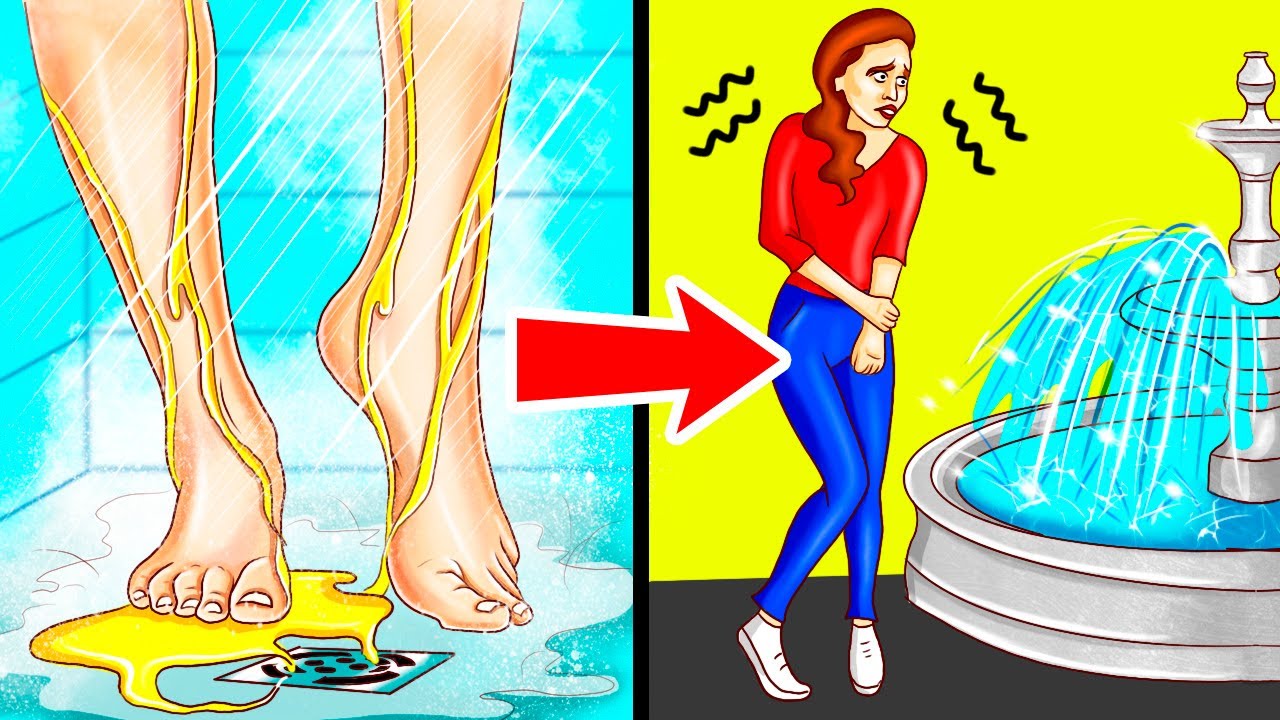
Final Thoughts
If you regularly urinate in the shower, current evidence suggests that the practice is generally not harmful for most healthy individuals when performed in a clean, properly maintained private shower. Concerns are often more related to personal preference, hygiene habits, and bathroom maintenance than to serious health risks.
Experts emphasize that regular cleaning, good personal hygiene, and paying attention to unusual urinary symptoms are far more important factors for health than the shower habit itself. As with many everyday behaviors, context and cleanliness matter most.