Don’t Ignore Ringing in Your Ears — It May Signal a Hidden Health Problem
Have you ever experienced a ringing, buzzing, humming, or whistling sound in your ears when no external noise was present?
Many people dismiss these sounds as a temporary annoyance, especially after attending a loud concert or spending time in a noisy environment. However, persistent ringing in the ears—known medically as tinnitus—can sometimes be a warning sign that something deeper is affecting your health.
While tinnitus is not a disease itself, it is often a symptom of an underlying condition that deserves attention.
What Is Tinnitus?

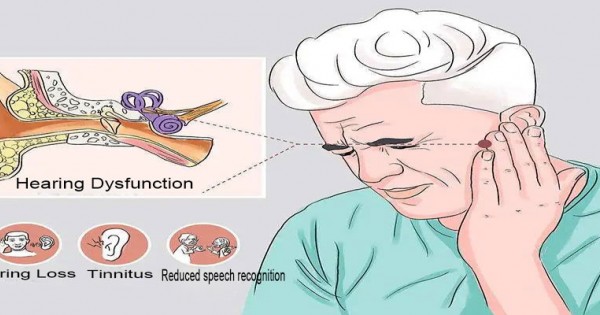
Tinnitus refers to hearing sounds that are not caused by an external source. People describe the sensation in different ways, including:
- Ringing
- Buzzing
- Hissing
- Clicking
- Roaring
- Humming
The sound may occur in one ear or both ears and can be constant or intermittent. Some individuals barely notice it, while others find it disruptive enough to interfere with sleep, concentration, and daily life.
1. Hearing Loss May Be the Hidden Cause
One of the most common causes of tinnitus is hearing loss.
As people age or experience repeated exposure to loud noise, tiny sensory cells inside the inner ear can become damaged. When this happens, the brain may compensate for missing sound signals by generating phantom noises that are perceived as ringing.
In fact, experts estimate that the majority of people with chronic tinnitus also have some degree of hearing impairment.
Warning signs may include:
- Difficulty hearing conversations
- Frequently asking others to repeat themselves
- Turning up the television volume
- Trouble understanding speech in crowded places
2. Earwax Buildup or Ear Infections
Sometimes the cause is surprisingly simple.
Excess earwax can block the ear canal and alter how sound is transmitted, making tinnitus more noticeable. Ear infections can also create pressure changes that trigger ringing or buzzing sensations.
Possible symptoms include:
- Ear pain
- A feeling of fullness in the ear
- Temporary hearing loss
- Dizziness
Fortunately, treating the underlying ear condition often improves the symptoms.
3. High Blood Pressure and Circulation Problems

Your ears rely on a steady supply of oxygen-rich blood to function properly.
Conditions that affect circulation—including high blood pressure, narrowed blood vessels, and cardiovascular disease—can sometimes contribute to tinnitus. In certain cases, people hear a rhythmic sound that seems to match their heartbeat, known as pulsatile tinnitus.
Because circulation problems can affect overall health, persistent pulsating sounds should be evaluated by a healthcare professional.
4. Stress and Anxiety
Many people notice that ringing in the ears becomes louder during periods of emotional stress.
Researchers believe that stress can increase the brain's sensitivity to sound signals, making tinnitus more noticeable. In turn, the constant ringing may increase anxiety, creating a cycle that can be difficult to break.
Some common accompanying symptoms include:
- Difficulty sleeping
- Irritability
- Trouble concentrating
- Feelings of anxiety
Managing stress may help reduce the severity of symptoms for some individuals.
5. Certain Medications Could Be Contributing
Many people are surprised to learn that some medications may trigger or worsen tinnitus.
Potential culprits include:
- Certain antibiotics
- Some antidepressants
- High doses of aspirin
- Anti-inflammatory medications
- Certain cancer treatments
Never stop taking a prescribed medication without consulting your healthcare provider, but if ringing develops after starting a new medication, it's worth discussing with your doctor.
6. Head, Neck, or Jaw Problems
The ears are closely connected to surrounding nerves, muscles, and joints.
Injuries affecting the head or neck can sometimes lead to tinnitus. Likewise, disorders involving the jaw joint, known as temporomandibular joint (TMJ) disorders, have been associated with ear ringing in some people.
Additional symptoms may include:
- Jaw pain
- Clicking when chewing
- Neck stiffness
- Headaches
7. Less Common Medical Conditions
Although less frequent, tinnitus can occasionally be linked to other health issues, such as:
- Ménière’s disease
- Thyroid disorders
- Autoimmune conditions
- Certain nerve-related disorders
Research also suggests that some individuals may have "hidden hearing loss," where damage to the auditory nerve exists despite normal hearing test results.
This is one reason persistent tinnitus should not be automatically dismissed.
When Should You See a Doctor?
Seek medical attention if:
- Ringing persists for several weeks
- Symptoms suddenly worsen
- Tinnitus occurs in only one ear
- You experience hearing loss
- You notice dizziness or balance problems
- The sound pulses with your heartbeat
These signs may indicate a condition that requires professional evaluation.
Can Tinnitus Be Treated?
Treatment depends on the underlying cause.
Depending on the situation, options may include:
- Removing excess earwax
- Treating ear infections
- Managing blood pressure
- Hearing aids
- Sound therapy
- Stress management techniques
- Adjusting medications under medical supervision
While there is not always a complete cure, many people experience significant improvement once contributing factors are addressed.
Final Thoughts
Occasional ringing in the ears after exposure to loud noise is relatively common. However, persistent tinnitus should not be ignored.
Your ears may be providing an important clue about hearing loss, circulation issues, medication side effects, stress, or another underlying health concern. Paying attention to these signals and seeking medical advice when symptoms persist can help identify problems early and protect both your hearing and your overall health.