Chapter 1: Why Are the Veins on Your Hands So Visible?
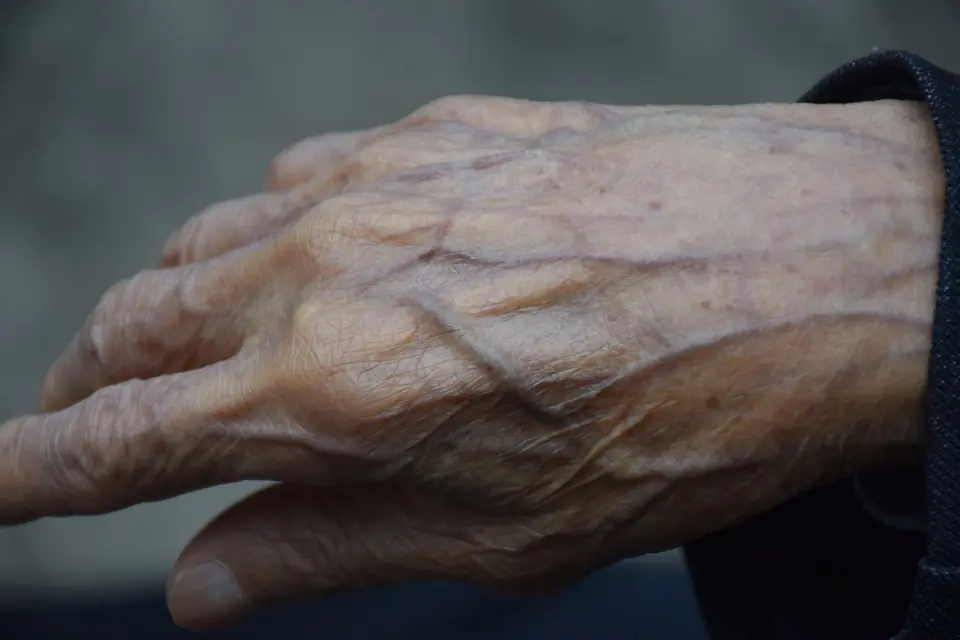
Have you ever looked at the back of your hand and noticed several veins standing out beneath the skin?
For some people, these veins have always been visible. For others, they become more noticeable gradually, particularly as they get older or experience changes in body weight.
The appearance can sometimes be surprising. Blue or greenish lines may run across the back of the hand, around the knuckles, and toward the wrist. In certain individuals, the veins appear slightly raised and can be felt when touched.
Naturally, this can raise questions about health.
Does it mean blood circulation is poor? Could it indicate a heart problem? Is it an early warning sign of cancer?
The reassuring answer is that visible hand veins are usually a normal physical feature. Their appearance alone cannot establish whether someone has a serious disease.
However, understanding why they become prominent can help people recognize when a change deserves medical attention.
1. The veins are naturally close to the skin
Veins are blood vessels responsible for returning blood toward the heart.
Some veins are located deep within muscles, while others run relatively close to the surface of the skin. These superficial veins are easier to see, particularly on the hands and forearms.
The back of the hand has relatively little protective fatty tissue compared with many other parts of the body.
As a result, the veins may be visible even in people who are otherwise completely healthy.
Their appearance varies according to genetics, skin thickness, body composition, and individual anatomy.
Two people of the same age and weight can have very different-looking hands.
One may have barely noticeable veins, while the other's veins may appear prominent under ordinary lighting.
Neither appearance automatically indicates better or worse health.
2. Aging can make veins more noticeable
One of the most common explanations is the natural aging process.
As people grow older, their skin gradually loses collagen, elasticity, and some of its underlying fullness.
The layer of tissue beneath the skin can also become thinner.
Consequently, structures that were previously less noticeable may become more visible.
These include:
-
Superficial veins.
-
Tendons.
-
Knuckles.
-
Small bones beneath the skin.
-
Fine wrinkles and changes in skin texture.
The American Academy of Dermatology explains that the loss of fullness in aging hands can make veins more noticeable.
American Academy of Dermatology+1
This is why an older person's hands may look different from those of someone in their twenties, even when both have healthy circulation.
3. Low body fat can make veins stand out
Body composition is another important factor.
The tissue beneath the skin helps determine how visible superficial veins appear.
People with relatively little subcutaneous fat may notice that their veins are more prominent.
This can happen naturally in people with a lean body type.
It may also occur after substantial weight loss.
For example, someone who loses a considerable amount of weight may notice that their hands look thinner and their veins are easier to see.
This does not necessarily indicate a problem.
However, unexplained weight loss is a separate issue that deserves medical assessment, especially when accompanied by fatigue, appetite changes, persistent pain, or other unusual symptoms.
4. Genetics also influence hand appearance
Some people naturally inherit more prominent superficial veins.
If several members of a family have similar-looking hands, genetics may help explain the pattern.
The position, size, and depth of superficial veins differ from person to person.
This means there is no single appearance that every healthy hand should have.
5. Why the veins may look blue or green
Another common question concerns vein color.
Although veins may appear blue, green, or purple through the skin, the blood inside them is not blue.
Venous blood is dark red because it contains less oxygen than arterial blood.
The color people see is influenced by how light interacts with the skin and underlying blood vessels.
Skin thickness, pigmentation, lighting, and the depth of the vein can all affect its apparent color.
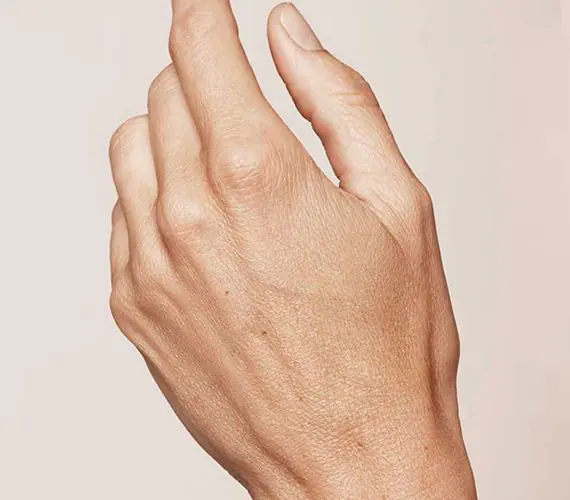
The important point is that prominent veins are not automatically a sign of illness.
What matters more is whether their appearance has changed suddenly and whether other symptoms are present.
Chapter 2: Six Common Reasons Your Hand Veins May Become More Prominent
Visible veins can become more noticeable for several reasons.
Some changes are temporary, while others develop gradually over many years.
Understanding these possibilities can help prevent unnecessary anxiety.
1. Physical exercise
Have you ever noticed that the veins on your hands appear larger after lifting weights, running, or completing an intense workout?
This is a common observation.
During exercise, the body increases blood flow to working muscles.
Changes in circulation and the expansion of superficial blood vessels can make veins more prominent.
People who regularly participate in strength training may also have lower body fat and more defined muscles, which can make superficial veins easier to see.
In most cases, this appearance becomes less noticeable after the body returns to its resting state.
However, if a vein remains unusually swollen, painful, or associated with other symptoms, it should not automatically be attributed to exercise.
2. Hot weather and high temperatures
Temperature can influence how visible veins appear.
When the body becomes warm, blood vessels near the skin can widen to help release heat.
This process is part of the body's natural temperature-regulation system.
As superficial veins expand, they may become more noticeable.
People may observe this during: