
Doctors Reveal What Eating Eggs in the Morning May Do to Your Body
🍳 What Happens When You Eat Eggs Every Morning? Doctors Explain…
⏱️ 1 min read 25/08/2026 23:03
Your kidneys work quietly behind the scenes every day. These two small organs filter waste from your blood, regulate fluid and electrolyte balance, help control blood pressure, and contribute to the production of hormones involved in red blood cell production and bone health.
The problem is that kidney disease can develop without obvious symptoms, especially during its early stages. Many people do not realize their kidney function is declining until routine blood or urine tests reveal a problem.
That is why it is useful to recognize symptoms that can occur when kidney function becomes impaired.
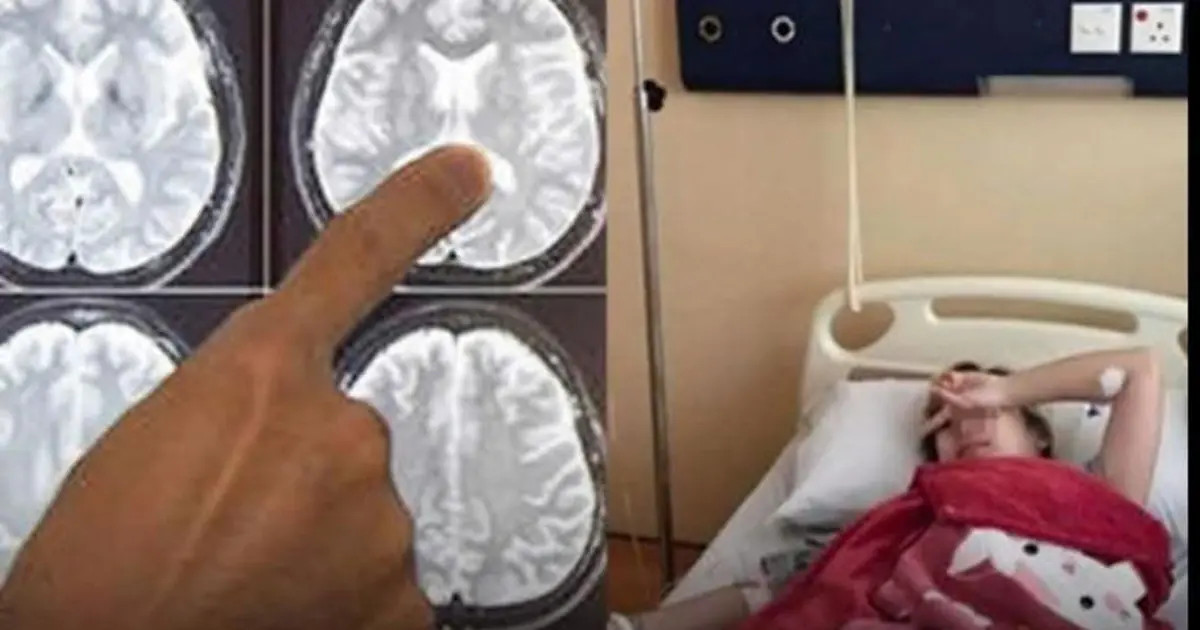
The image suggests that your body will always give you eight clear warnings when your kidneys are in danger. That is an oversimplification. There is no universal set of eight symptoms, and some people with significant kidney disease have few or no noticeable symptoms.
Still, certain changes should not be ignored.
One possible sign of reduced kidney function is fluid retention, which can cause swelling in the lower legs, ankles, feet, or sometimes around the eyes.
Healthy kidneys help remove excess sodium and water from the body. When kidney function declines, the body may retain more fluid.
You might notice that your shoes feel tighter at the end of the day or that pressing on swollen skin leaves a temporary indentation.
However, swelling does not automatically mean kidney disease. Heart problems, liver disease, certain medications, venous circulation problems, and other conditions can also cause edema.
New or persistent unexplained swelling deserves medical evaluation.
Because the kidneys produce urine, changes in urination can sometimes provide clues about kidney or urinary-tract problems.
You might notice:
• Urinating much more or less often than usual
• Needing to urinate repeatedly during the night
• Difficulty urinating
• Foamy or unusually bubbly urine
• Blood in the urine
Foamy urine can sometimes occur simply because urine hits the toilet water with force. But persistent excessive foam can also be associated with protein in the urine, which may indicate kidney damage.
Blood in the urine should also be evaluated because it can have many causes, including kidney stones, urinary infections, medications, and urinary-tract cancers—not just kidney disease.
As kidney disease becomes more advanced, some people experience persistent fatigue, weakness, or reduced ability to concentrate.
One reason is that damaged kidneys may produce less erythropoietin, a hormone involved in red blood cell production. This can contribute to anemia.
Anemia reduces the blood's ability to carry oxygen efficiently and can leave someone feeling exhausted even after adequate sleep.
Fatigue is extremely common and has countless possible causes, so it cannot diagnose kidney disease on its own.
But if persistent fatigue occurs together with swelling, changes in urination, nausea, or other concerning symptoms, it is worth discussing with a healthcare professional.
When kidney function becomes severely impaired, waste products can accumulate in the bloodstream.
This may contribute to nausea, vomiting, reduced appetite, or an unpleasant taste in the mouth.
Some people may also experience weight loss because eating becomes difficult.
These symptoms are generally more concerning when kidney disease is advanced rather than being an early warning sign.
Nausea and appetite changes can obviously occur for many other reasons, including gastrointestinal illnesses, medications, infections, pregnancy, and other medical conditions.
Persistent unexplained symptoms should therefore be evaluated rather than attributed automatically to the kidneys.
Persistent itching can occur in people with advanced chronic kidney disease.
When kidney function is significantly reduced, changes in mineral balance and accumulation of waste products can contribute to dry, itchy skin.
The itching may be widespread rather than limited to one small area.
But itchy skin is far more commonly caused by conditions such as eczema, allergies, dry weather, medications, or skin infections.
The presence of a rash also does not automatically indicate kidney disease.
If itching is severe, persistent, or accompanied by other symptoms of possible kidney dysfunction, medical evaluation can help determine the cause.
Kidney-related problems can sometimes cause pain in the side or back, particularly around the area beneath the ribs.
However, ordinary back pain is very common and is usually caused by muscles, joints, discs, or other structures rather than the kidneys.
Kidney stones may cause severe pain that comes in waves and can radiate toward the groin. Kidney infections can cause pain in the flank or back along with fever, chills, nausea, or urinary symptoms.
Therefore, the location and accompanying symptoms matter.
Severe flank pain, fever, vomiting, or blood in the urine should be medically assessed promptly.
Shortness of breath can occur in advanced kidney disease for several reasons.
Fluid buildup can contribute to fluid in or around the lungs, while severe anemia can reduce oxygen delivery to tissues and make breathing feel more difficult.
But shortness of breath has many potentially serious causes, including heart and lung conditions.
Sudden or severe difficulty breathing should never be assumed to be a kidney problem. It may require urgent medical attention, particularly if accompanied by chest pain, confusion, fainting, blue lips, or severe weakness.
Severe kidney dysfunction can lead to significant changes in the body's chemical balance and allow waste products to accumulate.
In advanced cases, this may contribute to difficulty concentrating, confusion, unusual drowsiness, or changes in mental alertness.
These symptoms are not typical of mild kidney disease.
Sudden confusion or a major change in consciousness is an emergency symptom because it can have many serious causes, including stroke, infection, low blood sugar, medication effects, and other metabolic problems.
Do not wait for kidney symptoms to become severe before seeking medical care.
One of the most important facts about kidney disease is that symptoms may not appear until substantial kidney damage has already occurred.
That is why people with risk factors may need screening even when they feel completely normal.
Two particularly useful assessments are:
Blood testing for estimated glomerular filtration rate (eGFR), which helps assess kidney filtration.
Urine testing for albumin, particularly the urine albumin-to-creatinine ratio (UACR), which can detect abnormal protein leakage.
These tests can identify kidney problems earlier than symptoms alone.
Certain conditions increase the likelihood of chronic kidney disease.
These include diabetes, high blood pressure, cardiovascular disease, obesity, a family history of kidney disease, and certain inherited or structural kidney disorders.
Some medications and repeated episodes of acute kidney injury can also affect long-term kidney health.
If you have one or more major risk factors, ask your healthcare professional whether regular kidney-function testing is appropriate.
There is no single food, drink, or supplement that can magically “clean” your kidneys.
Instead, kidney protection is largely about managing the factors that damage them over time.
Keep blood pressure under control. High blood pressure can damage the blood vessels inside the kidneys.
Manage blood sugar. Diabetes is one of the leading causes of chronic kidney disease.
Avoid smoking. Tobacco use damages blood vessels and increases cardiovascular risk.
Stay physically active and maintain a healthy weight when possible.
Use medications carefully. Frequent or long-term use of certain painkillers, particularly NSAIDs such as ibuprofen or naproxen, can be harmful to the kidneys in some people, especially at higher doses or when combined with dehydration or existing kidney disease. Ask a healthcare professional or pharmacist about your individual risks.
And don't assume that “natural” supplements are automatically safe. Some herbal products can affect kidney function or interact with medications.
Contact a healthcare professional if you develop persistent swelling, ongoing changes in urination, unexplained blood or persistent foam in the urine, continuing fatigue, or other symptoms that concern you.
Seek urgent care for symptoms such as severe flank pain with fever, inability to urinate, significant blood in the urine, severe shortness of breath, or sudden confusion.
The exact symptoms and urgency depend on what is causing the problem.
Your kidneys can be under stress without producing obvious warning signs.
Possible symptoms include:
1. Swelling in the feet, ankles, or legs
2. Changes in urination
3. Persistent fatigue or weakness
4. Nausea or loss of appetite
5. Persistent itching or dry skin
6. Flank or back pain
7. Shortness of breath
8. Difficulty concentrating or changes in alertness
But remember: these symptoms are not specific to kidney disease, and some people with kidney disease have no symptoms at all.
The most reliable way to detect declining kidney function is through appropriate blood and urine testing, particularly if you have diabetes, high blood pressure, cardiovascular disease, or other risk factors.
Your kidneys may not always “warn” you loudly. Sometimes the earliest warning is simply an abnormal laboratory result.
Don't wait until severe symptoms appear to pay attention to kidney health. Regular screening, good blood-pressure and blood-sugar control, careful medication use, and a healthy lifestyle can all play an important role in protecting these essential organs.
🍳 What Happens When You Eat Eggs Every Morning? Doctors Explain…

❤️ Feeling Your Heartbeat While Lying Down? Here’s What It Could Mean…

A simple sleeping position may offer surprising benefits for your body.
Recognizing unusual symptoms early may help prompt timely medical care.

If You See This Type of Chicken, Doctors Advise You to Throw It Out Immediately

Could Lemon Water Help Blo:od Pressure? He Tried It for 2 Years and the Outcome Was Unexpected
🚨 9 Signs Your Blood Sugar May Be Trying to Tell You Something…

4 Early Warning Signs That Could Show Up Minutes Before a Stroke — Don’t Ignore Them
After 40, Your Nails Can Reveal Hidden Changes in Your Body—Don’t Ignore This
The Body Whispers First: Warning Signs of Breast Can.cer That May Appear a Year Before Diagnosis

Many people dismiss nighttime leg cramps as nothing more than a sign of overexertion or dehydration. While occasional muscle cramps are common and usually harmless, frequent or severe episodes can sometimes point to underlying health issues that deserve a

Your Thyroid Is Begging You to Stop Eating These 6 Foods Immediately

Can one simple food really lower blood sugar? Here's the real story.

Cloves are much more than just a sweet, aromatic spice used in cooking; for centuries, they have been valued in traditional medicine for their powerful therapeutic properties. Packed with essential nutrients, vitamins, minerals, and potent plant compounds

What Happens to Your Body When You Eat a Banana Before Bed? Doctors Explain

Tilapia is a popular fish worldwide known for its mild flavor, affordability, and nutritional value. It is high in protein and contains several important nutrients, such as vitamin B12 and vitamin D. However, the safety and ethical concerns related to cer
Stroke can happen at any age, and early action can save lives.

If You Wear Socks to Bed, You Should Know This

Are You Sleeping the Wrong Way? This Position May Be Impacting Your Health.
🍳 What Happens When You Eat Eggs Every Morning? Doctors Explain…
❤️ Feeling Your Heartbeat While Lying Down? Here’s What It Could Mean…
A simple sleeping position may offer surprising benefits for your body.
Recognizing unusual symptoms early may help prompt timely medical care.
Most smartphone users overlook these surprisingly useful button shortcuts.
If You See This Type of Chicken, Doctors Advise You to Throw It Out Immediately
A simple intersection puzzle is challenging logic and road-rule knowledge.
Experts say daily food choices may play a key role in brain aging.
Could Lemon Water Help Blo:od Pressure? He Tried It for 2 Years and the Outcome Was Unexpected
New research raises concerns about a common compound found in breakfast staples.
🚨 9 Signs Your Blood Sugar May Be Trying to Tell You Something…
4 Early Warning Signs That Could Show Up Minutes Before a Stroke — Don’t Ignore Them
As one of the most nutrient-dense foods on the planet, salmon has long been celebrated by health experts and culinary enthusiasts alike. Beyond its rich flavor and versatility in the kitchen, this popular fatty fish offers an impressive array of health be
A simple photo sparked confusion online as thousands mistook a fence for a lake.
After 40, Your Nails Can Reveal Hidden Changes in Your Body—Don’t Ignore This
The Body Whispers First: Warning Signs of Breast Can.cer That May Appear a Year Before Diagnosis
A small purple butterfly carries a message of love, loss, and compassion.
Many people dismiss nighttime leg cramps as nothing more than a sign of overexertion or dehydration. While occasional muscle cramps are common and usually harmless, frequent or severe episodes can sometimes point to underlying health issues that deserve a
Your Thyroid Is Begging You to Stop Eating These 6 Foods Immediately
Can one simple food really lower blood sugar? Here's the real story.