Your legs and feet play a crucial role in supporting your body, enabling movement, and maintaining balance. However, beyond their physical function, they can also provide important clues about your overall health. In many cases, early warning signs of underlying conditions appear in the lower extremities before they are noticed elsewhere.
Paying attention to these signals can help you detect potential problems early and take appropriate action. Below are five symptoms in your legs and feet that should not be ignored.
1. Persistent Swelling (Edema)
Occasional swelling in the legs or feet can occur after long periods of standing or sitting. However, persistent or unexplained swelling may indicate a deeper issue.
Possible causes include:
- Poor circulation
- Heart, kidney, or liver problems
- Fluid retention
If swelling does not improve with rest or elevation, or if it worsens over time, it is important to seek medical advice.
2. Numbness or Tingling Sensations
A tingling or “pins and needles” feeling in the legs or feet can sometimes occur temporarily due to pressure on nerves. However, frequent or persistent numbness may be a sign of nerve-related issues.
This symptom may be associated with:
- Peripheral neuropathy
- Diabetes
- Vitamin deficiencies
Ignoring these sensations can lead to further complications, including loss of sensation or coordination.
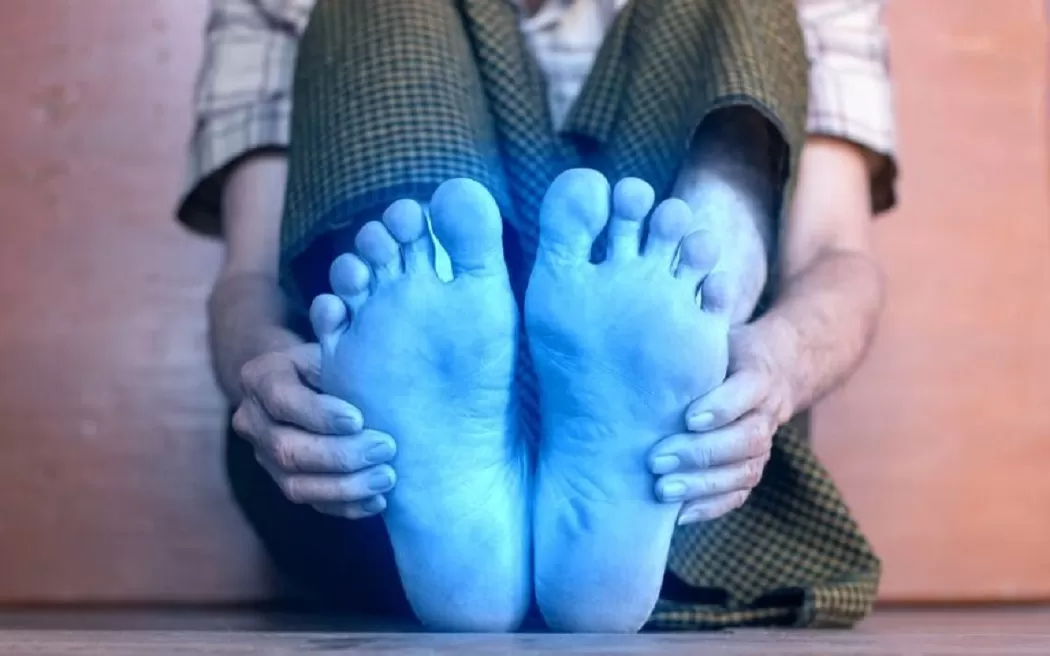
3. Changes in Skin Color or Temperature
Unusual changes in the color or temperature of your legs and feet can signal circulation problems.
Watch for:
- Pale, bluish, or reddish skin
- Cold feet compared to the rest of your body
- Shiny or tight skin
These changes may indicate reduced blood flow or vascular conditions that require attention.
4. Pain or Cramping During Movement
Pain in the legs—especially during walking or physical activity—can be a sign of underlying issues such as poor blood circulation.
This type of pain may:
- Occur during activity and improve with rest
- Feel like cramping or tightness
- Become more frequent over time
Such symptoms may be linked to conditions affecting the blood vessels and should not be overlooked.
5. Slow-Healing Wounds or Sores
Cuts, blisters, or sores on the feet that take a long time to heal can be a serious warning sign. Healthy circulation and proper immune function are essential for wound healing.
Delayed healing may be related to:
- Diabetes
- Poor blood circulation
- Infection
If wounds do not improve or show signs of infection, prompt medical care is necessary.

Why These Symptoms Matter
The legs and feet are often the first areas to show signs of circulation problems, nerve damage, or metabolic conditions. Because they are farthest from the heart, any disruption in blood flow or nerve function may become noticeable here first.
Early detection allows for:
- Timely treatment
- Prevention of complications
- Better long-term health outcomes
When Should You Seek Medical Attention?
You should consult a healthcare professional if:
- Symptoms persist or worsen over time
- Multiple symptoms appear together
- You experience pain, weakness, or difficulty walking
- There are signs of infection or severe swelling
Even mild symptoms can be important indicators when they occur repeatedly.
How to Support Leg and Foot Health
Taking care of your legs and feet can help reduce the risk of complications:
- Stay physically active to promote circulation
- Elevate your legs when resting
- Maintain a balanced diet and healthy weight
- Wear comfortable, supportive footwear
- Check your feet regularly for any changes
These habits can improve circulation and overall lower-body health.

Conclusion
Your legs and feet can reveal important information about your health. Symptoms such as swelling, numbness, color changes, pain, and slow-healing wounds should not be ignored, especially if they persist.
By paying attention to these warning signs and seeking timely care, you can protect your health and prevent more serious conditions. Sometimes, the body speaks quietly - learning to listen can make all the difference.