A dull heaviness in your legs. A persistent cold sensation even when the room is warm. Tingling or numbness that comes and goes. These symptoms are easy to brush off - until they start affecting how you move, sleep, or concentrate.
In many cases, your body is signaling that blood flow and nerve function aren’t operating at their best. Understanding why this happens and what you can do about it - can help you prevent more serious problems down the line.

⚠️ What These Symptoms Often Mean
1. Poor Blood Circulation
One of the most common causes is reduced blood flow to the lower limbs. When circulation is compromised, your legs may not receive enough oxygen and nutrients.
Typical signs:
- Cold feet or lower legs
- A heavy or tired feeling after standing or sitting
- Slow recovery after walking or exercise
This is especially common in people who sit for long periods or have a sedentary lifestyle.
2. Nerve Compression or Irritation
Tingling and numbness are often linked to nerve issues. This can happen when nerves are compressed—such as from prolonged sitting, poor posture, or spinal problems.
Examples include:
- Sitting cross-legged for too long
- Pressure on nerves in the lower back
- Conditions like sciatica
If the sensation feels like “pins and needles,” nerves are usually involved.
3. Chronic Venous Insufficiency
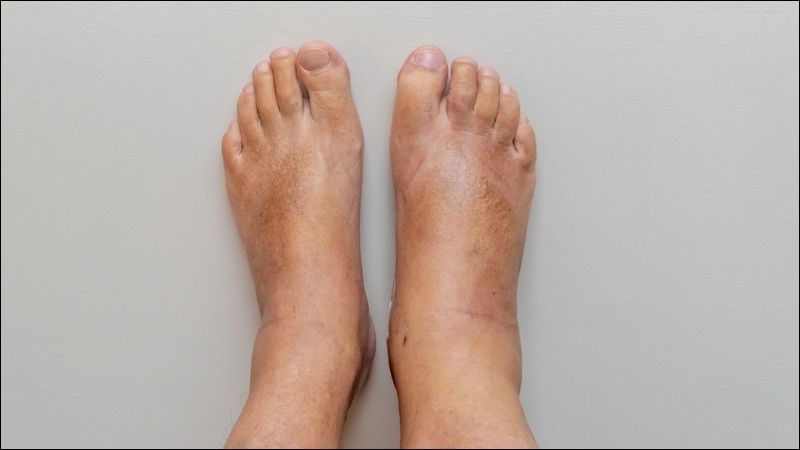
Your veins are responsible for carrying blood back to the heart. When the valves in your veins weaken, blood can pool in the legs, causing heaviness and swelling.
Watch for:
- Aching legs at the end of the day
- Visible veins or mild swelling
- Symptoms that improve when you elevate your legs
4. Vitamin Deficiencies
Low levels of certain vitamins - especially B12 can affect nerve health and lead to numbness or tingling in the legs.
5. Underlying Conditions
In some cases, these symptoms may be linked to more serious health issues, such as:
- Diabetes (nerve damage)
- Peripheral artery disease (reduced blood flow)
- Thyroid disorders
If symptoms persist or worsen, it’s important to get checked.
🚨 When Should You Be Concerned?
You should pay closer attention if:
- The numbness or tingling happens frequently
- One leg is significantly more affected than the other
- You experience pain while walking that improves with rest
- There is swelling, skin color changes, or wounds that heal slowly
These could indicate more serious circulation or nerve problems.
🛡️ How to Improve Circulation Naturally
The good news: in many cases, simple daily habits can significantly improve blood flow and reduce symptoms.
1. Move More Throughout the Day
Sitting or standing in one position for too long restricts circulation.
Try this:
- Stand up and walk every 30–60 minutes
- Stretch your legs regularly
- Avoid crossing your legs for long periods
2. Elevate Your Legs
Raising your legs above heart level helps blood flow back toward the heart, reducing pressure in the veins.
3. Stay Hydrated
Proper hydration keeps blood flowing smoothly and prevents it from becoming too thick.
4. Exercise Regularly
Activities like walking, cycling, or swimming improve circulation and strengthen the cardiovascular system.
5. Improve Your Diet
Focus on foods that support blood flow:
- Leafy greens (rich in nitrates)
- Fruits high in antioxidants
- Healthy fats (like nuts and seeds)
Limit processed foods, excess salt, and sugar.
6. Wear Supportive Footwear
Shoes that restrict movement or lack support can worsen circulation problems in the legs.
7. Try Massage or Warm Therapy
Gentle massage or warm compresses can stimulate blood flow and relax tight muscles.
8. Avoid Smoking
Smoking damages blood vessels and significantly reduces circulation. Cutting it out can have immediate benefits.
💡 What Your Body Is Trying to Tell You
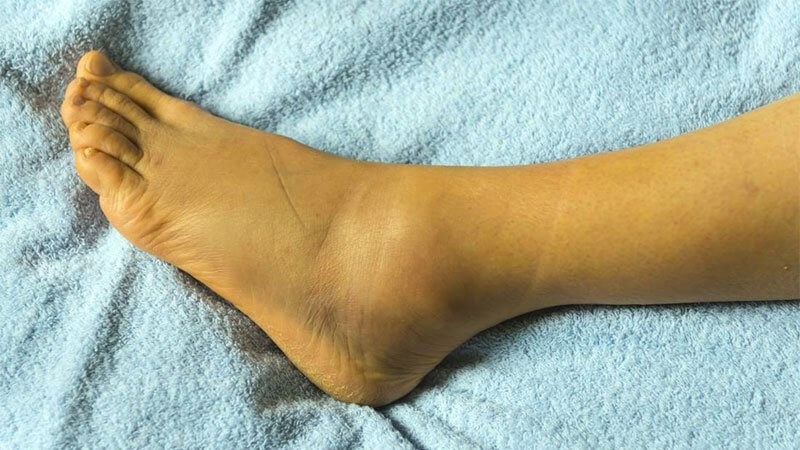
When your legs feel heavy, cold, or numb, it’s rarely random. It’s often a signal that:
- Your circulation needs improvement
- Your nerves are under stress
- Your lifestyle habits may need adjustment
Ignoring these signs can lead to more serious issues over time.
🧠 Final Thoughts
Your legs carry you through life literally. When they start sending warning signals, it’s worth paying attention.
The good news is that in many cases, improving circulation doesn’t require drastic changes. Small, consistent habits - like moving more, eating better, and staying hydrated can make a noticeable difference.
If symptoms persist or worsen, don’t hesitate to seek professional advice. Early action is always easier than long-term treatment.