1. Boost circulation by staying active daily
Physical movement is the fastest way to increase blood flow. When your muscles contract, they push blood back toward the heart.
Walking 20–30 minutes a day, stretching, or doing gentle yoga can significantly reduce cold extremities and heaviness in the legs.
People with desk jobs should stand up every hour to walk or stretch lightly.
2. Elevate your legs to reduce blood pooling
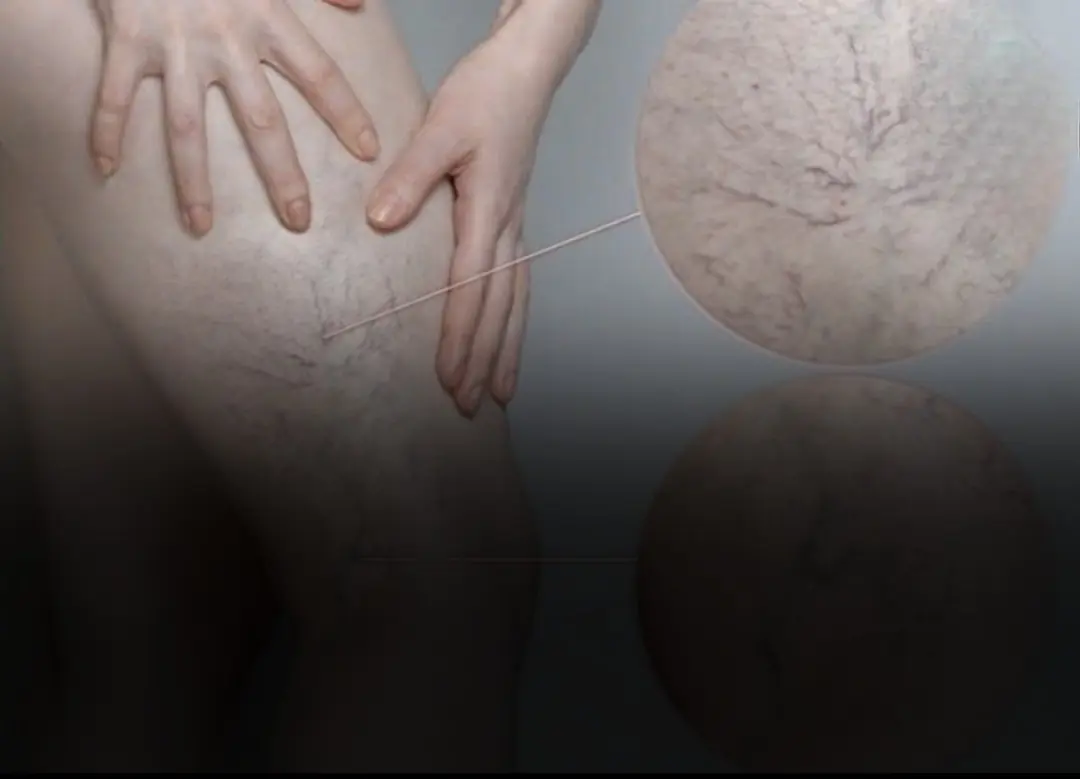
Varicose veins often develop when blood collects in the lower legs due to gravity.
Try raising your feet above heart level for 15 minutes each evening. This simple habit improves venous return, reduces swelling, and relieves tension in the calves.
3. Add circulation-friendly foods to your diet
Certain foods help thin the blood naturally and support vascular health.
The most beneficial include garlic, ginger, turmeric, dark leafy vegetables, fish rich in omega-3, and berries.
These ingredients reduce inflammation and help arteries stay flexible, especially for people with chronic cold hands and feet.
4. Stay well-hydrated throughout the day
Dehydration makes blood thicker and harder to circulate.
Aim for 1.5–2 liters of water daily. Warm water is particularly helpful because it increases blood flow and soothes stomach muscles.
People who frequently experience dizziness when standing may notice improvement after maintaining proper hydration.
5. Massage the legs and feet to stimulate blood flow
Gentle massage can help break up tension in the muscles and encourage smoother circulation.
Focus on the calves, ankles, and thighs using warm oil, peppermint balm, or rosemary, which naturally stimulates the vessels.
Massaging for 10 minutes before bed also helps reduce nighttime cramps.
6. Avoid sitting or standing in one position for too long
Remaining still for hours slows circulation dramatically and worsens varicose veins.
If you stand for long periods, shift your weight from leg to leg and take short walking breaks.
If you sit for work, keep your knees slightly lower than your hips and avoid crossing your legs, which restricts blood flow.
When to Seek Medical Attention
You should visit a doctor if you notice:
-
Persistent swelling in the legs
-
Veins that become darker, bulging, or painful
-
Numbness or severe coldness in the feet
-
Skin discoloration or ulcers around the ankles
These could indicate chronic venous insufficiency, deep vein issues, or circulatory disorders needing treatment.