⚠️ When a Simple Mark Isn’t So Simple
You wake up, glance at your arm or leg, and suddenly notice a bruise — dark, tender, and completely unfamiliar. You pause for a moment, trying to remember if you bumped into something. Nothing comes to mind.
It’s easy to dismiss these marks as harmless. After all, bruises happen. But when they appear frequently, unexpectedly, or without clear cause, your body may be trying to send you a message.
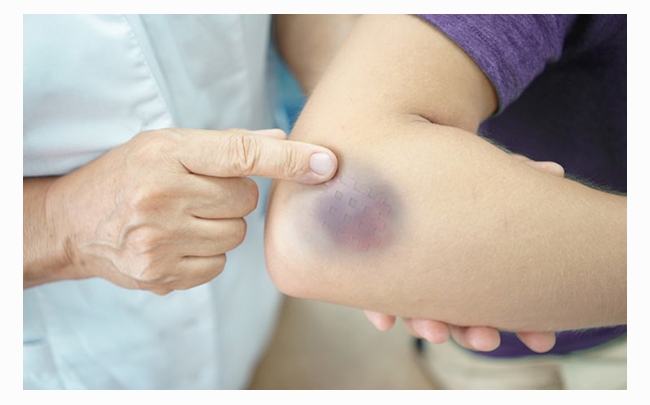
🩸 What Is a Bruise, Really?
A bruise forms when small blood vessels under the skin break and leak blood into surrounding tissues. This typically happens after an impact — even a minor one you might not remember.
As the body heals, the bruise changes color:
- Purple or blue (fresh)
- Green or yellow (healing)
- Brown or faded (recovery stage)
This is completely normal.
But unexplained bruising? That’s where things get interesting.
🔍 1. You Might Be More Fragile Than You Think
Sometimes, the explanation is surprisingly simple.
As people age, or due to certain skin conditions, the skin becomes thinner and blood vessels more fragile. This makes bruising easier — even from very minor contact.
Possible causes:
- Aging skin
- Sun damage
- Lack of protective fat under the skin
👉 You might not even notice the small bumps that cause bruises.
🥗 2. Nutrient Deficiencies Could Be the Hidden Trigger
Your body relies on essential nutrients to maintain strong blood vessels and proper clotting.
A lack of certain vitamins can make bruising more likely:
- Vitamin C deficiency → weaker blood vessel walls
- Vitamin K deficiency → poor blood clotting
- Iron deficiency → may affect overall blood health
Signs to watch for:
- Frequent bruises
- Fatigue
- Pale skin
👉 Your diet might be telling the real story.

💊 3. Medications That Thin the Blood
Some medications can increase your tendency to bruise, even without injury.
Common examples include:
- Blood thinners
- Aspirin
- Certain anti-inflammatory drugs
These medications reduce your blood’s ability to clot, making even minor impacts lead to visible bruising.
👉 If you’ve recently started new medication, this could be a key clue.
🧬 4. Underlying Health Conditions
In some cases, unexplained bruising may be linked to more serious conditions.
These may include:
- Blood clotting disorders
- Liver disease
- Platelet abnormalities
While these are less common, they should not be ignored — especially if bruises:
- Appear frequently
- Are unusually large
- Occur in unusual areas
👉 This is when medical attention becomes important.
⚡ 5. Hormonal Changes and Stress
Hormonal fluctuations can also affect how easily your body bruises.
For example:
- Women may notice more bruising during certain phases of the menstrual cycle
- Chronic stress may weaken the body’s repair mechanisms
👉 Your internal balance plays a bigger role than you might expect.
🚨 When Should You Be Concerned?
Not all bruises are harmless.
You should pay closer attention if:
- Bruises appear without any known cause
- They happen frequently or suddenly increase
- They take a long time to heal
- You experience other symptoms (fatigue, bleeding, dizziness)
👉 When in doubt, it’s always better to check.
🛡️ How to Support Your Body
If you’re noticing unexplained bruising, small lifestyle changes can help:
- Maintain a balanced diet rich in vitamins
- Stay hydrated
- Protect your skin from unnecessary impact
- Monitor any medications you’re taking
And most importantly - listen to your body.

🌱 Final Thoughts
A bruise might seem like a small, insignificant mark - but sometimes, it’s more than that. It can be a subtle signal, a quiet reminder that something inside your body needs attention.
Most of the time, the cause is harmless. But occasionally, it’s your body’s way of asking you to look a little closer.
So the next time you notice a bruise that seems to come out of nowhere, don’t panic - just pay attention.