Warning: These Overlooked Symptoms May Signal Late-Stage Nasopharyngeal Cancer
Nasopharyngeal cancer is a rare but aggressive form of cancer that develops in the nasopharynx—the upper part of the throat located behind the nose. What makes this disease particularly dangerous is not only its location, but the fact that its early symptoms are often subtle, vague, and easy to ignore.
Doctors warn that many patients are diagnosed only at a late stage, when treatment becomes more complex and survival rates decline. Recognizing the warning signs early can be lifesaving.

Why Nasopharyngeal Cancer Is Often Missed
Unlike cancers that cause obvious lumps or visible skin changes, nasopharyngeal cancer grows in a hidden area. Early symptoms frequently resemble common infections or minor throat issues, leading many people to delay medical care.
Patients often assume:
-
It is just a sore throat
-
It is seasonal allergies
-
It is a lingering cold or sinus infection
Unfortunately, this delay allows the disease to progress silently.
Key Warning Symptoms That Require Immediate Attention
Medical experts emphasize that the combination and persistence of symptoms is more important than any single sign.
Seek medical care immediately if you notice:
-
Persistent sore throat that does not improve after several weeks
-
Difficulty or pain when swallowing
-
A constant feeling of something stuck in the throat
-
Unexplained lumps or swelling in the neck, often painless
-
Chronic nasal congestion on one side
-
Frequent nosebleeds without clear cause
-
Hearing loss or ringing in one ear
-
Facial numbness or headaches that worsen over time
These symptoms may appear gradually and worsen slowly, which is why they are so often ignored.
The Danger of Late-Stage Diagnosis
When nasopharyngeal cancer is diagnosed late, it may have already:
-
Spread to nearby lymph nodes
-
Invaded surrounding tissues
-
Affected nerves and hearing structures
At advanced stages, patients may experience:
-
Severe throat pain
-
Significant weight loss
-
Voice changes
-
Breathing difficulties
Doctors stress that late-stage disease is far harder to treat, often requiring aggressive combinations of radiation, chemotherapy, and prolonged recovery.

Who Is at Higher Risk
While nasopharyngeal cancer can affect anyone, certain factors increase risk:
-
Family history of the disease
-
Long-term exposure to smoke or pollutants
-
Diets high in salted or preserved foods
-
Chronic viral infections
-
Living in regions where the disease is more common
However, doctors caution that absence of risk factors does not guarantee safety. Many patients have no clear warning signs until symptoms appear.
Why Throat Pain Should Never Be Ignored
A sore throat is common—but a sore throat that does not heal is not normal.
Doctors recommend seeing a specialist if throat discomfort:
-
Persists longer than three weeks
-
Worsens instead of improving
-
Is accompanied by neck swelling or hearing changes
Early examination using endoscopy and imaging can detect abnormalities before they become life-threatening.
Early Detection Saves Lives
When diagnosed early, nasopharyngeal cancer is highly treatable. Early-stage patients often respond well to targeted radiation therapy and have significantly better outcomes.
The problem is not lack of treatment—it is late recognition.
Healthcare professionals emphasize that:
-
Listening to your body matters
-
Persistent symptoms are not harmless
-
Seeking care early is not overreacting
The Bottom Line
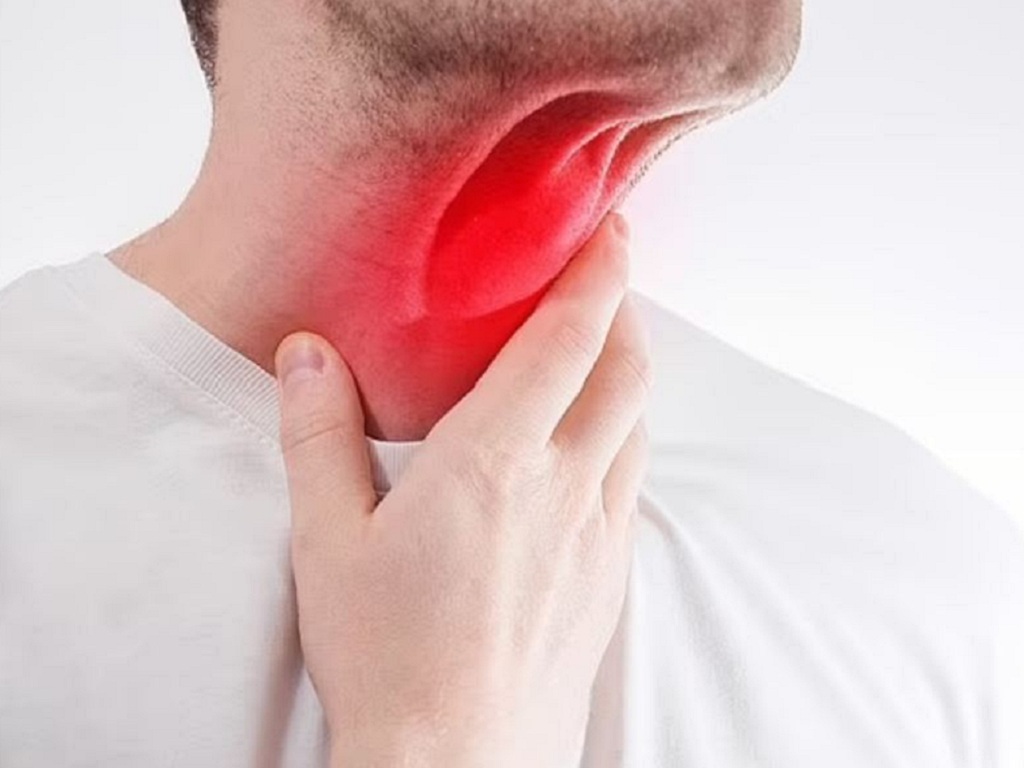
Nasopharyngeal cancer does not always announce itself loudly. Instead, it often whispers—through subtle throat discomfort, unexplained neck swelling, or changes in hearing.
Ignoring these signs can be deadly. Acting on them can save a life.
If symptoms persist, worsen, or feel unusual, do not wait. Early medical evaluation can make the difference between manageable treatment and a life-threatening diagnosis.