Why Does Vaginal Odor Turn “Sour”? — 4 Real Causes (No Scare Tactics)
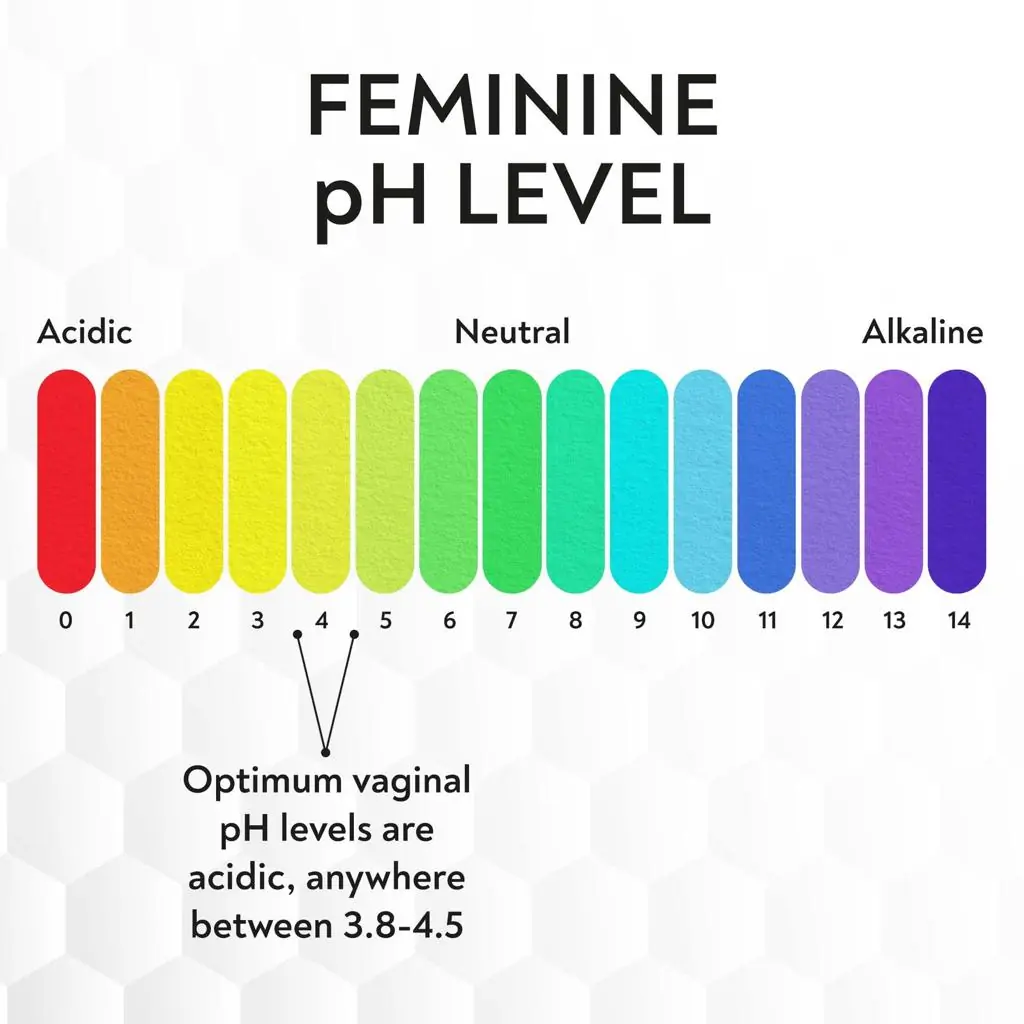
First thing: a mild, slightly tangy/acidic smell is normal. The vagina maintains a naturally acidic environment (low pH) to protect itself.
What matters is a noticeable change—strong, persistent, or accompanied by other symptoms.
🧠 What Controls Vaginal Odor?
6
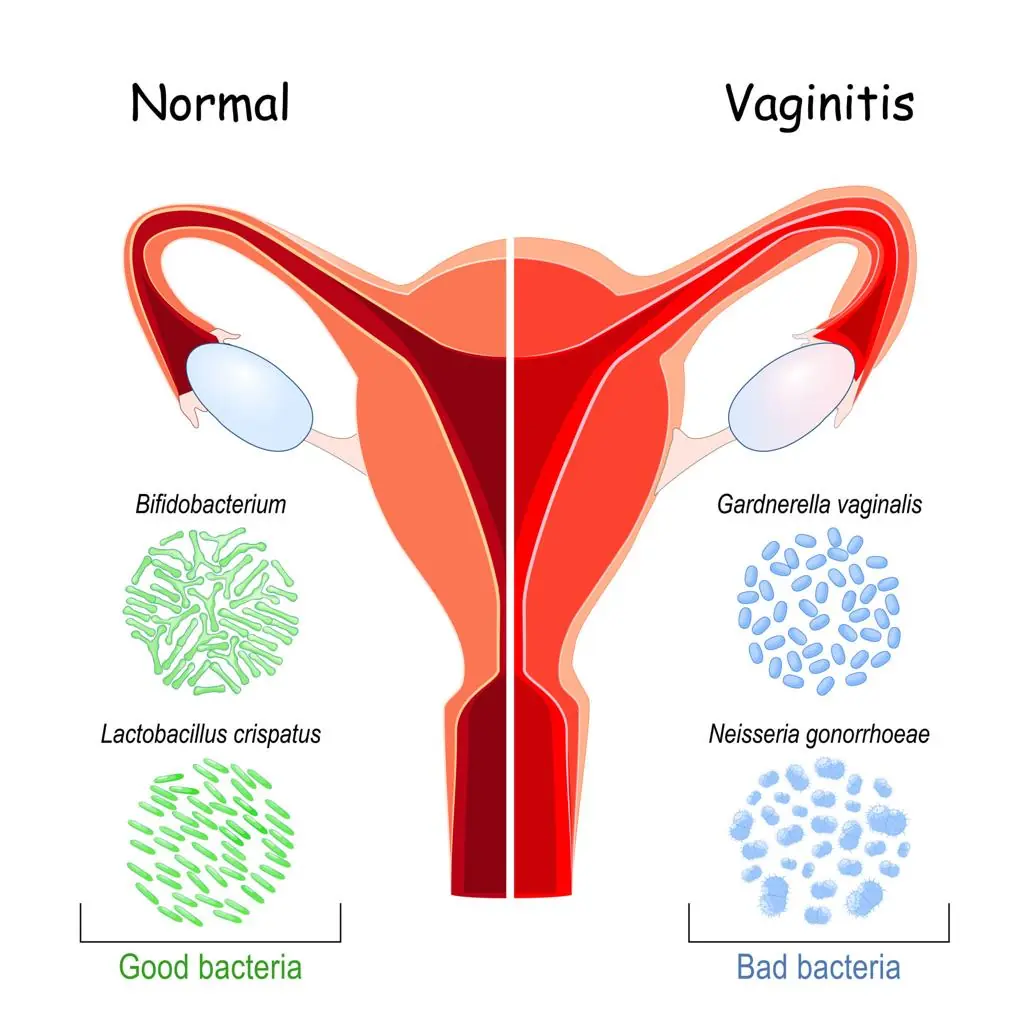
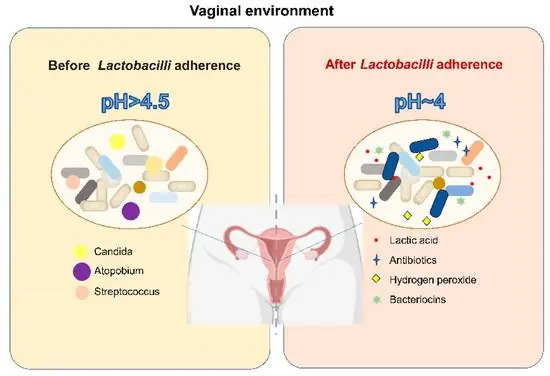
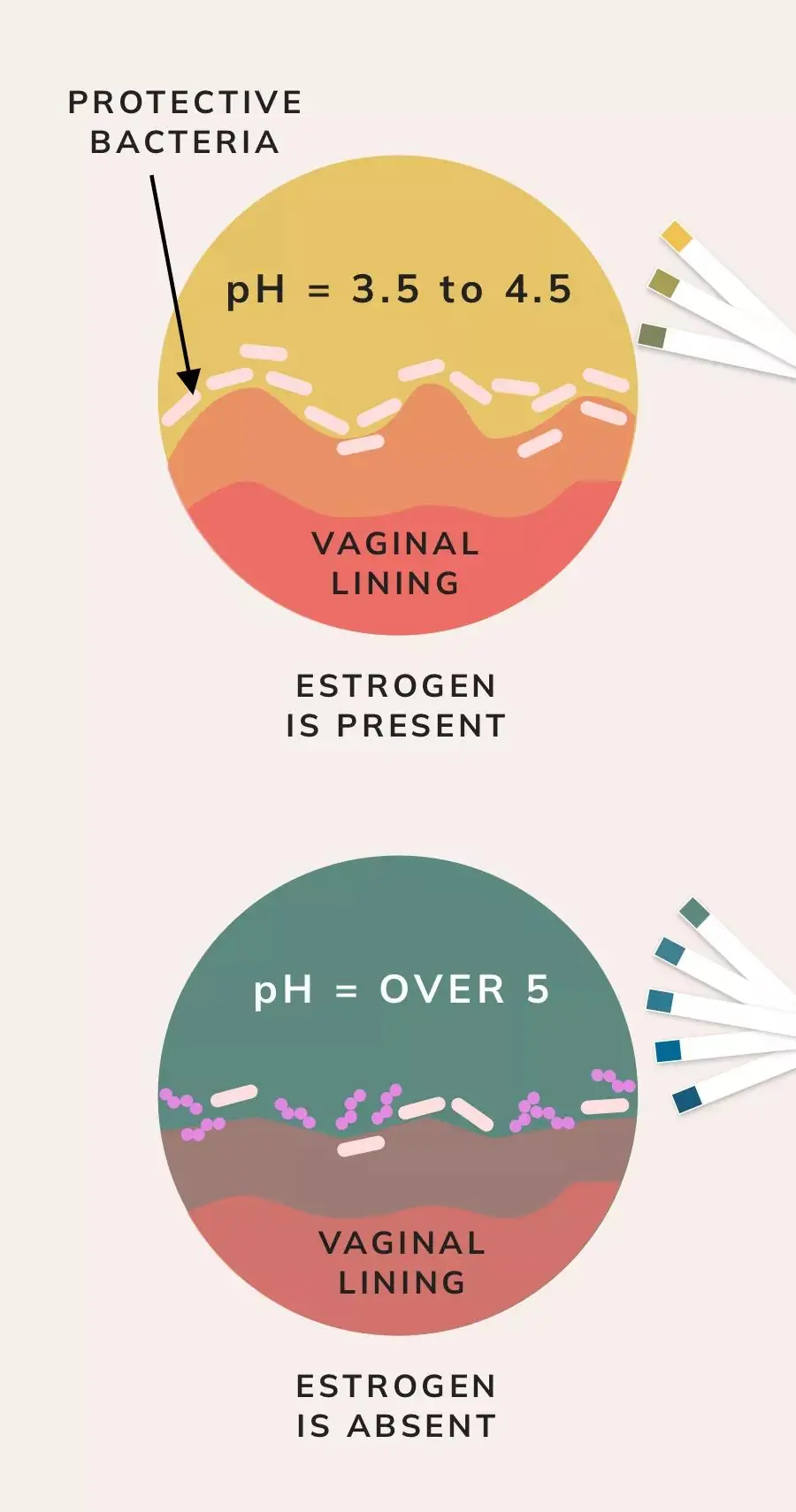
A healthy vagina is dominated by Lactobacillus bacteria, which:
- Keep pH acidic (around 3.8–4.5)
- Prevent harmful bacteria from overgrowing
When this balance shifts → odor changes.
⚠️ 4 Common Reasons for a Sour or Unusual Smell
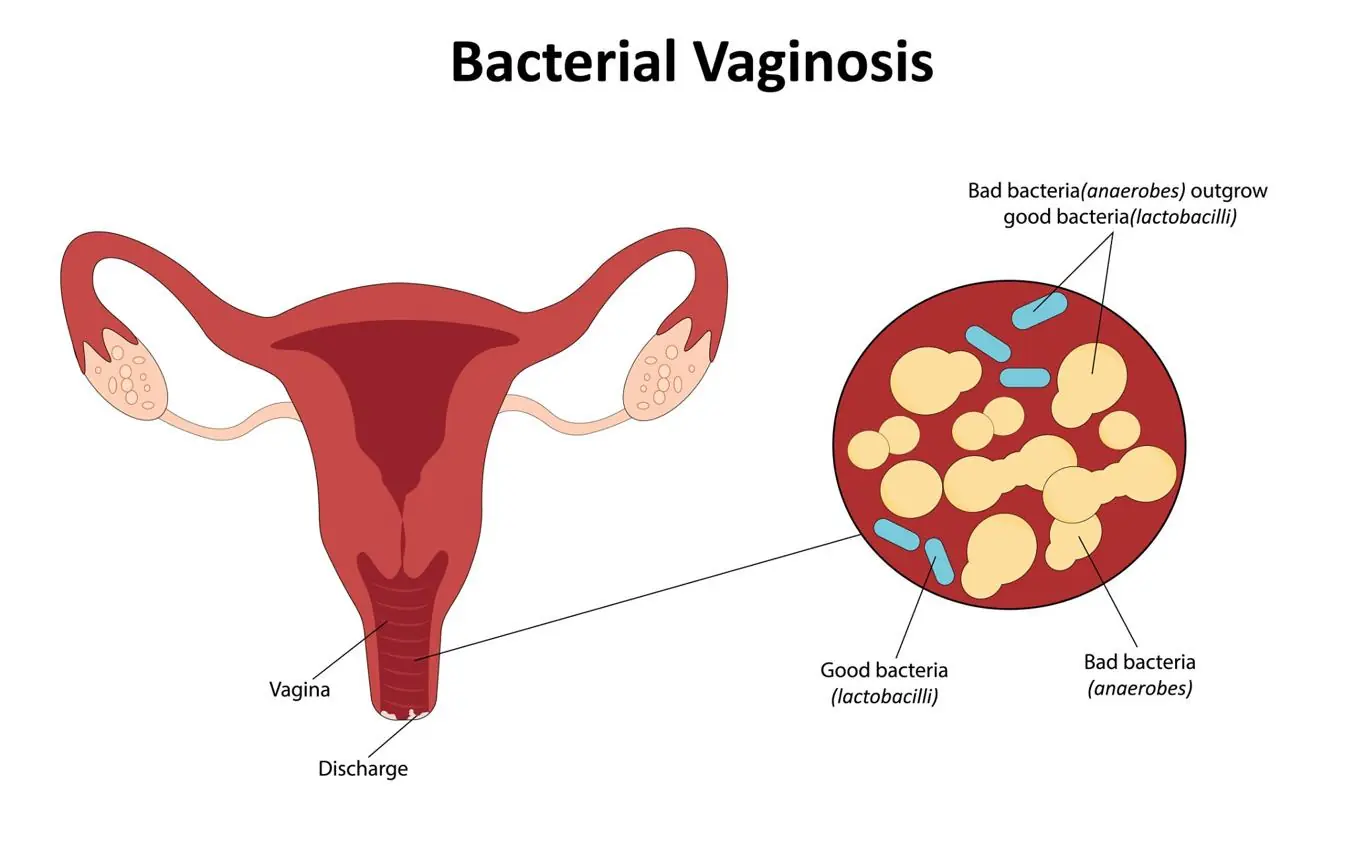
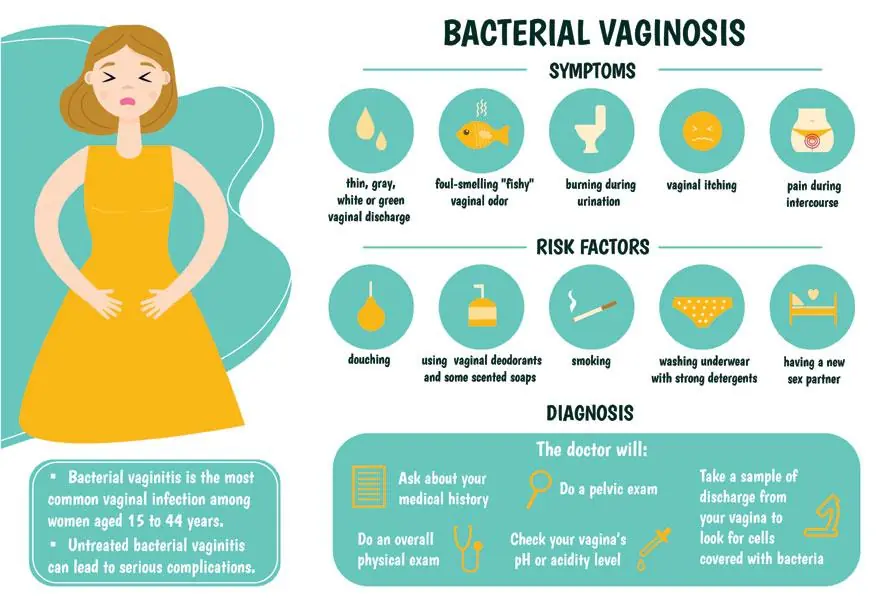
1. Bacterial Vaginosis (BV)
5
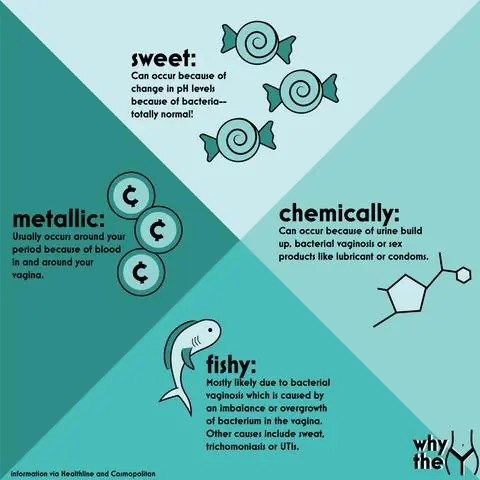
This is the most common cause of unusual odor.
Signs:
- Strong “fishy” smell (often after sex)
- Thin gray/white discharge
👉 Not dangerous, but needs treatment.
2. Poor pH Balance (Overwashing or Douching)



6
Too much cleaning = problem.
- Harsh soaps
- Vaginal douching
👉 Kill good bacteria → imbalance → odor
3. Sweat & Tight Clothing



6
Warm + moist environment = bacteria growth
Common triggers:
- Tight underwear
- Staying in sweaty clothes too long
4. Hormonal Changes

6
Hormones affect pH and bacteria balance.
When it happens:
- Before/after period
- Pregnancy
- Menopause
🚨 When It’s NOT Normal
Get checked if you notice:
- Strong fishy or foul odor
- Green, yellow, or gray discharge
- Itching, burning, or irritation
- Pain during urination or sex
👉 These are signs of infection, not just “normal smell”
💡 What Actually Helps
- Wash externally only (no douching)
- Use mild, unscented products
- Wear breathable cotton underwear
- Change out of wet/sweaty clothes quickly
- Keep a balanced diet & hydration
✨ Real Talk
Your body isn’t supposed to smell like perfume.
“Slightly sour” = often normal.
The problem is when:
👉 It’s strong, persistent, and different from your usual
🧠 Final Take
Don’t panic over normal body odor.
But don’t ignore real changes either.
Know your baseline → spot what’s actually wrong.
What Your Vaginal Odor May Be Telling You: Understanding the Details
Vaginal odor is not a fixed characteristic. It can change throughout the month, depending on hormonal fluctuations, menstrual bleeding, sexual activity, sweating, and the balance of microorganisms living in the vagina.
That is why noticing a different smell does not automatically mean something is wrong.
However, understanding the difference between normal variation and a possible infection can help you make better decisions about your intimate health.
Let's look more closely at what may influence vaginal odor and when it deserves medical attention.
1. Your Menstrual Cycle Can Change Your Natural Scent
One of the most common reasons vaginal odor changes is the menstrual cycle.
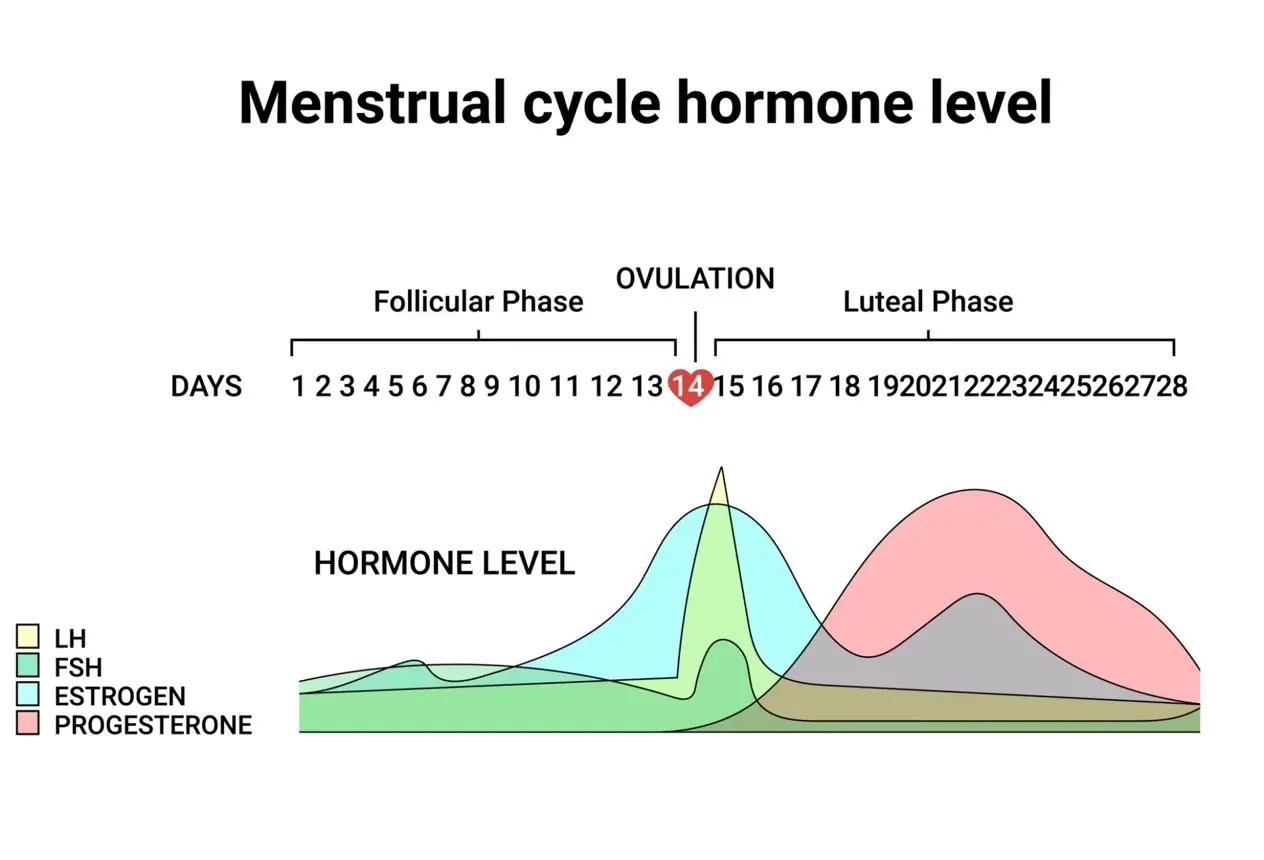
Hormone levels fluctuate throughout the month, affecting vaginal discharge, cervical mucus, and the environment in which vaginal bacteria live.
During menstruation, blood can temporarily change the smell of vaginal secretions.
Menstrual blood contains iron and other substances that may produce a slightly metallic scent. As blood mixes with normal vaginal discharge, the overall odor may become more noticeable.
After your period, you may also notice a temporary change in scent as the vagina returns to its usual balance.
This is generally not a reason for concern if there are no other symptoms.
What Happens Around Ovulation?
Around ovulation, estrogen levels rise and cervical mucus often becomes clearer, wetter, and more slippery.
Some women notice an increase in vaginal discharge during this period.
The increased moisture may make the natural scent more noticeable, especially after exercise or during hot weather.
This does not necessarily indicate an infection.
What About Before Your Period?
Hormonal changes before menstruation can influence vaginal discharge and the balance of vaginal microorganisms.
Some women notice that their usual scent becomes slightly stronger or different in the days before their period.
The important point is to recognize your own normal pattern.
If the odor becomes strongly unpleasant, persists after menstruation, or occurs with itching, burning, unusual discharge, or pelvic pain, it is worth getting checked.
2. Pregnancy Can Change Vaginal Discharge and Odor
Pregnancy brings significant hormonal changes.
Estrogen levels increase, blood flow to the pelvic area rises, and vaginal secretions may become more abundant.
Many pregnant women notice more white or milky discharge than usual.
This is often called leukorrhea. It is generally thin, mild-smelling, and not accompanied by itching or irritation.
The increased discharge is part of the body's normal response to pregnancy.
However, pregnancy does not make every unusual odor normal.
A strong fishy smell, unpleasant odor, green or yellow discharge, itching, or burning may indicate an infection that needs medical assessment.
Pregnant women should not attempt to treat suspected vaginal infections with home remedies or leftover medication.
Certain infections can affect pregnancy outcomes, and appropriate diagnosis and treatment are important.
If you are pregnant and notice a sudden change in discharge or odor, contact your maternity care provider.