Integrative Approaches to Modern Wellness: Nutrition, Environment, and Systemic Healing
Contemporary health research is increasingly uncovering how specific dietary interventions and environmental factors can profoundly impact systemic well-being. By bridging the gap between clinical science and natural therapies, these findings offer actionable pathways to manage chronic conditions, from gastrointestinal disorders to oncological risks.
1. Targeted Nutritional Interventions for Gut and Joint Health
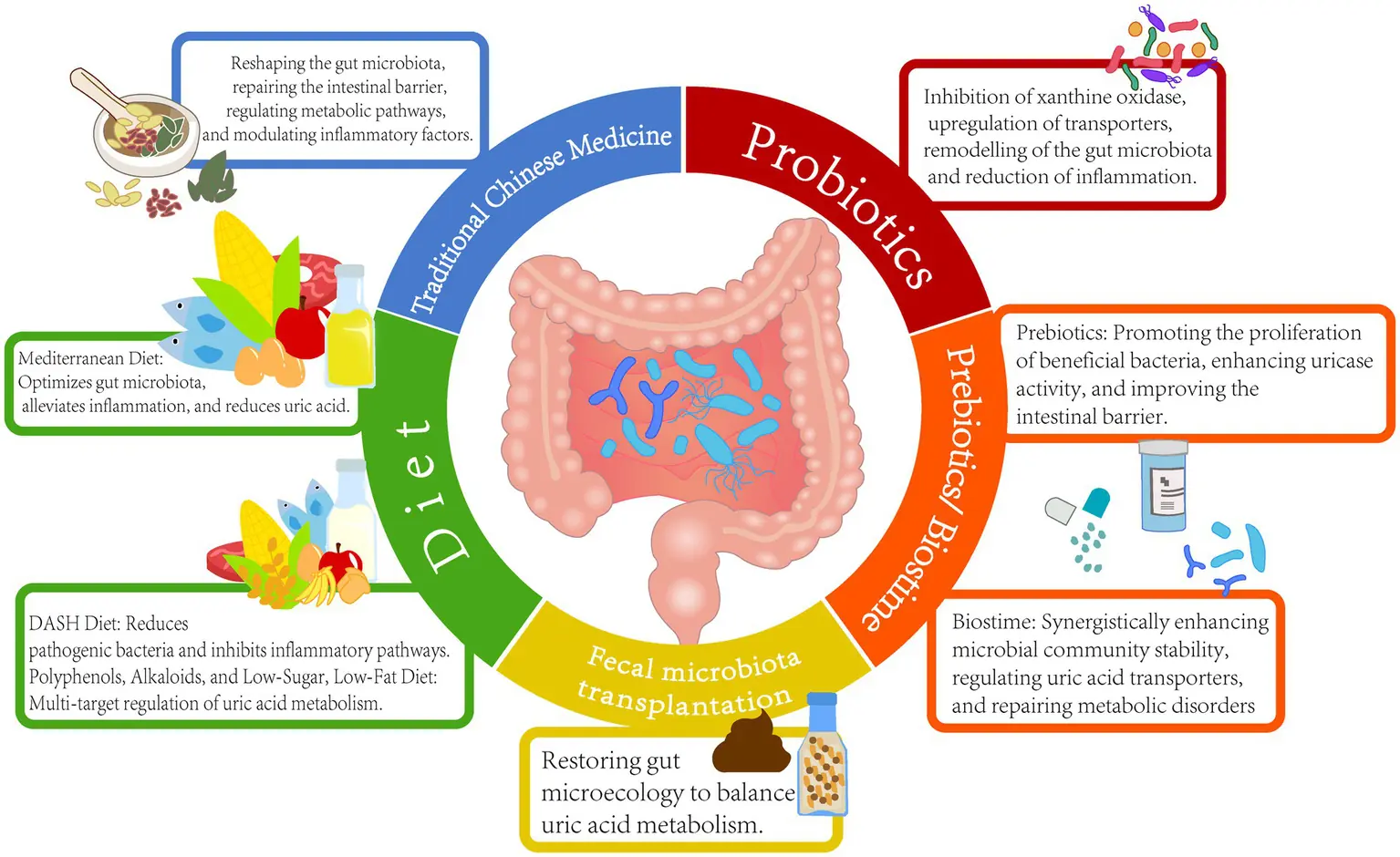
The integrity of the body’s internal barriers is a cornerstone of systemic health. Recent data highlights how targeted nutrients can rapidly restore these systems:
-
Leaky Gut and Roasted Garlic: Intestinal permeability, or "leaky gut," occurs when the tight junction proteins between intestinal cells break apart due to inflammation. Roasted garlic has been shown to reverse leaky gut caused by chemical colitis in just 3 weeks by restoring these essential proteins.
-
Glutamine and IBS Relief: For those suffering from Irritable Bowel Syndrome (IBS), oral glutamine supplementation has proven highly effective. A daily dose of 15 grams for 8 weeks reduced symptom severity by approximately 40%, dropping average scores from ~301 to ~181.
-
Joint Recovery with NEM: Chronic joint discomfort can be addressed through Natural Eggshell Membrane (NEM). Taking 500 mg of NEM daily has been shown to significantly reduce knee osteoarthritis pain and stiffness in just 10 days.
2. Maternal Health and Long-Term Neurodevelopment

Prenatal nutrition serves as a fundamental blueprint for a child’s neurological future. Emerging research highlights the specific role of seafood in this developmental stage:
-
Autism Risk Reduction: In a study cohort of approximately 4,000 pregnancies, consuming fish during pregnancy was associated with a lower likelihood of an Autism Spectrum Disorder (ASD) diagnosis. This protective effect was observed even with a consumption level of less than one serving per week.
-
The Power of Omega-3s: The biological potency of fish-derived nutrients is further demonstrated by a case study involving a Harvard- and Oxford-trained researcher who consumed 1,000 sardines in 30 days. His Omega-3 levels rose so significantly that they matched those typically found in dolphin blood.
3. Systemic Risks: Inflammation, Oral Health, and Cancer
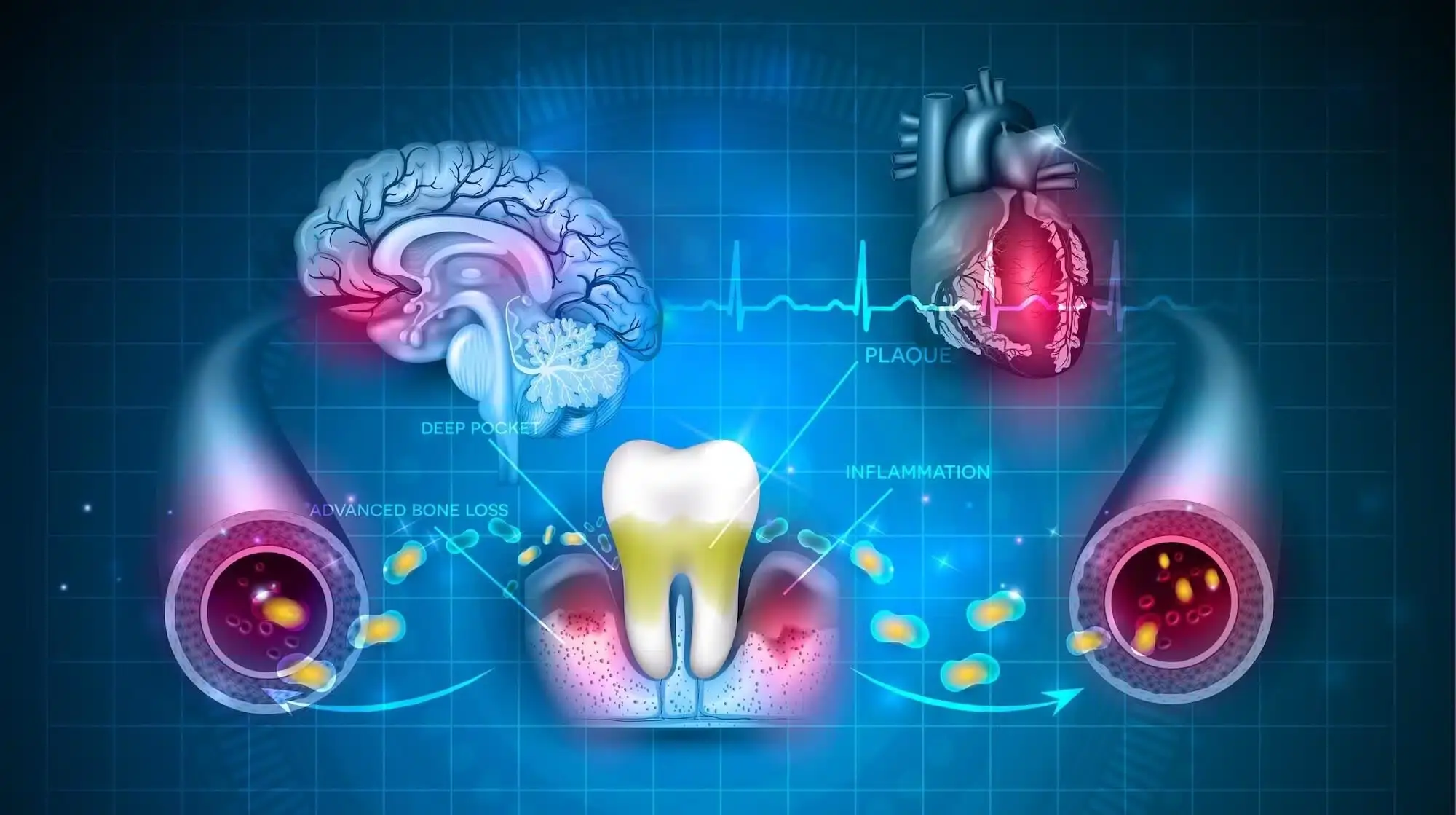
The interconnectedness of the body means that localized issues can have systemic consequences, while broad dietary patterns provide defensive shields:
-
The Mouth-Heart Connection: Treating gum disease is no longer just about dental health; studies suggest it could reduce the risk of heart attacks and strokes.
-
Olive Oil and Breast Cancer: Dietary fats significantly influence oncological risk. Women consuming more than 3 tablespoons (~40–45 grams) of olive oil per day showed a significantly lower risk of certain breast cancer subtypes. The strongest reduction was seen in HER2-negative tumors, with an approximately 46% lower risk.
-
Yogurt and Inflammation: Yogurt consumption has been linked to significantly reduced levels of TNF-A, a protein that activates inflammation and is associated with arthritis, asthma, and cardiovascular disease.
4. Environmental Bio-Frequencies in Cellular Health
Innovative biophysical research suggests that our biological systems respond to the Earth's natural electromagnetic environment:
-
The Schumann Resonance: Scientists found that exposing cancer cells to a very weak electromagnetic field at 7.83 Hz—the Earth's natural frequency—slowed their growth. This indicates that aligning human biology with natural environmental frequencies may have untapped therapeutic potential.
Summary of Therapeutic Strategies
InterventionDosage/FrequencyPrimary BenefitNatural Eggshell Membrane500 mg daily Reduced joint pain in 10 days Olive Oil>3 tablespoons daily 46% lower HER2-negative cancer risk Oral Glutamine15 g daily 40% reduction in IBS severity Roasted GarlicDietary inclusion Restoration of gut barrier in 3 weeks
Integrative Approaches to Modern Wellness: Nutrition, Environment, and Systemic Healing
Exploring the Science Behind Gut Health, Inflammation, Maternal Nutrition, and Environmental Influences
5. The Gut Microbiome: A Hidden Regulator of Overall Health
The human digestive system is home to trillions of microorganisms, including bacteria, fungi, and other microscopic organisms. Together, they form the gut microbiome, a complex ecosystem that influences digestion, immune function, metabolism, and several other biological processes.
For many years, the gut was viewed primarily as an organ responsible for breaking down food and absorbing nutrients. Modern research has revealed a much broader role. The microorganisms living in the intestines interact with the immune system, produce substances that influence inflammation, and help maintain the protective lining of the digestive tract.
A balanced gut microbiome supports the production of short-chain fatty acids, including butyrate, acetate, and propionate. These compounds are produced when certain beneficial bacteria ferment dietary fiber. Butyrate, in particular, serves as an important energy source for cells lining the colon and contributes to the maintenance of intestinal barrier function.
When the microbial community becomes disrupted, a condition often described as dysbiosis, the balance between beneficial and potentially harmful microorganisms may change. This disruption has been associated with several conditions, including inflammatory bowel disease, metabolic disorders, and certain immune-related conditions.
However, it is important to distinguish association from causation. Researchers are still investigating whether microbiome changes directly contribute to these diseases, occur as a consequence of them, or reflect a combination of biological and environmental influences.
One practical way to support a diverse gut microbiome is to consume a wide variety of plant-based foods. Vegetables, fruits, beans, lentils, nuts, seeds, and whole grains provide different types of dietary fiber that nourish intestinal microorganisms.
Fermented foods such as yogurt, kefir, and certain fermented vegetables may also contribute beneficial microorganisms to the diet. Their effects vary depending on the product, preparation method, and individual digestive health.
Rather than searching for one miracle ingredient, a consistent dietary pattern rich in fiber and minimally processed foods is a more reliable foundation for digestive health.
6. Understanding Intestinal Permeability and the So-Called Leaky Gut
The intestinal lining is one of the body's most important protective barriers. It allows nutrients, water, and electrolytes to enter the bloodstream while limiting the passage of harmful microorganisms and unwanted substances.
This barrier is maintained by specialized intestinal cells connected through structures known as tight junctions. These connections regulate how substances move between cells.
When the intestinal barrier becomes impaired, intestinal permeability may increase. This phenomenon is sometimes described as "leaky gut."
Increased intestinal permeability has been studied in connection with inflammatory bowel disease, celiac disease, certain infections, and other gastrointestinal conditions. It may also play a role in some metabolic and immune-related disorders.
However, the term "leaky gut syndrome" is frequently used in commercial wellness marketing to describe a wide range of nonspecific symptoms. There is currently no universally accepted diagnostic test or established clinical definition for a standalone condition called leaky gut syndrome.
This distinction matters because digestive discomfort, fatigue, bloating, and food sensitivities can have many different causes. They should not automatically be attributed to intestinal permeability.
The research involving roasted garlic and intestinal barrier function is an interesting example of how natural compounds may influence biological processes. Garlic contains sulfur-containing compounds and other substances that have demonstrated antioxidant and anti-inflammatory properties in laboratory research.
Some experimental studies have investigated whether garlic-derived compounds can influence intestinal inflammation and tight junction proteins. Findings from animal models, however, cannot establish that eating roasted garlic reverses intestinal permeability in humans within a specific period.
Human clinical trials are needed to determine which preparations, amounts, and treatment durations may provide meaningful benefits.
For everyday digestive health, practical steps include eating adequate fiber, identifying foods that consistently trigger symptoms, avoiding unnecessary antibiotic use, and seeking medical assessment for persistent diarrhea, unexplained weight loss, blood in the stool, or ongoing abdominal pain.
7. Glutamine and Its Role in Intestinal Function
Glutamine is an amino acid that plays several important roles in the body. It is used by immune cells and serves as an important energy source for rapidly dividing cells, including cells that line the digestive tract.
During periods of physical stress, serious illness, or tissue injury, the body's demand for glutamine may increase.