The Science of Puzzle-Solving:
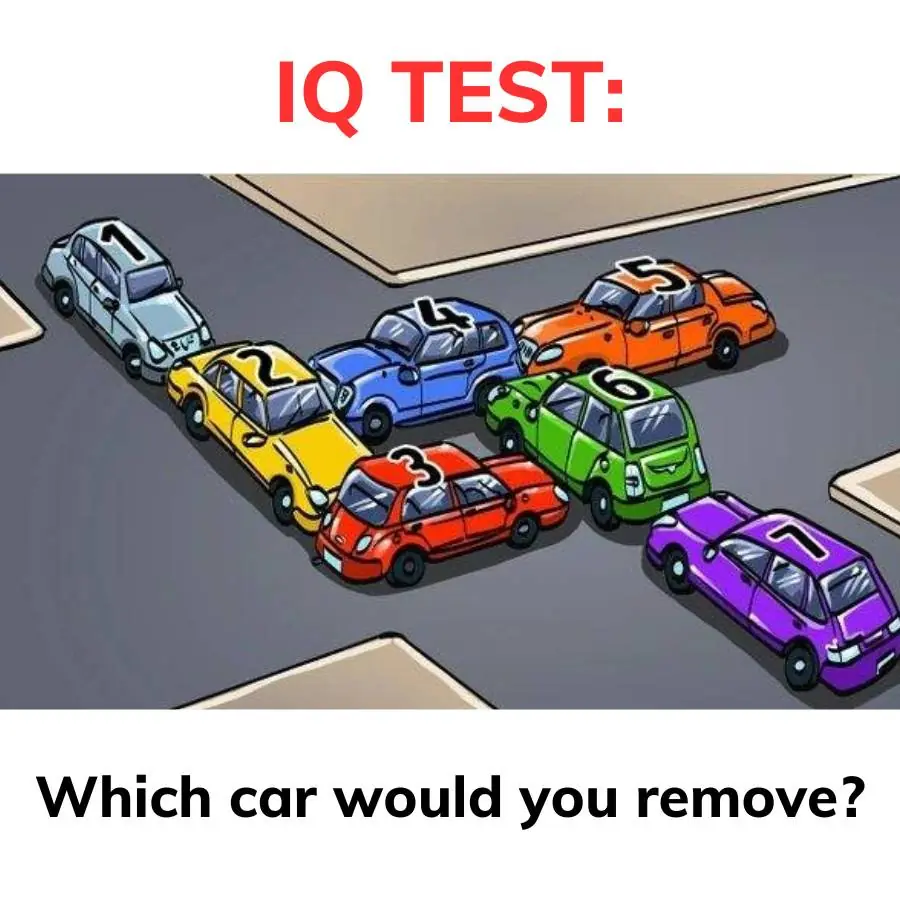
Why We Love These Challenges Puzzles like this are popular because they engage our brains in problem-solving. They require spatial awareness, logic, and the ability to look at the bigger picture. The sense of satisfaction we feel when we finally crack the code-such as figuring out which car needs to be removed-keeps us coming back for more. By encouraging lateral thinking, puzzles offer benefits such as:
• Improved cognitive skills: They sharpen your mind by forcing you to think critically.
• Stress relief: Solving puzzles is a great way to unwind and challenge yourself in a fun, low-pressure environment.
• Enhanced problem-solving abilities: They boost your capacity to identify solutions to real-world challenges by
Practical Applications of Puzzle Thinking:
Although this puzzle may seem like a fun, hypothetical challenge, the problem-solving skills you develop can have real-life applications. For example, the logic used here can be transferred to everyday tasks such as:
• Traffic management: Understanding which car should move first is a small-scale example of how cities manage actual traffic flow.
• Project management: Just like in this puzzle, identifying bottlenecks and removing obstacles can help teams and projects run more smoothly.
• Conflict resolution: Sometimes, resolving an issue involves removing or addressing the root cause of a problem, just like taking out the third car unblocks the jam.
Conclusion: Solving the Traffic Jam Puzzle:
So, if you were ever stumped by this puzzle, now you know the secret: removing the third car clears the path for the rest of the vehicles, solving the gridlock. Next time you're faced with a tricky scenario-whether it's a real-life traffic jam or just another brain teaser-remember to look closely at each element and think strategically about how removing one key factor can unlock the entire situation.