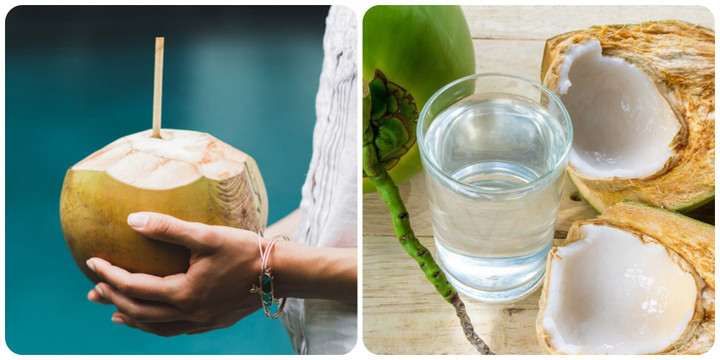
Coconut water has become a popular drink among people looking for a refreshing alternative to soda, sports drinks, and other sweetened beverages. Naturally occurring electrolytes, a mild sweetness, and its reputation as a "healthy" drink have made it especially popular after exercise and during hot weather.
But what does coconut water actually do for your kidneys?
The answer is more nuanced than many social-media claims suggest.
For most healthy people, coconut water can be part of a balanced diet and can contribute to daily fluid intake. It also contains potassium, sodium, magnesium, and other nutrients. Adequate hydration is important for normal kidney function because the kidneys need water to regulate fluid balance and eliminate waste through urine.
However, coconut water is not a kidney detox, and drinking more of it does not necessarily make your kidneys "cleaner" or healthier. In fact, people with certain kidney conditions may need to limit coconut water because of its relatively high potassium content.
Let's take a closer look.

1. Your Kidneys Need Adequate Hydration
One of the most important things you can do for normal kidney function is maintain adequate hydration.
Your kidneys continuously filter your blood and help regulate:
-
Fluid balance
-
Electrolytes
-
Blood pressure
-
Acid-base balance
-
Waste products
Water is essential for these processes.
When you're dehydrated, your urine generally becomes more concentrated, and prolonged or severe dehydration can place additional stress on the body.
Coconut water contains a large amount of water, so drinking it can contribute to your overall fluid intake.
But there's an important distinction:
Coconut water hydrates you; it doesn't have a special ability to "flush" your kidneys.
Plain water is also highly effective for maintaining hydration.
2. Coconut Water Contains Potassium
One of the most notable nutrients in coconut water is potassium.
Potassium is an essential mineral involved in:
-
Muscle contraction
-
Nerve signaling
-
Fluid balance
-
Normal heart rhythm
-
Cellular function
For healthy people with normally functioning kidneys, dietary potassium is generally an important part of a healthy diet.
The kidneys help maintain the appropriate amount of potassium in the bloodstream by controlling how much is excreted in urine.
This is where the relationship between coconut water and kidney health becomes particularly interesting.
3. Healthy Kidneys Usually Handle Dietary Potassium Well
When kidney function is normal, the kidneys can generally adjust potassium excretion according to the body's needs.
This means that drinking a moderate amount of coconut water isn't automatically a problem simply because it contains potassium.
In fact, potassium-rich foods are commonly included in healthy dietary patterns.
However, more potassium isn't always better.
The amount your body can safely handle depends partly on kidney function, medications, and other health conditions.
4. People With Kidney Disease Need to Be More Careful
This is probably the most important point about coconut water and the kidneys.
When kidney function is significantly reduced, the kidneys may have difficulty removing excess potassium from the blood.
This can lead to hyperkalemia, meaning an abnormally high blood potassium level.
Severe hyperkalemia can affect the heart and become a medical emergency.
For that reason, people with:
-
Chronic kidney disease
-
Advanced kidney failure
-
Certain kidney disorders
-
A history of high potassium
may need to limit high-potassium foods and beverages.
Coconut water can contain a substantial amount of potassium, so it should not automatically be considered a kidney-friendly drink for everyone.
If you've been told to follow a low-potassium diet, ask your doctor or renal dietitian whether coconut water fits your dietary plan.
5. Can Coconut Water Prevent Kidney Stones?
This is one of the claims you'll often see online.
The reality is more complicated.
One of the most important strategies for reducing the risk of many kidney stones is drinking enough fluids.
Adequate fluid intake increases urine volume, which can help dilute substances that may form crystals.
Because coconut water contributes fluid, it can therefore be part of an overall hydration strategy.
But that doesn't mean coconut water is a proven treatment or prevention method for every type of kidney stone.
Kidney stones can be made from different substances, including:
-
Calcium oxalate
-
Calcium phosphate
-
Uric acid
-
Struvite
-
Cystine
The appropriate prevention strategy can differ depending on the type.
6. What About Citrate?
Citrate is an interesting compound when it comes to kidney stones.
Citrate in urine can bind with calcium and may help reduce the formation of certain calcium-containing crystals.
Some research has investigated coconut water and urinary citrate, but evidence that drinking coconut water reliably prevents kidney stones in humans remains limited.
This is an important distinction.
Potentially interesting doesn't mean clinically proven.
If you have recurrent kidney stones, your doctor may recommend urine testing to determine your individual risk factors.
Treatment could involve adjusting:
-
Fluid intake
-
Sodium intake
-
Calcium intake
-
Oxalate intake
-
Animal protein
-
Citrate intake
depending on the type of stone and your metabolic profile.
7. Coconut Water Isn't a Kidney "Cleanse"
The kidneys already perform an extraordinary filtering job every day.
They remove metabolic waste and excess substances from the bloodstream while maintaining the body's fluid and electrolyte balance.
You don't need a special drink to "flush toxins" from healthy kidneys.
Claims that coconut water, lemon water, herbal drinks, or other beverages can dramatically cleanse the kidneys are often exaggerated.
A healthier way to think about coconut water is:
It's a nutritious beverage that can contribute to hydration—not a detox treatment.

8. Coconut Water May Be Useful After Sweating
Coconut water contains electrolytes, including potassium and some sodium.
This can make it appealing after activities that cause sweating.
For example, after:
-
Walking in hot weather
-
Light exercise
-
Swimming
-
Recreational sports
coconut water can provide both fluid and electrolytes.
However, for prolonged or very intense exercise, coconut water may not contain enough sodium to replace all of the sodium lost in sweat.
That's particularly relevant for endurance athletes.
For everyday exercise, plain water is usually sufficient for many people.
9. Watch the Added Sugar
Not every coconut-water product is identical.
Some products are essentially coconut water with no added sugar.
Others may contain:
-
Added sugar
-
Fruit juice
-
Flavorings
-
Other sweeteners
If you're drinking coconut water regularly, check the nutrition label.
For everyday hydration, an unsweetened product is generally the better choice.
This is particularly important if you're trying to manage:
-
Blood glucose
-
Body weight
-
Total calorie intake
10. Coconut Water and Blood Pressure
Potassium is also relevant to blood pressure.
Adequate potassium intake can help support healthy blood pressure, particularly as part of a dietary pattern that isn't excessively high in sodium.
Coconut water can contribute some potassium, but it should not be viewed as a treatment for hypertension.
If you have high blood pressure, the bigger picture matters much more:
-
Reduce excessive sodium
-
Eat plenty of vegetables and fruit when appropriate
-
Maintain a healthy weight
-
Exercise regularly
-
Avoid smoking
-
Limit excessive alcohol
-
Take prescribed medication as directed
A single beverage cannot replace these strategies.
11. What If You Have Kidney Stones?
If you've had kidney stones before, you might wonder whether you should start drinking coconut water every day.
The answer depends on what type of stone you had and your individual risk factors.
For many people with a history of stones, one of the most important recommendations is simply to increase total fluid intake enough to produce plenty of urine.
But drinking enormous quantities of coconut water isn't necessary.
Plain water can provide the majority of your daily fluid intake without adding substantial potassium or calories.
If you have recurrent stones, it's much more useful to identify the underlying cause than to rely on a single "kidney-friendly" beverage.
12. Coconut Water vs. Plain Water
So which is better for your kidneys?
For basic hydration:
Plain water is hard to beat.
It contains no added sugar, no calories, and no significant electrolyte load.
Coconut water has advantages when you want:
-
A more flavorful drink
-
Some electrolytes
-
Potassium
-
A small amount of naturally occurring carbohydrates
But you don't need coconut water to maintain normal kidney function.
Think of it as an optional beverage, not a requirement for kidney health.
13. How Much Coconut Water Should You Drink?
There is no universal amount that everyone should drink.
For a healthy adult, a moderate serving can easily fit into a balanced diet.
There's generally no reason to consume large amounts simply because you believe it will provide greater kidney benefits.
Remember:
More isn't necessarily better.
Large quantities can provide significant potassium and calories, depending on the product.
Your total fluid needs also depend on:
-
Body size
-
Activity level
-
Climate
-
Diet
-
Sweating
-
Medical conditions
-
Pregnancy
-
Medications
14. Who Should Talk to a Doctor Before Drinking It Regularly?
You should be more cautious if you have:
-
Chronic kidney disease
-
Reduced kidney function
-
High blood potassium
-
Heart failure
-
Certain heart rhythm disorders
-
A prescribed low-potassium diet
-
A medical condition requiring fluid restriction
Some medications can also increase potassium levels.
Examples include certain medications used for high blood pressure or heart disease, such as ACE inhibitors, ARBs, and potassium-sparing diuretics.
This doesn't mean everyone taking these medications must avoid coconut water.
It means your potassium intake may need to be considered alongside your medication and kidney function.
15. How to Choose a Better Coconut Water
If you enjoy coconut water, choosing the right product is relatively simple.
Look for:
-
100% coconut water
-
No added sugar
-
Minimal ingredients
-
Reasonable serving size
-
Clear nutrition information
You don't necessarily need an expensive "premium" product.
The basic nutritional profile is often what matters most.
16. Don't Forget the Rest of Your Diet
Kidney health depends on much more than one drink.
A kidney-supportive lifestyle generally includes habits such as:
Managing Blood Pressure
High blood pressure can damage the blood vessels inside the kidneys over time.
Managing Blood Sugar
Diabetes is one of the leading causes of chronic kidney disease.
Avoiding Excessive Sodium
High sodium intake can contribute to elevated blood pressure and fluid retention.
Eating a Balanced Diet
Focus on an appropriate variety of vegetables, fruits, whole grains, protein sources, and healthy fats according to your individual needs.
Staying Physically Active
Regular activity supports cardiovascular and metabolic health.
Avoiding Unnecessary Medication Overuse
Frequent or excessive use of certain painkillers, particularly NSAIDs such as ibuprofen and naproxen, can affect kidney function in some people.
Always use medications according to the label or your healthcare professional's advice.
When Kidney Problems Need Medical Attention
Don't rely on coconut water—or any other food or beverage—to treat symptoms that could indicate kidney disease.
Seek medical advice if you experience persistent:
-
Swelling in the legs, ankles, feet, or around the eyes
-
Blood in the urine
-
Foamy urine
-
Significant changes in urination
-
Persistent fatigue
-
Nausea
-
Unexplained high blood pressure
-
Flank or kidney-area pain
Kidney disease can develop silently, particularly in its early stages.
People with diabetes, high blood pressure, cardiovascular disease, or a family history of kidney disease may benefit from regular kidney-function testing.
So, Is Coconut Water Actually Good for Your Kidneys?
For most healthy people, moderate amounts of unsweetened coconut water can be part of a healthy diet.
It provides fluid and electrolytes, including potassium, and can be a refreshing alternative to sugary soft drinks.
But there is no strong reason to believe that coconut water "cleanses" the kidneys or provides a special detoxifying effect.
And for people with reduced kidney function, its potassium content can actually make it a beverage that requires caution.
The most important kidney-health habits remain much less glamorous:
Stay appropriately hydrated, control blood pressure and blood sugar, avoid excessive sodium, maintain a healthy weight, exercise regularly, and get kidney function checked when you're at increased risk.
Coconut water can be part of that lifestyle - but it doesn't replace it.
The bottom line:
Healthy kidneys generally don't need a special drink to stay healthy.
If you enjoy coconut water, drink it in moderation and choose unsweetened varieties. If you have kidney disease, high potassium, heart disease, or have been told to restrict fluids or potassium, talk with your healthcare professional before making it a regular part of your diet.