The Hidden Risks of Eating Raw Water Vegetables: Why Proper Washing Matters
Raw vegetables can be healthy, but proper cleaning is essential always.
⏱️ 1 min read 13/08/2026 18:20
Coffee is a daily ritual for millions of people around the world. Whether it’s an espresso to kickstart the morning or an iced latte during an afternoon slump, caffeine is the go-to fuel for modern life. However, because coffee acts as a stimulant, many people worry about its impact on heart health. Does your daily brew protect your cardiovascular system, or does it put your heart at risk? Here is what science says.
For years, doctors warned that caffeine might trigger heart palpitations or spike blood pressure. However, recent large-scale studies show a much more positive picture:
Lower Risk of Heart Disease: Research indicates that moderate coffee consumption (about 2 to 3 cups a day) is linked to a lower risk of developing coronary heart disease and heart failure.
Rich in Antioxidants: Coffee is one of the largest sources of antioxidants in the human diet. These compounds help reduce inflammation and combat oxidative stress, which protects blood vessels over time.
Stroke Prevention: Drinking coffee regularly has been shown to reduce the risk of stroke, particularly in women and non-smokers.
While moderate coffee consumption offers health benefits, too much of a good thing can lead to drawbacks:
Temporary Blood Pressure Spikes: Caffeine causes a short-term rise in blood pressure. While this usually isn't dangerous for healthy individuals, people with severe hypertension should monitor their intake.
Sleep Disruption & Stress: High doses of caffeine can trigger anxiety, restlessness, and insomnia. Chronic sleep deprivation increases cortisol levels, which can negatively affect your heart over time.
Unfiltered Coffee & Cholesterol: French press, Turkish coffee, and espresso contain higher amounts of cafestol, a compound that can raise LDL ("bad") cholesterol levels. Filtered coffee (drip or paper filter) strips most of this compound away.
Added Sugars & Creams: The health benefits of coffee quickly diminish when loaded with excessive sugar, flavored syrups, and heavy cream, which contribute to weight gain and insulin resistance.
According to major health organizations, 300 to 400 milligrams of caffeine per day (about 3 to 4 standard cups of brewed coffee) is considered safe for most healthy adults.
However, individual tolerance varies based on genetics, age, and underlying health conditions. Pregnant women, individuals with heart arrhythmia, or those suffering from severe anxiety are often advised to limit their intake or opt for decaf.
The Verdict
So, is coffee good or bad for your heart? For the majority of healthy adults, moderate coffee consumption is safe and may even offer protective cardiovascular benefits.
To get the most out of your daily cup:
Stick to 2–4 cups per day.
Use paper filters to reduce cholesterol-raising compounds.
Minimize added sugar and high-calorie creamers.
Avoid caffeine late in the afternoon to ensure quality sleep.
Raw vegetables can be healthy, but proper cleaning is essential always.
Separate beds can improve sleep quality without harming relationships.
Some everyday drinks may affect long-term cardiovascular health risks.
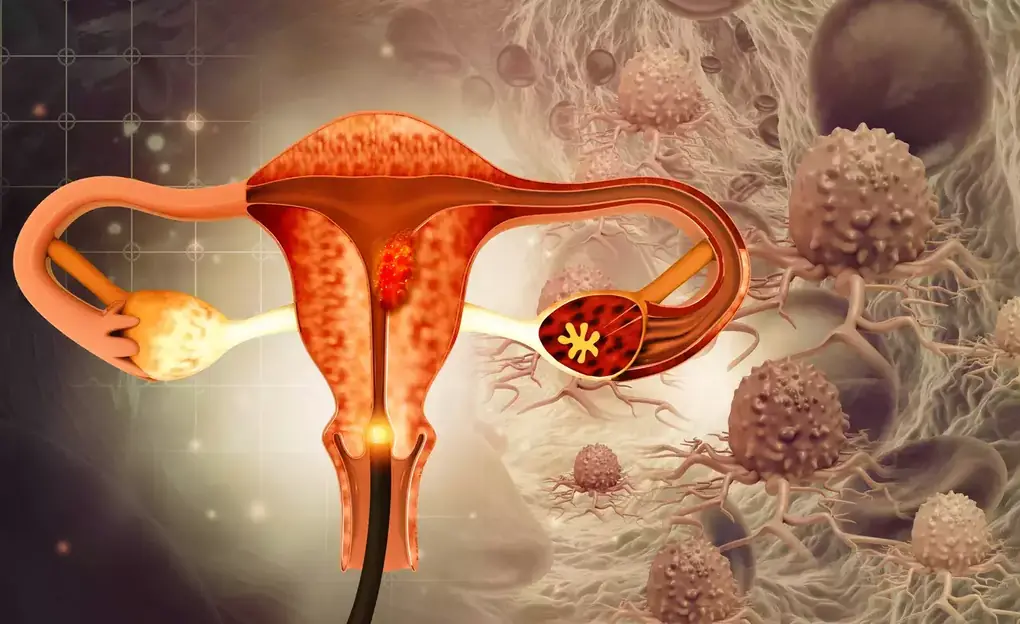
12 Symptoms That May Point to Ovarian Cancer - What to Know
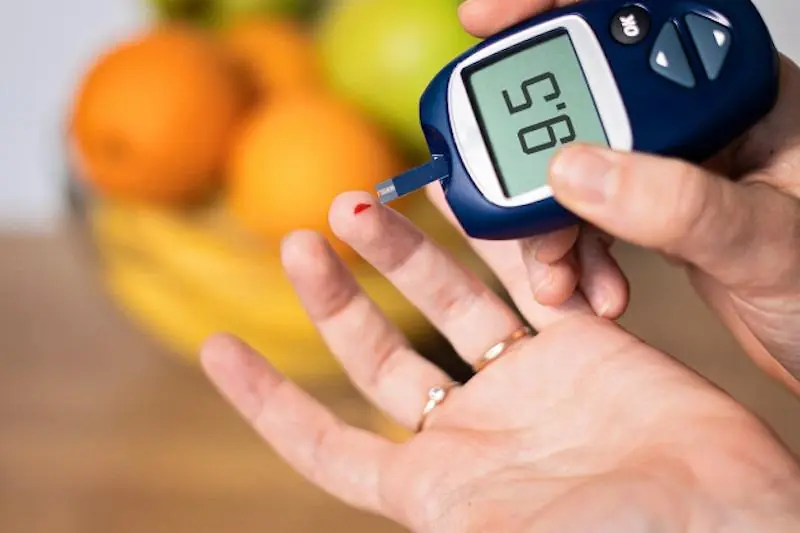
15 Early Signs That Could Point to Undiagnosed Diabetes
12 Possible Signs of a Stroke You Need to Recognize
What Happens to Your Body When You Eat Cucumbers Every Day?
The Surprising Reason You Feel the Urge to Poop After Eating
15 Subtle Signs That Could Mean You’re Not Drinking Enough Water
What Your Morning Urine May Reveal: 5 Changes Worth Paying Attention To
10 Possible Early Signs of Dementia That Shouldn’t Be Ignored
When It Comes to Cervi.cal Health, Experts Say These 3 Habits Deserve More Attention 👀
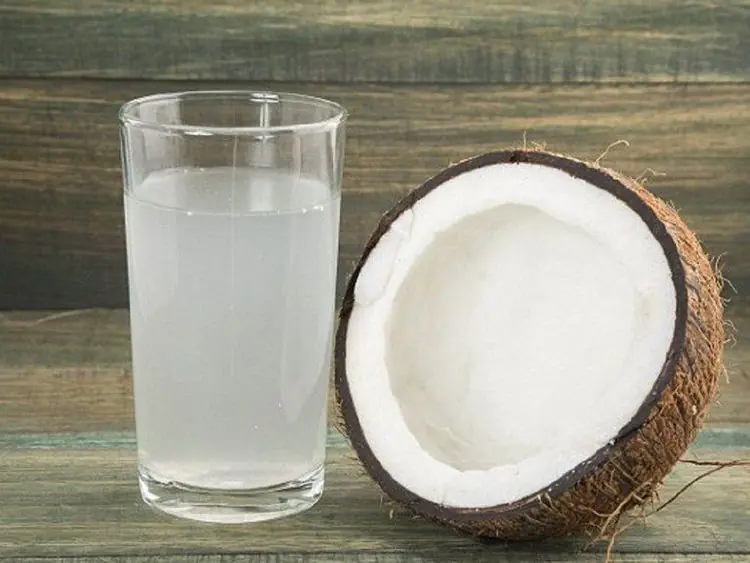
Coconut Water and Your Kidneys: What You Should Know

Warts are a common dermatological concern that almost everyone encounters at some point. While they are usually harmless, they can be persistent and, at times, uncomfortable. Understanding what they are and how to manage them is the first step toward clea
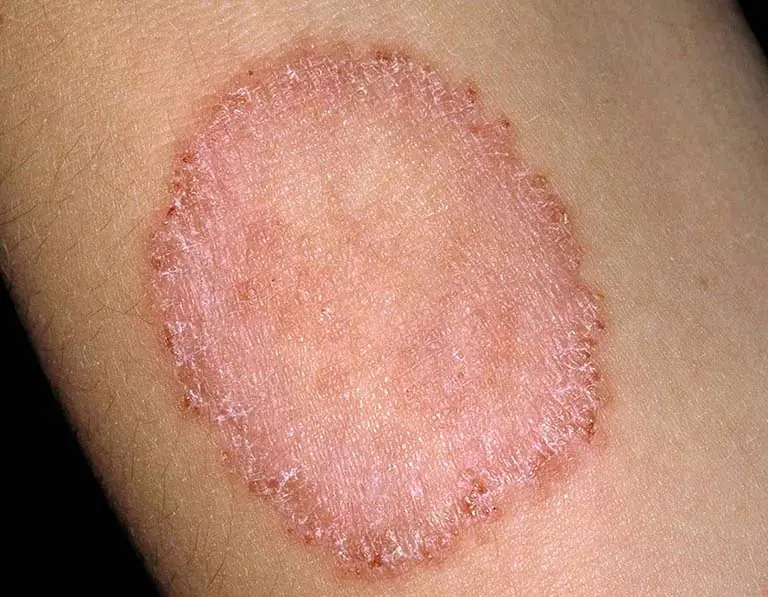
Signs of a Fungal Skin Infection You Should Know

Leg Cramps at Night? These Common Causes May Surprise You
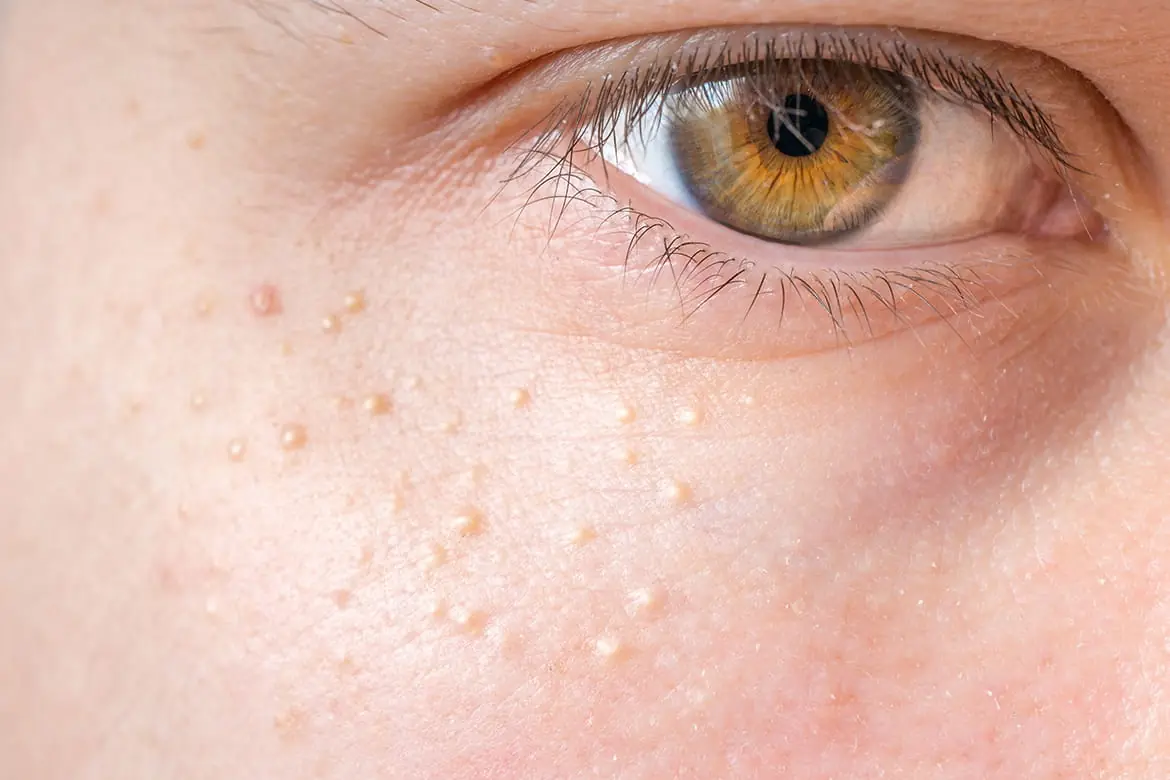
Noticing White Bumps on Your Face? Here’s What You Should Know
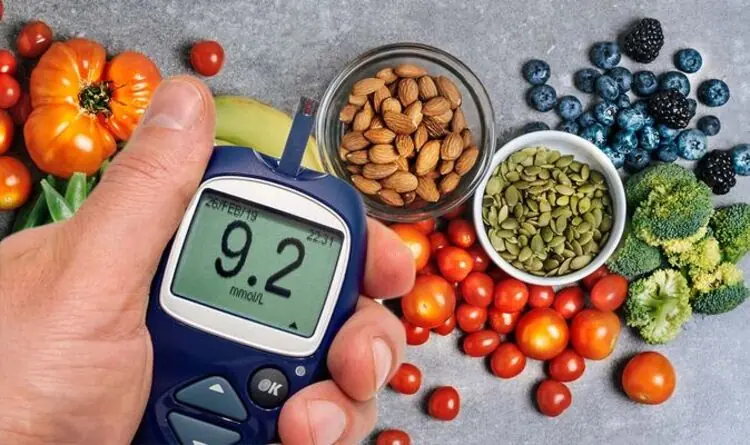
11 Subtle Nighttime Signs That May Point to High Bl00d Sugar

One small change could be your body's way of asking for help.
Raw vegetables can be healthy, but proper cleaning is essential always.
Separate beds can improve sleep quality without harming relationships.
Some everyday drinks may affect long-term cardiovascular health risks.
12 Symptoms That May Point to Ovarian Cancer - What to Know
One Promise Before Dawn
15 Early Signs That Could Point to Undiagnosed Diabetes
Why Are People Soaking Lemongrass in Vinegar? Exploring This Simple Homemade Mixture
The Soldier Rescues the Trapped Girl
12 Possible Signs of a Stroke You Need to Recognize
The Soldier in the Elevator Shaft
What Happens to Your Body When You Eat Cucumbers Every Day?
Sleeping Beside Your Cat Every Night? Here’s What You Should Know
The Bus Was Falling
The Surprising Reason You Feel the Urge to Poop After Eating
THE VOICES WERE HIS PARENTS
15 Subtle Signs That Could Mean You’re Not Drinking Enough Water
DID DAD FORGET MY BIRTHDAY?