Is High Blo.od Fat Really Dangerous? When to Take Medication & How to Manage It Effectively
High blo.od fat, also known as dyslipidemia, is a common health issue, but not everyone fully understands its risks. So, is high blo.od fat really a cause for concern?
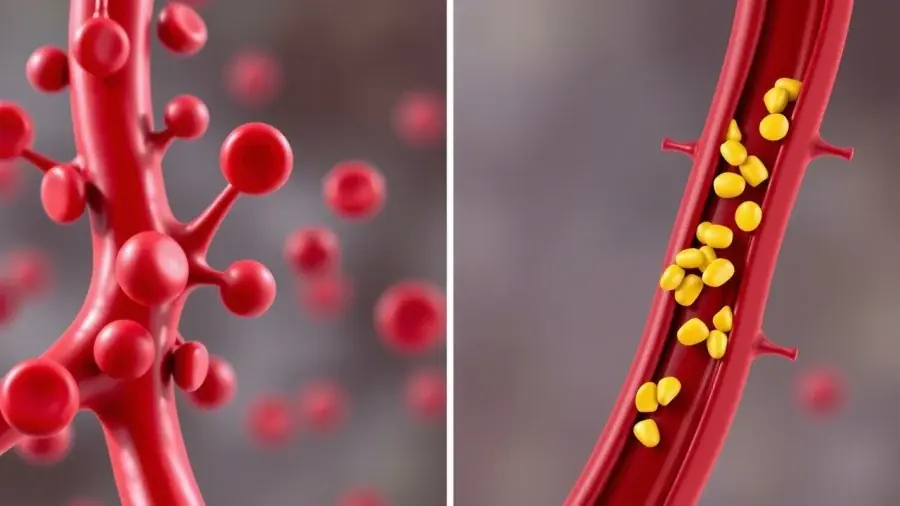
Understanding Blood Fat for Better Health
Dr. Nguyễn Lân Hiếu, Director of Hanoi Medical University Hospital, has shared important insights on blood fat through his personal platform. He pointed out that many people, especially in remote areas, misuse cholesterol-lowering medication by:
- Continuously taking old prescriptions without follow-up medical check-ups
- Stopping medication too soon once lab results improve
- Using someone else’s prescription, which can be dangerous
What Is Blood Fat?
According to Dr. Hiếu, blood fat (lipids) consists of cholesterol and triglycerides, which are essential for cell function and energy. He emphasized, “Without blood fat, we wouldn’t survive.”
However, high blood fat is considered a "silent enemy" to heart health when bad cholesterol outweighs good cholesterol. Excessive bad fats accumulate in arteries, leading to narrowing or blockages that can affect the heart, brain, kidneys, and more.
Key Blood Fat Indicators in Test Results:
- HDL ("Good" Cholesterol) – A high-density lipoprotein that transports excess cholesterol to the liver for removal, helping protect arteries.
- LDL ("Bad" Cholesterol) – A low-density lipoprotein that builds up in artery walls, leading to blockages and cardiovascular diseases.
- Triglycerides – The main energy source for cells. However, excessively high levels can contribute to heart disease and acute pancreatitis.
💡 Conclusion: Blood fat isn’t entirely good or bad—balance is key to maintaining overall health.
When Should You Take Cholesterol-Lowering Medication?
Dr. Hiếu emphasizes that treatment should be personalized based on a patient’s condition. Here’s when medication is necessary:
1. If You Have Cardiovascular Events or Arterial Blockages
If you’ve had a heart attack, stroke, or artery blockage, cholesterol-lowering drugs are mandatory. You shouldn’t focus too much on lab results but rather strictly follow your doctor’s treatment plan.
Even without prior heart events, if you have narrowed arteries or atherosclerosis, taking cholesterol-lowering medication is not just prevention—it’s part of the core treatment. Studies confirm that these drugs reduce mortality rates and hospital readmissions due to heart-related complications.
2. If LDL ("Bad" Cholesterol) Is High & You Have Other Risk Factors
If your test shows high LDL and low HDL, along with obesity, high blood pressure, diabetes, smoking, or a family history of heart disease, medication can significantly lower your risks—but only if taken consistently.
⚠️ Warning from Dr. Hiếu: "Stopping cholesterol medication prematurely is more dangerous than never taking it at all." Discontinuing treatment disrupts cholesterol balance, increasing health risks.
3. If LDL Is High but No Symptoms Are Present
If your LDL is high but HDL is normal, and you have no risk factors or symptoms, carefully consider medication use. There is no strong evidence proving that isolated LDL elevation alone increases heart disease risk in otherwise healthy individuals.
👉 Alternative Approach: Prioritize lifestyle changes first:
✅ Eat a balanced diet
✅ Limit fats and sugars
✅ Exercise regularly
💊 Use medication only if lifestyle changes fail
4. If Triglycerides Are High Without Other Symptoms
Triglycerides are complex—they provide energy but can also pose health risks. Many people exceed the normal limit (1.7 mmol/L), sometimes by 3–4 times.
Dr. Hiếu’s advice:
- If you have no genetic history of lipid disorders, first try strict dietary control and lifestyle changes.
- Only consider medication if triglycerides remain excessively high despite healthy habits.
How to Control High Blood Fat Naturally
Instead of rushing to medication, try these lifestyle changes first:
✔️ Eat heart-friendly foods – Increase fiber, fish, nuts, and healthy fats
✔️ Exercise regularly – Aim for 150 minutes of moderate activity per week
✔️ Avoid processed foods – Cut down on fried, sugary, and high-fat meals
✔️ Maintain a healthy weight – Even 5–10% weight loss improves lipid balance
✔️ Quit smoking & reduce alcohol – These directly impact cholesterol levels
By managing blood fat effectively, you can reduce health risks without over-relying on medication. Always consult a doctor for personalized treatment based on your specific health condition.