For decades, the idea of eating according to your blood type has fascinated millions of people around the world. Books, websites, and social media posts have claimed that people with blood types A, B, AB, or O should eat completely different foods to improve digestion, lose weight, boost energy, and even reduce the risk of chronic diseases.
Some diets recommend that people with Type O eat a high-protein diet, those with Type A follow a mostly vegetarian lifestyle, Type B consume more dairy products, and Type AB combine elements of both A and B diets.
But is there scientific evidence to support these recommendations?
The short answer is: current research has not found convincing evidence that matching your diet to your blood type improves health.
That doesn't mean your blood type is unimportant - it plays a critical role in blood transfusions, pregnancy, and, in some cases, disease risk. However, when it comes to choosing the healthiest foods, your age, medical history, genetics, activity level, and overall eating pattern appear to matter much more than your ABO blood type.
Let's take a closer look at what blood types are, where the blood type diet originated, and what the scientific evidence actually says.
What Is Blood Type?
Your blood type is determined by genes inherited from your parents.
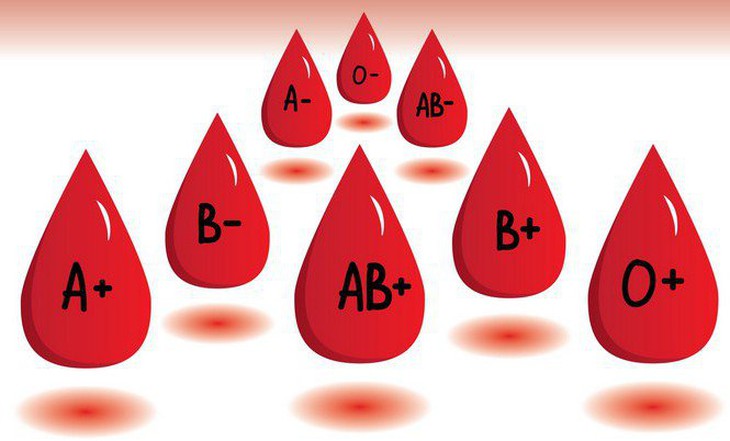
The most common blood group system is the ABO system, which includes:
-
Type A
-
Type B
-
Type AB
-
Type O
Each blood type is defined by specific proteins, called antigens, found on the surface of red blood cells.
Another important blood group is the Rh factor, which determines whether your blood type is positive (+) or negative (-).
For example:
-
A+
-
O-
-
AB+
-
B-
Blood type is extremely important during blood transfusions because receiving incompatible blood can cause serious, potentially life-threatening reactions.
Where Did the Blood Type Diet Come From?
The blood type diet became widely known after the publication of "Eat Right 4 Your Type" by naturopath Peter D'Adamo in the 1990s.
According to the theory:
Type O
Should eat:
-
Lean meat
-
Fish
-
Vegetables
And limit:
-
Grains
-
Legumes
-
Dairy
Type A
Should emphasize:
-
Vegetables
-
Fruits
-
Whole grains
-
Legumes
While limiting:
-
Red meat
Type B
Should include:
-
Dairy
-
Eggs
-
Meat
-
Vegetables
While avoiding certain foods such as corn and wheat.
Type AB
Should combine aspects of both A and B eating patterns.
These recommendations became extremely popular.
However, popularity and scientific evidence are not the same thing.
What Does Research Say?
Scientists have carefully studied whether eating according to blood type actually improves health.
So far, the evidence has been largely negative.
Several reviews have concluded that:
There is currently no convincing scientific evidence that blood type-specific diets provide health benefits because of a person's blood type.
Some people do lose weight while following these diets.
But that's usually because:
-
They eat more vegetables.
-
They reduce processed foods.
-
They consume fewer added sugars.
-
They become more mindful of portion sizes.
These improvements can benefit almost anyone—regardless of blood type.
Why Do Some People Feel Better on a Blood Type Diet?
This is an interesting question.
Many people genuinely report:
-
More energy
-
Weight loss
-
Better digestion
But these improvements may not be related to blood type itself.
Instead, they may occur because people begin eating:
-
More whole foods
-
More fruits
-
More vegetables
-
Less fast food
-
Less added sugar
-
Less ultra-processed food
In other words, healthier eating habits—not blood type—may explain the benefits.
Can Blood Type Affect Disease Risk?
Although blood type probably doesn't determine your ideal diet, it may be associated with certain health conditions.
Researchers have identified statistical associations between blood type and several diseases.
However, association does not mean blood type directly causes these conditions.
Blood Type O
Some studies suggest people with Type O may have:
-
Lower risk of blood clots
-
Lower risk of certain cardiovascular conditions
But they may also have:
-
Higher risk of bleeding disorders
-
Slightly increased susceptibility to certain stomach ulcers caused by Helicobacter pylori
These are population-level observations, not guarantees for individuals.
Blood Type A
Research has suggested possible associations between Type A and:
-
Slightly higher risk of stomach cancer
-
Higher risk of certain cardiovascular diseases
Again, many other factors—such as smoking, diet, exercise, and genetics—play a much larger role.
Blood Type B
Some studies have explored links between Type B and:
-
Certain metabolic conditions
-
Infectious diseases
The findings are mixed and often inconsistent.
Blood Type AB
Type AB is the least common ABO blood group.
Some research has suggested possible associations with:
-
Cardiovascular disease
-
Blood clotting
-
Cognitive decline later in life
These findings require further study and should not be interpreted as predictions for any individual.
Your Genes Matter More Than Your Blood Type
Nutrition science has become much more sophisticated over the past two decades.
Researchers now recognize that many factors influence how people respond to food.
These include:
-
Genetics
-
Gut microbiome
-
Age
-
Physical activity
-
Sleep
-
Stress
-
Medical conditions
-
Medications
Blood type represents only a tiny fraction of your genetic makeup.
It is unlikely to determine your nutritional needs by itself.
What About the Gut Microbiome?
Your digestive tract contains trillions of microorganisms collectively known as the gut microbiome.
Research suggests the microbiome may influence:
-
Digestion
-
Immune function
-
Metabolism
-
Responses to certain foods
Interestingly, some studies suggest blood type may have a small influence on gut bacteria.
However, this research is still developing and does not currently support blood type-specific diets.
Can Blood Type Affect Digestion?
There is no strong evidence that people with different blood types digest protein, carbohydrates, or fats in fundamentally different ways.
Digestive enzymes are influenced by many factors, but blood type is not considered a major determinant.
The Role of Lectins
One key idea behind blood type diets involves substances called lectins.
Lectins are proteins naturally found in many foods, including:
-
Beans
-
Whole grains
-
Tomatoes
-
Potatoes
-
Peanuts
The blood type diet proposes that lectins interact differently with different blood types.
However, current scientific evidence has not supported this theory in everyday eating.
Most lectins are significantly reduced through normal cooking.
Foods containing lectins—such as beans and whole grains—are consistently associated with positive health outcomes in many populations.
Healthy Eating Patterns Supported by Research
Rather than focusing on blood type, experts generally recommend dietary patterns supported by decades of research.
These include:
Mediterranean Diet
Emphasizes:
-
Vegetables
-
Fruits
-
Whole grains
-
Beans
-
Olive oil
-
Fish
-
Nuts
Associated with improved heart health and lower risk of several chronic diseases.
DASH Diet
Originally developed to help manage blood pressure.
Focuses on:
-
Fruits
-
Vegetables
-
Low-fat dairy
-
Whole grains
-
Lean proteins
-
Limited sodium
Plant-Forward Eating
Does not necessarily eliminate meat but encourages:
-
More legumes
-
More vegetables
-
More whole grains
-
More nuts and seeds
Research consistently supports these eating patterns across many populations.
Individual Differences Matter
Although blood type may not determine your ideal diet, individual differences certainly do.
Some people tolerate dairy well.
Others experience lactose intolerance.
Some thrive with higher carbohydrate intake.
Others do better with slightly lower carbohydrate intake due to diabetes or insulin resistance.
Food choices should consider:
-
Medical conditions
-
Allergies
-
Food intolerances
-
Personal preferences
-
Cultural traditions
-
Nutritional needs
Who May Need Specialized Diets?
Some medical conditions require individualized nutrition.
Examples include:
Diabetes
Meal planning focuses on managing blood glucose.
Celiac Disease
Requires lifelong avoidance of gluten.
Chronic Kidney Disease
May require adjustments in:
-
Protein
-
Potassium
-
Phosphorus
-
Sodium
Food Allergies
Certain foods must be completely avoided.
None of these recommendations depend on blood type.
Can Blood Type Predict Weight Loss Success?
Current evidence suggests:
No.
Weight loss depends primarily on:
-
Overall calorie balance
-
Food quality
-
Physical activity
-
Sleep
-
Consistency
Not ABO blood type.
Common Myths About Blood Type Diets
Myth 1: Type O Should Never Eat Grains
There is no strong evidence supporting this recommendation.
Whole grains provide:
-
Fiber
-
Vitamins
-
Minerals
and have been associated with improved health in many studies.
Myth 2: Type A Should Avoid All Meat
Many healthy dietary patterns include moderate amounts of lean meat.
There is no convincing evidence that people with Type A must eliminate it.
Myth 3: Blood Type Determines Food Allergies
Food allergies involve immune responses that are unrelated to ABO blood type.
Myth 4: Blood Type Diets Are Scientifically Proven
Current research has not confirmed that matching foods to blood type improves health outcomes.
Simple Principles That Benefit Nearly Everyone
Regardless of blood type, most nutrition experts recommend:
-
Eating plenty of vegetables.
-
Choosing whole fruits.
-
Including whole grains.
-
Eating legumes regularly.
-
Choosing lean protein sources.
-
Limiting highly processed foods.
-
Reducing added sugars.
-
Staying hydrated.
-
Exercising regularly.
These habits are supported by extensive scientific evidence.
When Should You Seek Personalized Nutrition Advice?
Consider speaking with a registered dietitian or healthcare provider if you have:
-
Diabetes
-
High blood pressure
-
High cholesterol
-
Kidney disease
-
Digestive disorders
-
Food allergies
-
Significant weight concerns
Personalized advice based on your medical history is much more valuable than recommendations based solely on blood type.
The Future of Personalized Nutrition
Scientists continue studying precision nutrition, an emerging field that explores how genetics, metabolism, gut bacteria, and lifestyle influence responses to food.
One day, nutrition recommendations may become increasingly individualized.
However, today's evidence suggests that personalized nutrition will likely involve many biological factors—not just blood type.
The Bottom Line
Although the idea of matching your diet to your blood type is appealing, current scientific evidence does not support the claim that people with different ABO blood types need fundamentally different diets.
Some blood type diets may lead to healthier eating habits simply because they encourage more whole foods and fewer processed foods. However, these benefits appear to result from the overall quality of the diet rather than a person's blood type.
Final Thoughts
Your blood type is an important part of your medical information, especially for blood transfusions and certain aspects of disease risk. But when it comes to everyday nutrition, it is unlikely to be the deciding factor in what foods are best for you.
Instead of focusing on your blood type, concentrate on habits that consistently show benefits across decades of research: eat a variety of colorful fruits and vegetables, choose whole grains, include healthy sources of protein and fats, stay physically active, get enough sleep, and attend regular medical checkups.
If you have specific health conditions or unique nutritional needs, work with a qualified healthcare professional or registered dietitian to develop a personalized eating plan. The healthiest diet is rarely determined by your blood type—it is determined by your individual health, lifestyle, and long-term habits.