Which Couple Is The Happiest? Your Choice Reveals Your True Personality
⏱️ 1 min read 16/08/2026 08:35
Have you ever opened your electricity bill and thought:
“Why is this so much higher than usual?”
You haven't bought a major new appliance. Your daily routine hasn't changed much. You may even be trying to turn off the lights more often.
Yet somehow, your electricity consumption keeps climbing.
The surprising part is that the biggest contributors aren't always the devices you use for only a few minutes each day.
Some appliances consume electricity for hours at a time. Others may continue drawing a small amount of electricity even when they appear to be turned off. This is commonly known as standby power or “vampire power.” The U.S. Department of Energy confirms that some devices consume electricity while they appear to be switched off.
So, before blaming your entire household for using too much electricity, take a closer look at the devices that are running behind the scenes.
Here are seven common devices and appliances worth checking.
![Lifehack] Bạn phải tắt ngay 5 thiết bị đang âm thầm gây tốn điện này](https://cdn.tgdd.vn/Files/2020/06/17/1263675/thiet-bi-gay-hao-dien-ngay-ca-khi-tat-2_800x450.jpg)
If you live in a hot climate, your air conditioner may be one of the first things to investigate when your electricity bill suddenly rises.
Air conditioning doesn't just use electricity when the compressor starts.
The longer your system operates, the more electricity it can consume.
Several factors can make this worse:
Setting the temperature extremely low
Running the unit continuously
Dirty filters
Poor airflow
Poor insulation
Leaving doors and windows open
Using an inefficient or aging unit
ENERGY STAR includes room air conditioners, heat pumps, furnaces, and other heating and cooling equipment among major residential energy-efficiency categories.
Don't automatically set your air conditioner to the lowest temperature.
Instead, choose a comfortable temperature and use timers or scheduling features when appropriate.
Also, check and clean the filter according to the manufacturer's instructions.
A clogged filter can restrict airflow and make the system work harder.
If your air conditioner seems to run almost constantly even when the room should already be cool, it may be worth having the system inspected.
Here's another appliance that can quietly consume a surprising amount of electricity:
Your water heater.
An electric water heater has to heat water and then maintain the desired temperature.
That means electricity can be used even when nobody is actively taking a shower.
The amount of energy consumed depends on factors such as the heater's design, temperature setting, insulation, household water use, and efficiency.
Heat-pump water heaters are designed differently. Instead of generating heat directly with an electric resistance element all the time, they move heat from the surrounding air into the water. ENERGY STAR describes this as a key reason heat-pump water heaters can operate more efficiently than conventional electric resistance heating in appropriate conditions.
If your household uses an electric water heater, check whether the temperature is unnecessarily high.
If your unit has a vacation or scheduling mode, use it when appropriate and follow the manufacturer's recommendations.
And if you're replacing an old water heater, compare the long-term operating costs—not just the purchase price.
Your refrigerator is different from many appliances because it may operate 24 hours a day, 7 days a week.
It needs electricity to maintain a cold internal temperature, even while you're sleeping or away from home.
An older refrigerator or an additional refrigerator in a garage can therefore become an important part of your home's electricity consumption.
ENERGY STAR provides a refrigerator calculator specifically designed to help consumers compare the operating costs of refrigerators and freezers.
Is the refrigerator extremely old?
Is the door seal damaged?
Is the freezer heavily iced over?
Is the appliance located somewhere extremely hot?
Are you keeping an extra refrigerator that you barely use?
Also, avoid repeatedly leaving the refrigerator door open.
Modern ENERGY STAR-certified refrigerators are designed to meet stricter efficiency requirements, and ENERGY STAR notes that qualified refrigerators use less energy than standard models.
Your television may not be the biggest energy user in the house, but your entire entertainment setup can add up.
Think about everything connected to your TV:
Television
Streaming box
Game console
Soundbar
Cable or satellite equipment
Speakers
Media players
Some electronics continue drawing power even when they aren't actively being used.
That's called standby power.
The Department of Energy recognizes standby power as electricity consumed while a device is in a low-power mode, such as when it is switched off but still connected to the mains.
ENERGY STAR also notes that certified TVs have low standby consumption, and the Department of Energy recommends using smart power strips for TV components to help prevent unnecessary energy use when the system isn't operating.
Instead of unplugging every device individually, you can connect related electronics to a power strip.
When you're finished watching TV, switching off the strip can cut power to connected equipment that doesn't need to remain active.
A desktop computer can consume electricity for long periods, especially if you leave it running all day.
And here's something many people forget:
The monitor matters too.
You might walk away from your desk for several hours while the computer and display remain powered on.
Using the appropriate sleep or power-management settings can reduce unnecessary consumption.
The Department of Energy specifically recommends using monitor power-management features rather than relying on a screensaver, because a screensaver doesn't actually save energy.
Set your computer and monitor to enter sleep mode automatically after a period of inactivity.
If you're finished working for the day, shut down equipment when appropriate.
And if you have multiple monitors, consider whether all of them need to remain active throughout the day.
If your home has an electric clothes dryer, it deserves attention.
Dryers generate heat and move air, which requires substantial energy.
The more frequently you use the dryer—and the longer each cycle runs—the more electricity it can consume.
Overloading the dryer can also interfere with efficient drying.
Clean the lint filter regularly.
Don't run the dryer for longer than necessary.
Use moisture-sensing cycles if your machine has them.
And whenever practical, air-dry clothes instead.
ENERGY STAR includes clothes dryers among the residential appliance categories where efficiency differences can matter.
This final category is easy to overlook because it isn't one specific appliance.
Walk around your home and count how many devices are permanently connected to outlets.
You might find:
Phone chargers
Laptop chargers
Printers
Speakers
Coffee machines
Gaming consoles
Smart speakers
Routers
TVs
Streaming devices
Small kitchen appliances
Some modern electronics consume very little power when idle.
But the important point is that standby consumption exists, and many devices can draw electricity even when they aren't performing their main function.
The Department of Energy recommends power strips and smart plugs as ways to control plug loads and reduce unnecessary standby consumption.![Lifehack] Bạn phải tắt ngay 5 thiết bị đang âm thầm gây tốn điện này](https://cdn.tgdd.vn/Files/2020/06/17/1263675/thiet-bi-gay-hao-dien-ngay-ca-khi-tat-1_800x450.jpg)
There's no need to unplug every device in your home every time you leave the room.
Instead, focus on groups of electronics that remain unused for long periods.
For example, you could connect your entertainment system to a smart power strip and turn it off when nobody is using it.
This is where things get interesting.
You shouldn't assume that the device with the highest wattage is automatically responsible for the largest portion of your bill.
Electricity consumption depends on both power and time.
A simple way to think about it is:
Energy used = Power × Time
A device that uses a lot of electricity for a short period may consume less energy overall than a lower-powered device that runs continuously.
That's why an appliance operating for many hours every day can become a major contributor.
Your electricity rate also matters.
The same appliance can cost very different amounts to operate depending on the price you pay per kilowatt-hour.
Instead of guessing, measure.
A plug-in electricity meter can help you determine how much energy certain appliances are actually using.
You can connect compatible appliances to the meter and observe their power consumption.
For whole-home monitoring, some smart energy-management systems can track electricity use across multiple devices.
ENERGY STAR's smart-home energy-management criteria include plug-load monitors and controls designed to report power or energy consumption.
This can turn the question from:
“Which appliance do I think is expensive?”
into:
“Which appliance is actually consuming the most electricity?”
That's a much better question.
Standby power deserves special attention because it is easy to overlook.
You press the power button.
The screen goes dark.
You assume the device is completely off.
But depending on the product, it may still consume some electricity while connected to the outlet.
The Department of Energy defines standby power as consumption in a device's lowest-power mode, typically when it is switched off or not performing its primary function.
One device may not make a dramatic difference.
But a home can contain dozens of connected electronics.
Over time, those small loads can accumulate.
You don't necessarily need to replace everything in your home.
Start with the easiest changes.
If you're leaving home for several hours, don't leave unnecessary electronics running.
Group entertainment and office equipment together so multiple devices can be switched off at once.
Enable sleep settings on computers, monitors, and other compatible electronics.
Clean filters, maintain seals, keep vents clear, and follow the manufacturer's maintenance recommendations.
When an appliance reaches the end of its useful life, compare energy-efficient models.
ENERGY STAR-certified products are designed to meet strict energy-efficiency criteria established by the EPA or Department of Energy.
Imagine your electricity bill suddenly increases.
You might immediately blame the refrigerator because it runs all the time.
But perhaps the real change was that your air conditioner started running several additional hours every day.
Or maybe you began using an electric water heater more frequently.
Or perhaps an extra freezer was added to the home.
This is why monitoring actual consumption is more useful than guessing.
Your home's electricity use is the result of many devices operating together.
A cheap appliance isn't necessarily cheap over its entire lifetime.
Two appliances may have similar purchase prices but significantly different energy consumption.
If one uses less electricity every day, the difference can accumulate over years.
ENERGY STAR provides product categories and product-finder tools that allow consumers to compare certified energy-efficient appliances and electronics.
So when shopping for a refrigerator, air conditioner, water heater, washing machine, dryer, or other major appliance, consider both:
Purchase price + operating cost.
That's the number that matters over the long term.

If your electricity bill suddenly rises, don't automatically assume someone in your household is simply “using too much power.”
Look at the devices.
Your air conditioner, electric water heater, refrigerator or freezer, television and entertainment equipment, computer and monitor, clothes dryer, and always-plugged-in electronics are all worth checking.
Some consume significant electricity during normal operation.
Others may draw smaller amounts of standby power even when they appear to be turned off.
The good news?
You don't have to unplug your entire house.
Start with the biggest users.
Measure where possible.
Use power-management settings.
Turn off equipment that doesn't need to remain active.
And when it's time to replace an appliance, consider its long-term energy efficiency—not just its price at the store.
Because sometimes, the reason behind a surprisingly high electricity bill isn't one mysterious problem.
It's a handful of everyday devices quietly using power, day after day.


Watermelon peels hide surprising uses most people completely overlook.

You May Be Missing Out on These Useful Vehicle Functions

Why Is She Suddenly Choosing Lace Lingerie? What It Might Signify

Why Do Deceased Loved Ones Appear in Our Dreams?

Nearly 200 days in space changed one astronaut’s view of life forever.
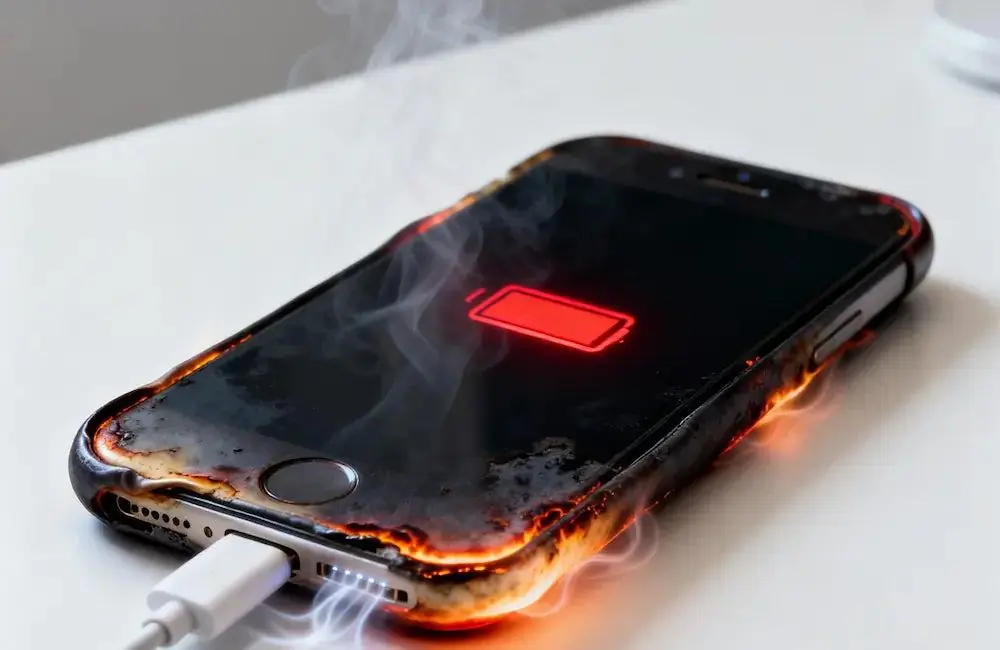
Firefighters warn that one common phone habit could increase fire risks.

Sleeping Beside Your Cat Every Night? Here’s What You Should Know


Have you ever looked at a random object and suddenly felt a chill run down your spine, convinced it was something dangerous?

Seeing a Lizard Indoors? Here’s What May Be Attracting It

The 3 Colors That May Be Inappropriate at a Funeral


New research uncovers a key clue that may reshape autism science.

Do You Suddenly Jerk When Falling Asleep? Here’s the Possible Reason

If Your Elderly Parent Shows These Signs, Don't Ignore Them
Visible hand veins are often harmless, but sometimes reflect body changes.
This affordable organ meat offers nutrients many diets are missing.
Passengers Keep Making This Seat Selection Mistake
10 Nutrient-Rich Foods That May Help Support Long-Term Health and Lower Can.cer Risk
If you drool in the sleep, this is what happen... See more
Beef Isn't the Enemy—But This Common Mistake Could Harm Your Heart
Doctors Warn: Stop Cooking Eggs These 4 Ways Before Your Next Breakfast!
Could Your Diet Influence Can.cer Risk? Here Are 11 Foods to Know About...
Why Are Your Hands Numb or Tingling? Common Causes Explained
These 2 Sleep-Related Signs Could Be More Important Than You Think
A Snake Bite Can Be Serious - Know What to Do Next
You Eat Broccoli, But Do You Know What It May Be Doing Inside Your Body?… See More
Want Better Circulation? These 6 Simple Habits Could Be a Good Place to Start…
A fierce rainstorm leads biker mechanic Logan Cross to a burst mailbox scattered with letters, setting off a search that delivers a father’s unsent final words to his estranged daughter.
Your Body May Be Signaling Fatty Liver Disease - 8 Signs to Know
One Simple Question to Ask Before You Agree to a Colonoscopy—Don’t Skip It…
Seeing White Spots on Your Arms or Legs? Your Skin May Be Giving You a Clue… See More
A late-night runaway maintenance train forces motorcycle mechanic Victor Hale into a perilous attempt to prevent a catastrophic collision and save trapped passengers.
What Do Those Tiny Red Dots Mean? Here’s When They May Deserve Attention…