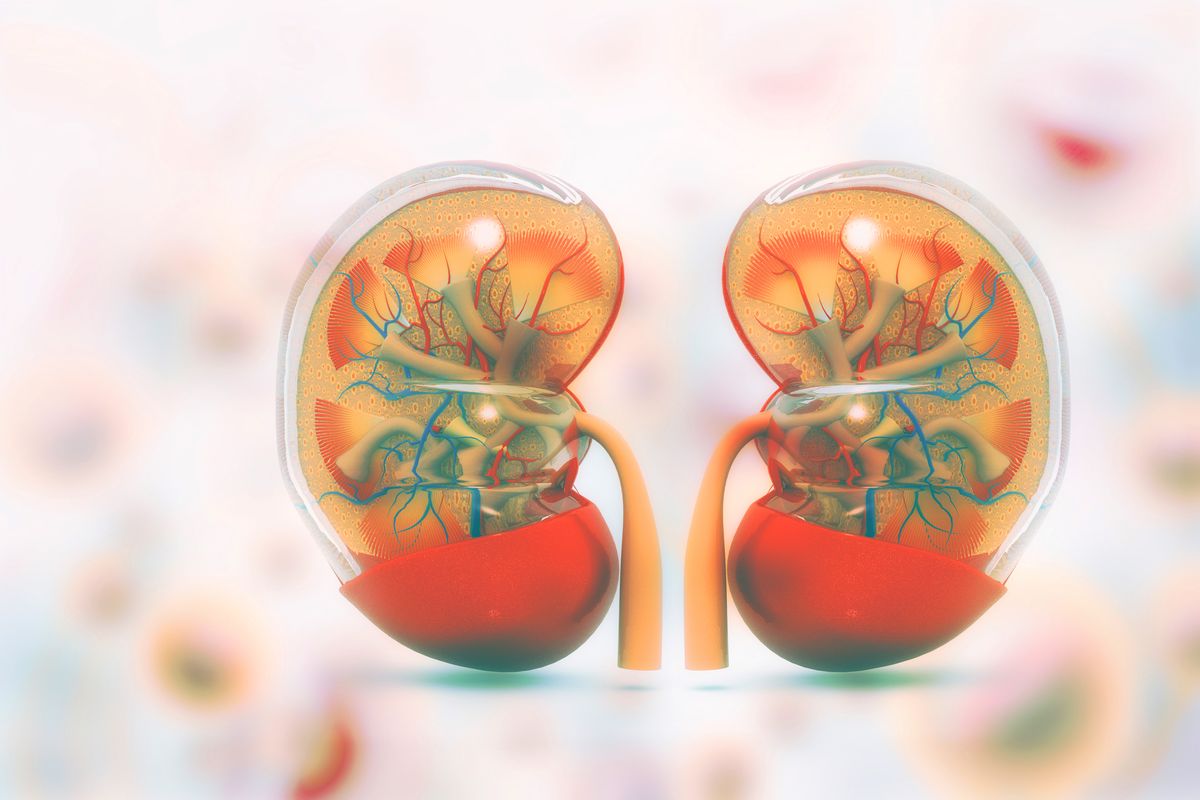
Your kidneys are among the hardest-working organs in your body, quietly performing essential tasks every minute of every day. Although each kidney is only about the size of a fist, together they filter approximately 150 to 180 liters (40–47 gallons) of blood daily, removing waste products, balancing fluids, regulating electrolytes, and helping maintain healthy blood pressure.
Because the kidneys are so efficient, kidney disease often develops silently, with few or no symptoms during its early stages. By the time noticeable signs appear, kidney function may already be significantly reduced. This is why understanding the early warning signs, knowing your personal risk factors, and adopting healthy lifestyle habits are so important.
The good news is that many cases of chronic kidney disease (CKD) can be slowed or even prevented - through early detection and appropriate medical care.
Let's explore the early symptoms that may suggest kidney problems, the factors that increase your risk, and practical strategies to help protect your kidneys for years to come.
What Do the Kidneys Do?
Your kidneys perform many vital functions beyond simply producing urine.
They help:
-
Filter waste products from the blood
-
Remove excess fluid
-
Maintain electrolyte balance
-
Regulate blood pressure
-
Support red blood cell production through erythropoietin
-
Activate vitamin D for bone health
-
Help maintain the body's acid-base balance
Healthy kidneys work continuously, often without you noticing them.
What Is Chronic Kidney Disease?
Chronic kidney disease (CKD) occurs when the kidneys gradually lose their ability to filter blood effectively over months or years.
CKD is classified into stages based on kidney function, but many people remain unaware they have the condition because early stages often produce few symptoms.
Common causes include:
-
Diabetes
-
High blood pressure
-
Chronic glomerular diseases
-
Polycystic kidney disease
-
Autoimmune diseases
-
Recurrent kidney infections
Early diagnosis allows healthcare providers to slow disease progression and reduce complications.
Why Early Detection Matters
The kidneys have a remarkable ability to compensate for damage.
Even after losing part of their filtering capacity, they may continue functioning well enough that symptoms remain subtle.
As a result, many people discover kidney disease only after routine blood or urine tests.
Regular health checkups are especially important if you have risk factors such as diabetes or hypertension.
1. Changes in Urination
One of the earliest clues may involve changes in your normal urination pattern.
You might notice:
-
Urinating more frequently
-
Needing to urinate at night (nocturia)
-
Passing less urine than usual
-
Difficulty urinating
-
Foamy or bubbly urine
-
Blood in the urine
Foamy urine may indicate excess protein in the urine, while blood in the urine can have many possible causes, including kidney stones, infections, or kidney disease.
Any persistent changes should be evaluated by a healthcare professional.
2. Swelling in the Feet, Ankles, or Around the Eyes
Healthy kidneys remove excess sodium and fluid from the body.
When kidney function declines, fluid may accumulate in tissues.
Possible signs include:
-
Puffy ankles
-
Swollen feet
-
Swelling around the eyes
-
Tight shoes that suddenly feel uncomfortable
-
Weight gain from fluid retention
Swelling can also result from heart disease, liver disease, or venous problems, making medical evaluation important.
3. Persistent Fatigue and Weakness
Many people with kidney disease report feeling unusually tired.
Several factors may contribute, including:
-
Anemia due to reduced erythropoietin production
-
Waste product buildup
-
Sleep disturbances
-
Electrolyte imbalances
Persistent fatigue should never be ignored, especially if accompanied by other symptoms.
4. High Blood Pressure
The relationship between blood pressure and kidney health goes both ways.
High blood pressure can damage the kidneys.
Damaged kidneys can also contribute to elevated blood pressure.
Because hypertension often causes no symptoms, regular blood pressure checks are essential.
Maintaining healthy blood pressure is one of the most effective ways to protect kidney function.
5. Loss of Appetite, Nausea, or Metallic Taste
As kidney function declines, waste products can accumulate in the bloodstream.
Some people experience:
-
Reduced appetite
-
Nausea
-
Vomiting
-
Metallic taste in the mouth
-
Bad breath
-
Unintended weight loss
These symptoms usually occur in more advanced kidney disease but should always be discussed with a healthcare provider.
6. Muscle Cramps
Healthy kidneys regulate important minerals such as:
-
Potassium
-
Calcium
-
Phosphorus
-
Magnesium
Kidney disease may disrupt these balances, increasing the likelihood of muscle cramps or spasms.
However, muscle cramps have many possible causes and are not specific to kidney disease.
7. Dry, Itchy Skin
Persistent itching can sometimes occur in chronic kidney disease, particularly in more advanced stages.
Possible contributing factors include:
-
Mineral imbalances
-
Dry skin
-
Waste product buildup
Although itchy skin is common and often harmless, persistent itching without an obvious cause deserves medical attention.
8. Difficulty Concentrating
Kidney disease may contribute to problems with:
-
Memory
-
Concentration
-
Mental clarity
Fatigue, anemia, and metabolic changes can all affect cognitive function.
These symptoms are not unique to kidney disease but may occur as part of a broader pattern.
9. Shortness of Breath
Shortness of breath may occur if:
-
Fluid builds up in the lungs
-
Severe anemia develops
-
Heart disease is also present
This symptom requires prompt medical evaluation, particularly if it develops suddenly.
Who Is Most at Risk?
Certain individuals have a higher risk of developing kidney disease.
These include people with:
-
Diabetes
-
High blood pressure
-
Heart disease
-
Obesity
-
Family history of kidney disease
-
Older age
-
Smoking history
Some ethnic and racial groups also have higher rates of chronic kidney disease due to a combination of genetic, environmental, and social factors.
Diabetes: The Leading Cause of Kidney Disease
High blood sugar can damage the tiny blood vessels inside the kidneys.
Over time, this may reduce their filtering ability.
Good diabetes management—including blood sugar control, regular monitoring, and medication adherence—helps reduce this risk.
High Blood Pressure and Kidney Health
Persistent hypertension places extra stress on kidney blood vessels.
Managing blood pressure through lifestyle changes and medication, when needed, is one of the most effective ways to slow kidney disease progression.
Practical Strategies to Protect Your Kidneys
1. Stay Well Hydrated
Water supports normal kidney function by helping the body remove waste products.
Most healthy adults benefit from drinking fluids regularly throughout the day, although individual needs vary based on climate, activity level, and medical conditions.
People with certain heart or kidney conditions should follow their healthcare provider's advice regarding fluid intake.
2. Control Blood Pressure
Aim to keep blood pressure within the target range recommended by your healthcare provider.
Healthy habits include:
-
Reducing excess sodium
-
Exercising regularly
-
Maintaining a healthy weight
-
Taking prescribed medications consistently
3. Manage Blood Sugar
If you have diabetes, monitor blood glucose as recommended and attend regular medical appointments.
Good blood sugar control significantly lowers the risk of diabetic kidney disease.
4. Eat a Kidney-Friendly Diet
A balanced eating pattern supports kidney health.
Focus on:
-
Fruits
-
Vegetables
-
Whole grains
-
Beans and legumes
-
Lean proteins
-
Healthy fats
Limit:
-
Excess sodium
-
Highly processed foods
-
Sugar-sweetened beverages
People with advanced kidney disease may require individualized dietary adjustments, particularly regarding potassium, phosphorus, and protein.
5. Exercise Regularly
Physical activity supports:
-
Blood pressure control
-
Blood sugar management
-
Weight maintenance
-
Heart health
Aim for at least 150 minutes of moderate-intensity exercise each week, or follow your healthcare provider's recommendations.
6. Avoid Smoking
Smoking damages blood vessels throughout the body, including those that supply the kidneys.
Quitting smoking benefits nearly every organ system.
7. Use Medications Carefully
Some medications may affect kidney function, particularly when taken in high doses or for long periods.
Examples include certain nonsteroidal anti-inflammatory drugs (NSAIDs) such as ibuprofen and naproxen.
Always:
-
Follow dosage instructions.
-
Inform your healthcare provider about all medications and supplements you take.
-
Avoid unnecessary use of over-the-counter pain relievers.
8. Get Regular Health Screenings
People at increased risk should discuss routine kidney testing with their healthcare provider.
Common tests include:
Blood Test
Estimated glomerular filtration rate (eGFR) measures kidney filtering ability.
Urine Test
Urine albumin-to-creatinine ratio (uACR) detects small amounts of protein that may signal early kidney damage.
These tests can identify problems before symptoms appear.
Common Myths About Kidney Health
Myth 1: If My Kidneys Hurt, I Must Have Kidney Disease
Many kidney diseases cause no pain at all.
Conversely, back pain often originates from muscles, bones, or the spine rather than the kidneys.
Myth 2: Drinking More Water Can Cure Kidney Disease
Adequate hydration supports normal kidney function, but drinking excessive amounts of water cannot reverse chronic kidney disease.
Myth 3: Only Older Adults Develop Kidney Disease
Although risk increases with age, kidney disease can affect people of any age.
Myth 4: Herbal Supplements Are Always Safe for the Kidneys
Some herbal products have been linked to kidney injury or may interact with prescription medications.
Always discuss supplements with your healthcare provider.
When Should You Seek Medical Care?
Arrange a medical evaluation if you experience:
-
Persistent swelling
-
Blood in the urine
-
Foamy urine
-
Changes in urination
-
Ongoing fatigue
-
Unexplained high blood pressure
-
Persistent nausea
-
Unexplained weight loss
Early evaluation can identify kidney disease before significant damage occurs.
When Is It an Emergency?
Seek immediate medical attention if you develop:
-
Severe flank pain with fever
-
Inability to urinate
-
Sudden, severe swelling
-
Chest pain or difficulty breathing
-
Confusion or loss of consciousness
These symptoms may indicate a serious medical condition requiring urgent care.
The Bottom Line
Kidney disease often develops quietly, making early recognition especially important. Symptoms such as changes in urination, swelling, fatigue, high blood pressure, nausea, muscle cramps, itchy skin, difficulty concentrating, and shortness of breath may indicate that your kidneys—or another organ system—need medical evaluation.
While these symptoms do not necessarily mean you have kidney disease, they should not be ignored if they persist or worsen.
Final Thoughts
Your kidneys work around the clock to keep your body in balance, often without any recognition until something goes wrong. Protecting them doesn't require complicated strategies—it starts with everyday habits such as staying active, eating a balanced diet, controlling blood pressure and blood sugar, avoiding smoking, using medications responsibly, and attending regular health screenings.
If you have diabetes, high blood pressure, a family history of kidney disease, or notice any persistent changes in your health, don't wait for symptoms to become severe. Talk with your healthcare provider about appropriate testing and personalized prevention strategies.
Healthy kidneys support a healthy body. By taking small, consistent steps today, you can help preserve kidney function and reduce the risk of chronic kidney disease in the years ahead.