The liver is one of the body's most important organs, yet many people rarely think about it until something goes wrong.
It performs hundreds of essential functions, including helping process nutrients, producing bile, storing energy, supporting metabolism, and processing substances that enter the body.
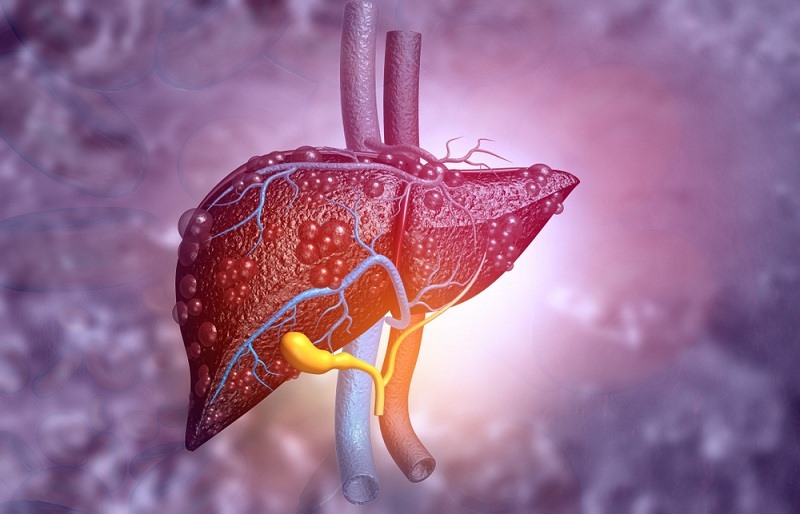
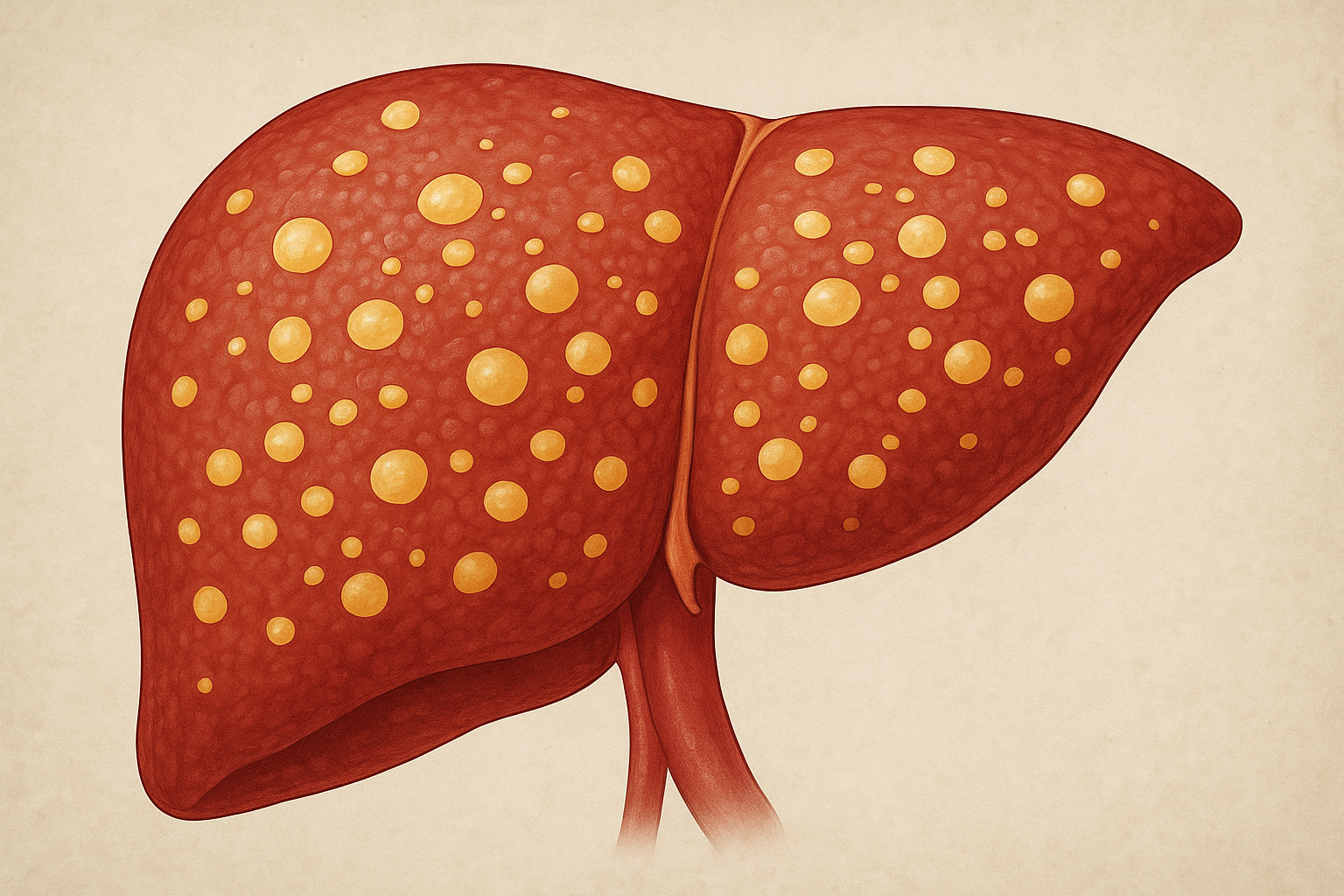
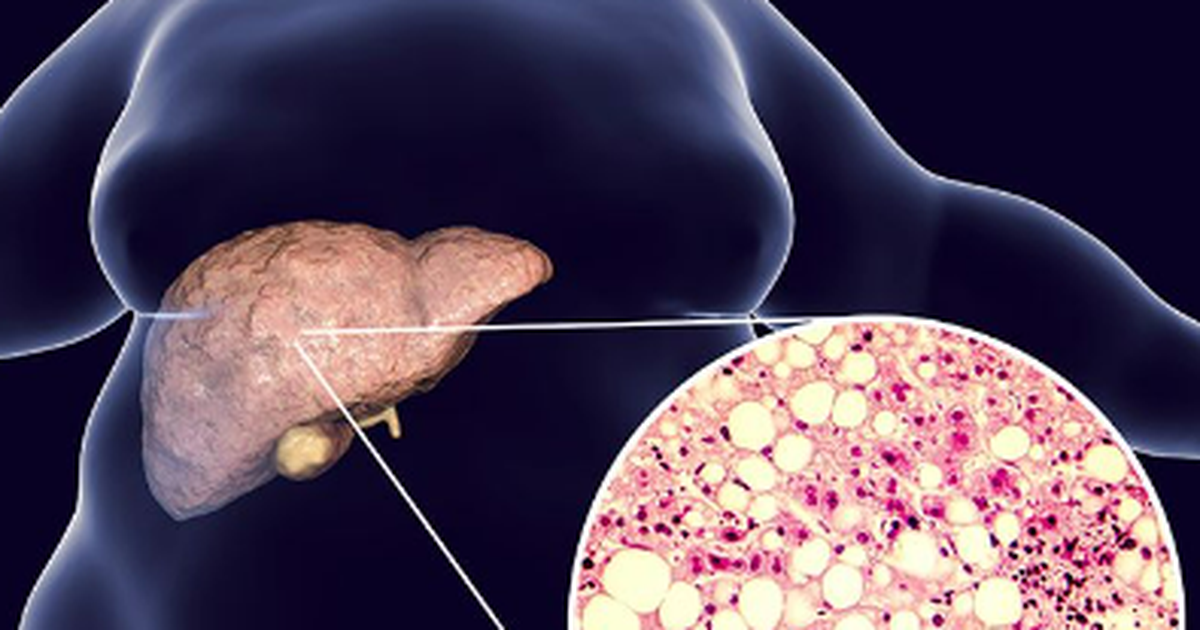
One increasingly common liver condition is fatty liver disease, which occurs when excess fat accumulates in the liver.
The tricky part is that fatty liver disease can develop quietly. Many people have few or no noticeable symptoms, particularly in the earlier stages. When symptoms do occur, they may be vague and easy to mistake for ordinary tiredness, digestive problems, or the effects of a busy lifestyle.
That doesn't mean every symptom below indicates fatty liver disease. Many other conditions can cause the same changes.
Still, knowing what to watch for can help you recognize when it's worth talking with a healthcare professional.
Here are 8 possible symptoms and warning signs that may be associated with fatty liver disease.
1. Persistent Fatigue
Feeling tired after a long day is completely normal.
But persistent fatigue that doesn't seem to improve with adequate rest may deserve attention, especially when it occurs alongside other unexplained changes.
Some people with fatty liver disease report feeling unusually tired or lacking energy.
The challenge is that fatigue is extremely nonspecific.
It can also be associated with:
-
Poor sleep
-
Stress
-
Anemia
-
Thyroid problems
-
Infections
-
Depression
-
Nutritional deficiencies
-
Medication effects
-
Other chronic conditions
So fatigue alone cannot tell you whether your liver is affected.
If you're constantly exhausted without an obvious explanation, it's worth discussing the symptom with a healthcare professional rather than assuming it's simply part of getting older or being busy.
2. Discomfort in the Upper-Right Abdomen
The liver is located in the upper-right portion of the abdomen, beneath the rib cage.
Some people with liver conditions may experience discomfort or a feeling of fullness in this area.
It may feel like:
-
A dull ache
-
Pressure
-
Fullness
-
Mild tenderness
-
An uncomfortable sensation beneath the ribs
However, abdominal discomfort can come from many other organs and conditions.
For example, digestive issues, gallbladder problems, muscle strain, and other abdominal conditions can produce similar sensations.
That's why persistent or unexplained discomfort shouldn't automatically be labeled as a liver problem.
If the discomfort continues or becomes more severe, seek medical evaluation.
3. Unexplained Weight Changes
Weight changes can sometimes accompany metabolic problems associated with fatty liver disease.
However, this is an important area where context matters.
Fatty liver disease is strongly associated with overweight, obesity, insulin resistance, and metabolic syndrome.
In other words, many people with fatty liver may actually gain weight rather than lose it.
Unintentional weight loss is more concerning when it is:
-
Significant
-
Persistent
-
Unexplained
-
Accompanied by loss of appetite
-
Accompanied by weakness or other symptoms
Don't assume that losing weight without trying is automatically a positive sign.
If you're losing weight unexpectedly, it's worth finding out why.
4. Loss of Appetite or Feeling Full Quickly
Changes in appetite can happen for many reasons.
Stress, infections, digestive problems, medications, and numerous other health conditions can affect how hungry you feel.
Some people with liver disease may experience reduced appetite or feel full more quickly than usual.
You might notice that:
-
You aren't interested in food
-
Normal portions suddenly feel too large
-
You feel full after eating only a small amount
-
Food seems less appealing
If appetite changes persist, particularly when accompanied by weight loss, nausea, abdominal swelling, or significant fatigue, talk with a healthcare professional.
5. Nausea or General Digestive Discomfort
Some people with liver disease may experience nausea or vague digestive symptoms.
You might notice:
-
Nausea
-
Mild abdominal discomfort
-
Feeling unusually full
-
Changes in appetite
-
General digestive uneasiness
But these symptoms are incredibly common and can result from something as simple as a stomach bug or dietary change.
They can also be associated with:
-
Acid reflux
-
Gastritis
-
Food intolerance
-
Gallbladder problems
-
Medication side effects
-
Anxiety
-
Infections
The key is persistence.
Occasional nausea isn't automatically a liver warning sign.
Persistent nausea combined with other unexplained symptoms deserves more attention.
6. Abdominal Swelling
Abdominal swelling can have many causes.
Sometimes it's simply temporary bloating caused by food, constipation, gas, or digestive changes.
However, significant or persistent abdominal enlargement can be associated with fluid accumulation in the abdomen, particularly in more advanced liver disease.
This is different from ordinary bloating.
You might notice:
-
Your abdomen becoming increasingly enlarged
-
A persistent feeling of fullness
-
Difficulty fitting into clothes that normally fit
-
Swelling that doesn't improve as expected
If your abdomen suddenly becomes very swollen, painful, or tense, seek medical attention.
Don't assume that persistent abdominal enlargement is simply "bloating."
7. Yellowing of the Skin or Eyes
Yellowing of the skin or the whites of the eyes is called jaundice.
It occurs when bilirubin, a yellow pigment produced during the breakdown of red blood cells, builds up in the body.
Jaundice can occur with various liver and bile-related conditions.
You may notice:
-
Yellowish skin
-
Yellowing in the whites of the eyes
-
Darker-than-usual urine
-
Pale or unusually light-colored stools
Jaundice isn't something to ignore.
It doesn't necessarily mean you have fatty liver disease, but it can indicate a problem that deserves medical evaluation.
If you develop new yellowing of the skin or eyes, contact a healthcare professional promptly.
8. Swelling in the Legs or Ankles
Swelling in the lower legs, ankles, or feet can have many causes.
For example:
-
Sitting for long periods
-
Certain medications
-
Heart problems
-
Kidney problems
-
Venous circulation problems
-
Liver disease
In more advanced liver disease, changes in fluid balance and reduced production of certain proteins can contribute to fluid accumulation.
You might notice:
-
Sock marks around your ankles
-
Puffy feet
-
Swollen ankles
-
Legs that feel heavier than usual
Persistent or unexplained swelling should be evaluated rather than automatically attributed to standing or sitting too long.
Why Fatty Liver Disease Can Be Difficult to Recognize
One of the biggest challenges with fatty liver disease is that it can be silent.
A person may have fat accumulation in the liver while feeling completely normal.
That's why waiting for symptoms isn't always the best strategy.
Risk factors can provide important clues.
Fatty liver disease is commonly associated with metabolic factors such as:
-
Overweight or obesity
-
Abdominal obesity
-
Type 2 diabetes
-
Insulin resistance
-
High triglycerides
-
Abnormal cholesterol levels
-
High blood pressure
-
Metabolic syndrome
Alcohol consumption can also contribute to fatty liver, depending on the amount and pattern of drinking.
This means someone can have a fatty liver even if they don't experience pain or obvious symptoms.
What Causes Fatty Liver?
Fatty liver isn't caused by one single factor.
There are different forms and causes.
One major category is metabolic dysfunction-associated steatotic liver disease, commonly abbreviated as MASLD.
It is associated with metabolic risk factors such as excess body weight, insulin resistance, diabetes, and abnormal blood lipids.
Another category is alcohol-associated liver disease, which can develop when alcohol consumption contributes to excessive fat accumulation and liver injury.
Certain medications, genetic conditions, and other medical conditions can also contribute to liver fat accumulation.
This is why identifying the cause matters.
Is Fatty Liver Always Dangerous?
Not necessarily.
Some people have fat accumulation without significant liver injury.
In other people, however, fatty liver can progress to inflammation and liver damage.
Over time, chronic liver injury can lead to:
Fat accumulation → inflammation → fibrosis → advanced scarring
Not everyone progresses through these stages.
But people with significant risk factors or evidence of liver injury may need medical monitoring.
This is one reason early recognition is useful.
Can Fatty Liver Cause Pain?
It can, but not always.
Some people report discomfort or fullness in the upper-right abdomen.
Others have no pain whatsoever.
Therefore:
No pain does not necessarily mean your liver is healthy.
And:
Pain in the upper-right abdomen does not automatically mean you have fatty liver.
Symptoms must be interpreted in context.
What About a Bloated Stomach?
It's easy to confuse bloating with liver-related abdominal swelling.
Ordinary bloating may fluctuate throughout the day.
It may be related to:
-
Gas
-
Constipation
-
Certain foods
-
Eating too quickly
-
Food intolerances
Liver-related fluid accumulation is a different process and can become persistent.
If your abdomen remains unusually enlarged or progressively becomes more swollen, it's important to have it evaluated.
Can Fatty Liver Cause Dark Urine?
Dark urine can occur for many reasons.
Dehydration is one of the most common.
However, dark urine combined with yellow skin or eyes can occur when bilirubin levels increase.
If your urine becomes unusually dark and you also notice jaundice, pale stools, significant abdominal symptoms, or other concerning changes, seek medical advice.
Don't assume that drinking more water will solve the problem without understanding the cause.
What About Pale or Clay-Colored Stools?
Changes in stool color can sometimes be associated with problems involving bile flow.
Bile contributes to the normal brown color of stool.
Very pale, gray, or clay-colored stools can therefore warrant medical evaluation, particularly when accompanied by jaundice or dark urine.
Again, this doesn't automatically mean fatty liver.
Gallbladder and bile duct problems can also cause similar changes.
Who Is More Likely to Develop Fatty Liver?
Risk tends to increase in people with certain metabolic conditions.
These can include:
Overweight or obesity
Especially when excess fat is concentrated around the abdomen.
Type 2 diabetes
Insulin resistance is closely connected with fatty liver.
High triglycerides
Elevated blood fats can occur alongside fatty liver.
High blood pressure
This is another component of metabolic syndrome.
Abnormal cholesterol
Unhealthy lipid levels can accompany metabolic dysfunction.
Sedentary lifestyle
Low physical activity can contribute to metabolic problems.
Excessive alcohol consumption
Alcohol can contribute to liver fat accumulation and liver injury.
Having one risk factor doesn't guarantee that you have fatty liver.
But several risk factors together may make evaluation more worthwhile.
Can You Have Fatty Liver If You're Not Overweight?
Yes.
Although excess weight is an important risk factor, fatty liver can also occur in people who aren't visibly overweight.
Genetics, metabolic health, diet, physical activity, medications, alcohol consumption, and other factors can influence risk.
This is why body size alone cannot determine whether your liver is healthy.
How Is Fatty Liver Detected?
Because symptoms can be subtle or absent, healthcare professionals may use several methods to evaluate liver health.
These may include:
-
Medical history
-
Physical examination
-
Blood tests
-
Liver enzyme testing
-
Ultrasound
-
Other imaging tests
-
Specialized assessments of liver stiffness
-
Additional testing when necessary
A blood test can provide useful information, but normal liver enzymes don't always rule out every form of liver disease.
That's why the evaluation needs to consider the entire clinical picture.
Can Fatty Liver Be Improved?
In many cases, lifestyle changes can make a meaningful difference.
If excess body weight is contributing to fatty liver, gradual weight loss can reduce liver fat.
Physical activity can also improve metabolic health.
Helpful changes may include:
-
Eating more vegetables
-
Choosing whole grains
-
Increasing fiber intake
-
Reducing sugary drinks
-
Limiting highly processed foods
-
Controlling portion sizes
-
Exercising regularly
-
Limiting alcohol
-
Managing blood sugar
-
Managing cholesterol and triglycerides
You don't need to change everything overnight.
Small improvements that you can maintain are often more useful than extreme diets that last only a few weeks.
Don't Fall for "Liver Detox" Claims
If you search online for fatty liver solutions, you'll find countless products claiming to "cleanse" or "detox" your liver.
Be skeptical.
Your liver doesn't need a special juice, tea, powder, or supplement to perform its normal functions.
Some supplements can even cause liver injury.
A healthier strategy is much less exciting:
Eat well. Move regularly. Maintain a healthy weight. Limit alcohol. Manage metabolic conditions.
Those fundamentals matter far more than a trendy detox product.
What Should You Eat for Better Liver Health?
There isn't one magical liver-cleansing food.
Instead, focus on an overall balanced dietary pattern.
Consider eating more:
-
Vegetables
-
Whole fruits
-
Beans
-
Lentils
-
Whole grains
-
Nuts
-
Seeds
-
Fish
-
Lean protein
-
Unsaturated fats
At the same time, consider reducing your intake of:
-
Sugary beverages
-
Highly processed snacks
-
Excessive sweets
-
Large portions of fried foods
-
Processed meats
-
Excessive alcohol
The goal isn't perfection.
It's creating a pattern you can maintain for years.
Why Exercise Matters
Physical activity can benefit liver health even when the number on the scale doesn't change dramatically.
Exercise can help improve:
-
Insulin sensitivity
-
Blood sugar regulation
-
Cardiovascular fitness
-
Muscle health
-
Metabolic function
Try activities you actually enjoy.
That could be:
-
Walking
-
Cycling
-
Swimming
-
Dancing
-
Strength training
-
Hiking
-
Recreational sports
Consistency is more important than choosing the "perfect" workout.
When Should You Talk to a Healthcare Professional?
Consider discussing liver health with a healthcare professional if you have multiple risk factors or persistent symptoms.
You should particularly seek medical advice if you notice:
-
Yellowing of the eyes or skin
-
Persistent abdominal swelling
-
Unexplained weight loss
-
Significant or persistent abdominal pain
-
Dark urine combined with other symptoms
-
Persistent nausea
-
Significant fatigue
-
Unexplained swelling of the legs
These symptoms can have many causes, but they shouldn't be ignored.
8 Possible Signs to Remember
For a quick recap, possible symptoms associated with liver disease can include:
1. Persistent fatigue
2. Upper-right abdominal discomfort
3. Unexplained weight changes
4. Loss of appetite or early fullness
5. Persistent nausea or digestive discomfort
6. Abdominal swelling
7. Yellowing of the skin or eyes
8. Swelling of the legs or ankles
But remember:
These symptoms are not specific to fatty liver disease.
You cannot diagnose fatty liver simply by checking yourself against a symptom list.
The Bottom Line
Fatty liver disease can be difficult to recognize because many people experience few or no symptoms in the early stages.
When symptoms do occur, they may include fatigue, abdominal discomfort, appetite changes, nausea, swelling, jaundice, or other nonspecific changes.
The more important question isn't simply:
"Do I have one of these symptoms?"
It's:
"Do I have symptoms combined with risk factors that could affect my liver?"
If you have excess abdominal weight, diabetes, high triglycerides, metabolic problems, heavy alcohol consumption, or a family history of liver disease, discussing your liver health with a healthcare professional may be worthwhile—even if you feel perfectly fine.
And if you notice jaundice, persistent abdominal swelling, significant unexplained weight loss, or other concerning changes, don't rely on home remedies or internet searches to determine what's happening.
Your liver can be surprisingly quiet when something is wrong. Paying attention to persistent changes and addressing risk factors early can be an important part of protecting your long-term health.