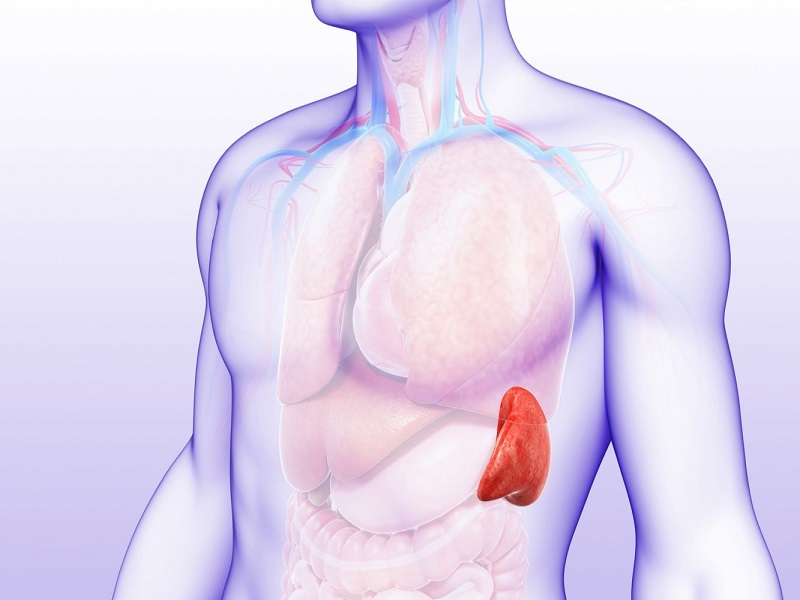
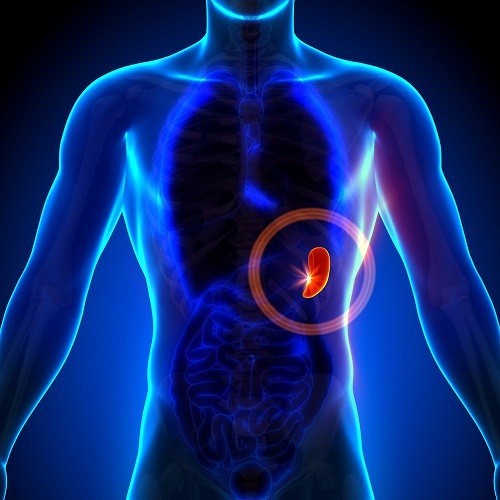
The spleen is one of the most overlooked organs in the human body. Most people rarely think about it until a medical problem arises, yet this fist-sized organ plays several important roles in maintaining your health. Located in the upper left side of the abdomen, just beneath the rib cage, the spleen helps filter blood, supports the immune system, stores platelets, and removes old or damaged red blood cells.
Although spleen disorders are relatively uncommon, they can occur due to infections, blood disorders, autoimmune diseases, liver disease, injuries, or, more rarely, certain cancers such as lymphoma. Because many spleen conditions develop gradually, recognizing possible warning signs can help you seek medical evaluation before complications become more serious.
It's important to remember that these symptoms are not specific to spleen disease. Many other medical conditions can cause similar symptoms. If you notice persistent or concerning changes, consult a healthcare professional for proper evaluation.
Here are 9 symptoms that may indicate your spleen needs medical attention.
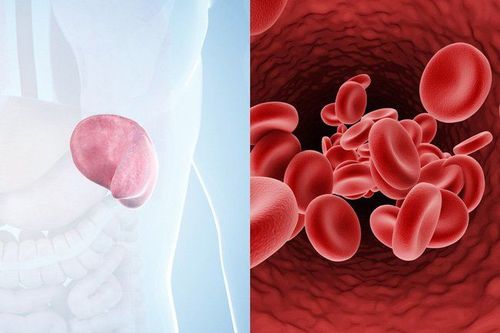
What Does the Spleen Do?
The spleen performs several important functions.
It helps:
-
Filter bacteria and damaged blood cells from the bloodstream
-
Support immune responses
-
Store platelets
-
Recycle iron from aging red blood cells
-
Produce certain immune cells that help fight infection
Although people can live without a spleen, they become more vulnerable to certain serious infections and may require additional vaccinations and preventive medical care.
Where Is the Spleen Located?
The spleen sits:
-
In the upper left side of the abdomen
-
Beneath the left rib cage
-
Near the stomach
-
Close to the pancreas and left kidney
Normally, a healthy spleen cannot usually be felt during a physical examination.
When enlarged, however, a healthcare provider may be able to feel it beneath the rib cage.
What Is an Enlarged Spleen?
An enlarged spleen is called splenomegaly.
Rather than being a disease itself, splenomegaly is often a sign of another underlying condition.
Possible causes include:
-
Viral infections
-
Bacterial infections
-
Blood disorders
-
Liver disease
-
Autoimmune diseases
-
Certain cancers, including lymphoma and leukemia
-
Parasitic infections
Finding the underlying cause is essential for proper treatment.
1. Pain or Fullness in the Upper Left Abdomen
One of the most common symptoms of an enlarged spleen is discomfort beneath the left rib cage.
The pain may feel:
-
Dull
-
Aching
-
Pressure-like
-
Persistent
Sometimes the discomfort worsens during deep breathing or physical activity.
In some cases, the pain may spread toward the left shoulder.
2. Feeling Full After Eating Only a Small Amount
An enlarged spleen can press against the stomach.
This may cause:
-
Early fullness
-
Reduced appetite
-
Feeling satisfied after only a few bites of food
This symptom is known as early satiety.
Although many digestive conditions can also cause early fullness, persistent symptoms deserve medical evaluation.
3. Fatigue or Weakness
Many spleen disorders occur alongside conditions that affect the blood.
These may include:
-
Anemia
-
Chronic infections
-
Blood cancers
As a result, some people experience:
-
Persistent fatigue
-
Reduced energy
-
Weakness
-
Difficulty exercising
Fatigue has many possible causes, making medical evaluation important.
4. Frequent or Recurrent Infections
Because the spleen plays an important role in immune function, certain spleen disorders may affect the body's ability to fight infections.
Possible signs include:
-
Frequent respiratory infections
-
Recurrent bacterial infections
-
Slow recovery from illness
Keep in mind that frequent infections can also result from many unrelated medical conditions.
5. Easy Bruising or Bleeding
The spleen stores platelets, which help blood clot.
Some spleen conditions may cause platelets to become trapped inside an enlarged spleen.
This can lead to lower platelet levels in the bloodstream.
Possible symptoms include:
-
Easy bruising
-
Frequent nosebleeds
-
Bleeding gums
-
Prolonged bleeding after small cuts
These symptoms should always be evaluated by a healthcare professional.
6. Unexplained Weight Loss
Losing weight without trying is never something to ignore.
Possible causes include:
-
Chronic infections
-
Digestive disorders
-
Hormonal conditions
-
Blood disorders
-
Certain cancers
If unexplained weight loss occurs alongside an enlarged spleen or persistent abdominal discomfort, medical evaluation is especially important.
7. Fever or Night Sweats
Persistent fever without an obvious cause may indicate:
-
Infection
-
Autoimmune disease
-
Certain blood cancers
Night sweats that repeatedly soak clothing or bedding should also be discussed with a healthcare provider, particularly if accompanied by weight loss or enlarged lymph nodes.
8. Anemia or Pale Skin
When the spleen becomes overactive—a condition known as hypersplenism—it may remove blood cells from circulation more rapidly than normal.
This can contribute to:
-
Anemia
-
Low white blood cell counts
-
Low platelet counts
Symptoms of anemia may include:
-
Pale skin
-
Fatigue
-
Dizziness
-
Shortness of breath during activity
Blood tests can help identify these abnormalities.
9. Pain in the Left Shoulder or Sudden Severe Abdominal Pain
Pain that spreads to the left shoulder—known as Kehr's sign—can sometimes occur if the spleen is injured or ruptures.
A ruptured spleen is a medical emergency.
Symptoms may include:
-
Sudden severe pain in the upper left abdomen
-
Pain radiating to the left shoulder
-
Dizziness
-
Rapid heartbeat
-
Fainting
-
Low blood pressure
Seek emergency medical care immediately if these symptoms develop, particularly after trauma.
Common Causes of Spleen Problems
Several conditions may affect the spleen.
Infections
Examples include:
-
Infectious mononucleosis (Epstein-Barr virus)
-
Tuberculosis
-
Malaria
-
Certain bacterial infections
During some infections, the spleen temporarily enlarges while helping the immune system respond.
Liver Disease
Advanced liver disease may increase pressure in veins connected to the spleen.
This can contribute to splenomegaly.
Blood Disorders
Conditions such as:
-
Sickle cell disease
-
Hemolytic anemia
-
Thalassemia
may affect spleen function.
Blood Cancers
Certain cancers involving blood or lymphatic tissues may enlarge the spleen.
Examples include:
-
Lymphoma
-
Leukemia
-
Myeloproliferative disorders
Primary cancer originating in the spleen itself is very rare.
Autoimmune Diseases
Conditions such as:
-
Lupus
-
Rheumatoid arthritis
-
Autoimmune hemolytic anemia
can sometimes involve the spleen.
How Are Spleen Problems Diagnosed?
Evaluation usually begins with:
-
Medical history
-
Physical examination
Additional tests may include:
-
Complete blood count (CBC)
-
Liver function tests
-
Ultrasound
-
CT scan
-
MRI
-
Blood smears
-
Bone marrow testing (in selected cases)
The appropriate tests depend on the suspected cause.
Can You Live Without a Spleen?
Yes.
Some people require surgical removal of the spleen, known as a splenectomy, because of injury, blood disorders, or other conditions.
The liver and other organs can perform many of the spleen's functions.
However, individuals without a spleen have a higher risk of severe infections caused by certain bacteria.
For this reason, healthcare providers often recommend:
-
Specific vaccinations
-
Prompt treatment of infections
-
Medical identification indicating the absence of a spleen
Protecting Your Spleen
Simple habits that support overall health include:
-
Wearing seat belts properly
-
Using protective equipment during contact sports
-
Avoiding excessive alcohol intake
-
Staying up to date with recommended vaccinations
-
Seeking medical care for persistent infections
People with an enlarged spleen may be advised to avoid contact sports because of the risk of rupture.
Healthy Lifestyle Habits
Although no specific diet prevents spleen disease, general healthy habits support immune function and overall well-being.
Aim to:
-
Eat a balanced diet rich in fruits and vegetables.
-
Include whole grains and lean protein.
-
Stay physically active.
-
Get enough sleep.
-
Avoid smoking.
-
Limit alcohol if you drink.
These habits benefit many organs, including the immune system.
Common Myths About the Spleen
Myth 1: You Can't Live Without a Spleen
False.
Many people live healthy lives after splenectomy, although they require additional precautions against infection.
Myth 2: Left-Sided Abdominal Pain Always Means a Spleen Problem
Many conditions—including stomach ulcers, kidney stones, muscle injuries, and intestinal disorders—can also cause pain in this area.
Myth 3: Every Enlarged Spleen Means Cancer
False.
Most cases of splenomegaly are caused by infections, liver disease, or blood disorders rather than cancer.
Myth 4: Spleen Disorders Always Cause Symptoms
Some spleen conditions produce few or no symptoms and are discovered during imaging or routine blood tests.
When Should You Seek Immediate Medical Care?
Go to the nearest emergency department if you experience:
-
Sudden severe pain in the upper left abdomen
-
Pain after abdominal injury
-
Pain spreading to the left shoulder
-
Fainting
-
Difficulty breathing
-
Signs of internal bleeding
These symptoms may indicate a ruptured spleen or another medical emergency.
When Should You See Your Doctor?
Schedule a medical evaluation if you have:
-
Persistent pain beneath the left ribs
-
Early fullness after meals
-
Unexplained weight loss
-
Frequent infections
-
Easy bruising
-
Ongoing fatigue
-
Persistent fever
-
Night sweats
Early evaluation helps identify the underlying cause and guide appropriate treatment.
The Bottom Line
The spleen is an important part of the immune and blood-filtering systems. While spleen disorders are relatively uncommon, symptoms such as pain beneath the left rib cage, early fullness after eating, fatigue, recurrent infections, easy bruising, unexplained weight loss, fever, anemia, and sudden severe abdominal pain may indicate that the spleen—or another organ—requires medical attention.
These symptoms do not necessarily mean you have spleen cancer or another serious disease, but they should not be ignored if they persist or worsen.
Final Thoughts
Although it rarely gets the attention given to the heart, liver, or kidneys, the spleen plays a vital role in keeping your body healthy. Understanding its function and recognizing possible warning signs can help you seek timely medical care when needed.
If you notice ongoing symptoms such as persistent discomfort under your left ribs, unusual fatigue, easy bruising, or unexplained weight loss, don't rely on self-diagnosis. A healthcare professional can determine whether your symptoms are related to the spleen or another condition and recommend the appropriate tests or treatment.
Early evaluation is often the best step toward protecting both your spleen and your overall health.