Be Careful If Your Body Itches and These Bumps Appear on Your Skin... ⚠️
Itchy skin combined with bumps, rashes, or raised spots can be uncomfortable — and sometimes concerning. In many cases, these symptoms are caused by harmless conditions such as allergies or dry skin. However, persistent itching and unusual bumps may occasionally signal infections, inflammatory skin disorders, or other underlying health issues.
Because many skin conditions look similar, it’s important not to ignore symptoms that continue to worsen or spread.
Here’s what doctors say about some common causes of itchy skin and bumps.
1. Allergic Reactions
One of the most common causes of itchy bumps is an allergic reaction.
Your skin may react to:
- Foods
- Medications
- Insect bites
- Soaps or cosmetics
- Laundry detergents
- Plants such as poison ivy
Symptoms may include:
- Red bumps
- Hives
- Swelling
- Intense itching
In severe cases, allergic reactions can become dangerous and may require emergency treatment.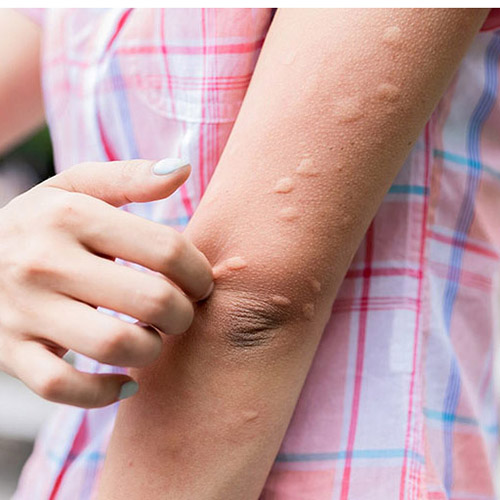
2. Eczema
Eczema, also called atopic dermatitis, is a chronic skin condition that causes:
- Dry skin
- Itching
- Red patches
- Small bumps
- Cracked or irritated skin
Scratching may make symptoms worse and increase the risk of infection.
Eczema often appears on:
- Hands
- Arms
- Behind the knees
- Neck
- Face
3. Heat Rash
Hot weather and sweating can block sweat glands, leading to heat rash.
This may cause:
- Tiny itchy bumps
- Redness
- Prickling sensations
Heat rash is common in warm, humid environments and usually improves once the skin cools down.
4. Fungal Infections
Certain fungal infections can cause itchy patches or bumps on the skin.
Common signs may include:
- Circular rashes
- Flaky skin
- Redness
- Burning or itching
Conditions such as ringworm and athlete’s foot are examples of fungal skin infections.
5. Hives (Urticaria)
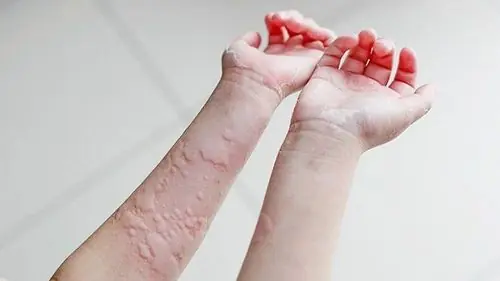
Hives are raised, itchy welts that may appear suddenly.
They can be triggered by:
- Allergies
- Stress
- Infections
- Temperature changes
- Certain foods or medications
Hives may disappear within hours or persist longer in chronic cases.
6. Scabies
Scabies is caused by tiny mites that burrow into the skin.
Symptoms often include:
- Severe itching, especially at night
- Small bumps or blisters
- Thin burrow lines on the skin
Scabies spreads through close physical contact and usually requires medical treatment.
7. Psoriasis
Psoriasis is an autoimmune skin condition that speeds up skin cell growth.
It may cause:
- Thick, scaly patches
- Red or silvery plaques
- Itching
- Cracked skin
Symptoms often appear on:
- Elbows
- Knees
- Scalp
- Lower back
8. Contact Dermatitis
This happens when the skin reacts after touching an irritating substance.
Possible triggers include:
- Cleaning chemicals
- Metals like nickel
- Fragrances
- Certain fabrics
The rash may appear exactly where the skin touched the irritant.
When Itching and Bumps Could Signal Something More Serious
Although many skin conditions are mild, doctors warn that certain symptoms deserve prompt medical attention.
Seek medical care if you experience:
- Rapidly spreading rash
- Fever
- Difficulty breathing
- Swelling of the face or throat
- Pus or signs of infection
- Severe pain
- Skin discoloration that worsens
- Persistent unexplained itching
In rare cases, itching can also be linked to internal health conditions involving the liver, kidneys, thyroid, or immune system.
How to Relieve Mild Symptoms at Home
Depending on the cause, doctors may recommend:
- Moisturizing the skin regularly
- Avoiding harsh soaps
- Using cool compresses
- Wearing loose clothing
- Avoiding scratching
- Taking antihistamines for allergies
- Keeping the skin cool and dry
However, persistent symptoms should still be evaluated professionally.
Can Stress Cause Itchy Skin?
Yes. Stress and anxiety can sometimes worsen skin conditions such as:
- Eczema
- Hives
- Psoriasis
Stress may also increase the urge to scratch, creating a cycle of irritation.
Final Thoughts
Itchy skin and bumps are common and often harmless, but they should not always be ignored — especially if symptoms persist, spread, or become severe.
Skin changes can provide important clues about what’s happening inside the body. Getting an accurate diagnosis is the best way to identify the cause and receive the proper treatment.
Sources
- American Academy of Dermatology
- Mayo Clinic – Skin Rash Causes
- Cleveland Clinic – Itchy Skin (Pruritus)
- National Eczema Association