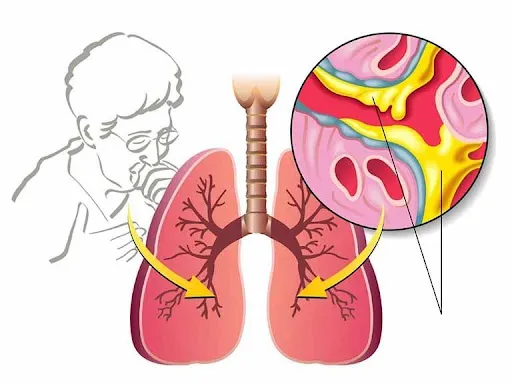
Constant phlegm - the feeling of mucus stuck in your throat or chest - can be frustrating, uncomfortable, and sometimes even embarrassing. Many people assume it’s just a lingering cold or something minor, but when it persists for weeks or months, it usually points to an underlying issue.
What makes it tricky is that the real causes are often overlooked. Instead of treating the root problem, many people rely on temporary fixes like cough syrups or throat lozenges, which only mask the symptoms.
Let’s break down the four hidden causes behind constant phlegm and what your body may be trying to tell you.

⚠️ 1. Postnasal Drip (Chronic Sinus Issues)
One of the most common yet overlooked causes of constant phlegm is postnasal drip. This happens when excess mucus from your nasal passages drips down the back of your throat.
Why it happens:
- Allergies (dust, pollen, pet dander)
- Chronic sinus infections
- Cold or flu recovery
Signs to watch for:
- Frequent throat clearing
- A sensation of mucus stuck in the throat
- Worse symptoms at night or in the morning
Even when you don’t feel “sick,” your sinuses may still be producing excess mucus.
⚠️ 2. Acid Reflux (Silent GERD)
Many people are surprised to learn that acid reflux can cause phlegm—even without heartburn.
This condition, often called silent reflux, occurs when stomach acid travels up into the throat, irritating the lining and triggering mucus production as a protective response.
Signs to watch for:
- Hoarseness or a raspy voice
- A lump-in-the-throat sensation
- Chronic throat clearing
- Symptoms worse after eating or lying down
Because it doesn’t always cause obvious burning pain, it’s often missed.
⚠️ 3. Chronic Dehydration
Mucus consistency depends heavily on hydration. When your body lacks enough fluids, mucus becomes thicker, stickier, and harder to clear.
Why this matters:
- Thick mucus lingers longer in the throat
- It creates the feeling of constant phlegm
- You may feel the need to clear your throat frequently
Common mistake:
People drink coffee, tea, or sugary beverages but not enough plain water—leading to subtle dehydration.
⚠️ 4. Diet and Lifestyle Triggers
Certain foods and habits can increase mucus production or worsen existing symptoms.
Common triggers include:
- Excess dairy (in some individuals)
- Fried or oily foods
- Sugary drinks
- Smoking or exposure to polluted air
These factors can irritate the respiratory system or affect digestion, indirectly leading to more mucus buildup.
🚨 When Should You Be Concerned?
Constant phlegm is usually not dangerous, but you should pay attention if:
- It lasts longer than 3–4 weeks
- It’s accompanied by coughing, chest pain, or shortness of breath
- The mucus is yellow, green, or contains blood
- You experience unexplained weight loss or fatigue
In these cases, a medical evaluation is important to rule out more serious conditions.
🛠️ How to Reduce Constant Phlegm
1. Stay Properly Hydrated
Drink enough water throughout the day to keep mucus thin and easier to clear.
2. Address Underlying Causes
- Treat allergies with proper medication
- Manage acid reflux through diet and timing of meals
- Avoid known triggers
3. Improve Air Quality
Use a humidifier if the air is dry and avoid exposure to smoke or pollutants.
4. Adjust Your Diet
- Reduce processed and greasy foods
- Limit sugar intake
- Pay attention to how your body reacts to dairy
5. Practice Good Nasal Hygiene
Saline rinses or steam inhalation can help clear excess mucus from the sinuses.

💡 Final Thoughts
Constant phlegm isn’t just a random annoyance - it’s often your body signaling that something needs attention. The key is identifying the root cause rather than relying on temporary relief.
By understanding these hidden triggers and making small lifestyle adjustments, you can significantly reduce symptoms and improve your overall comfort.