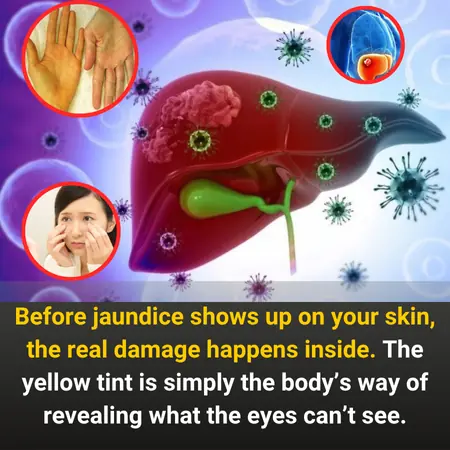
🌕 Jaundice: A Deep Dive Into Causes, Treatment, and Prevention
Jaundice — medically known as icterus — is one of those symptoms you simply cannot ignore. When the skin, eyes, and even the inside of your mouth turn yellow, it’s your body sending a very loud, very urgent message: “Hey, something’s wrong inside.”
And here’s the important part:
Jaundice is not a disease. It’s a sign.
A sign that something in your liver, bile ducts, or blood is out of balance.
🌟 1. What Exactly Is Jaundice? And Why Does Skin Turn Yellow?
To understand jaundice, you need to meet its main character: bilirubin.
Bilirubin is a yellow pigment produced when old red blood cells break down. Normally, the liver filters it out, mixes it with bile, and sends it to the intestines so it can leave your body.
But when this system gets blocked or overwhelmed, bilirubin starts to build up.
And because bilirubin is a pigment, it literally colors your tissues.
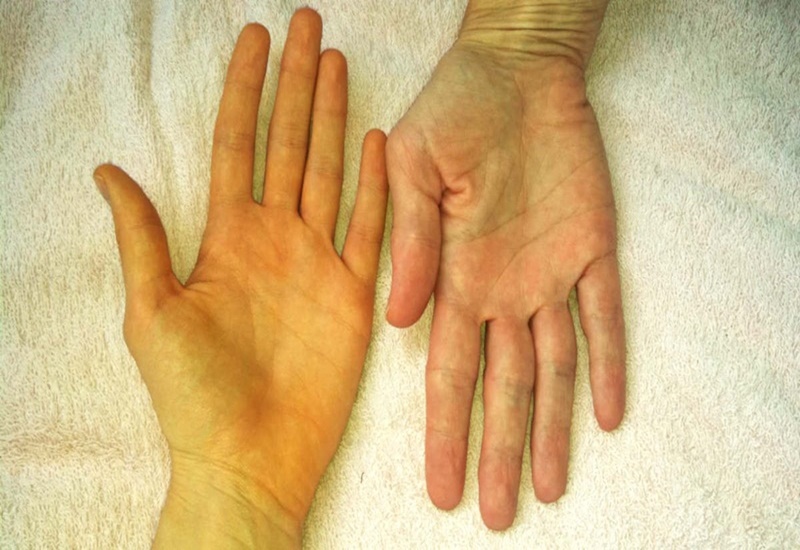
That’s why the first places to turn yellow are:
-
the whites of your eyes
-
your face
-
your palms
-
the inside of your mouth
Once bilirubin enters your bloodstream in high amounts, the whole body gets the memo.
🌟 2. The Deep Causes of Jaundice (Why It Happens)

To make this simple, doctors divide jaundice causes into three main groups:
⭐ A. Pre-Hepatic Causes (Before the Liver)
These are problems that happen before bilirubin even reaches the liver.
The main issue here?
Red blood cells are breaking down way too fast, creating more bilirubin than the liver can handle.
This is called hemolysis.
Common pre-hepatic causes:
-
Hemolytic anemia
-
Sickle cell disease
-
Thalassemia
-
Autoimmune blood disorders
-
G6PD deficiency
-
Certain infections (malaria, sepsis)
-
Blood transfusion incompatibility
How this causes jaundice:
More RBC breakdown → more bilirubin → liver overwhelmed → bilirubin backs up → yellow skin
This type of jaundice often comes with:
-
dark urine
-
fatigue
-
fast heart rate
-
pale skin
⭐ B. Hepatic Causes (Inside the Liver)

These conditions affect the liver directly — this is the most common category.
Basically, your liver becomes too damaged or inflamed to filter bilirubin properly.
Common hepatic causes:
-
Hepatitis (A, B, C, autoimmune, drug-induced)
-
Fatty liver disease (alcoholic or non-alcoholic)
-
Cirrhosis
-
Liver cancer
-
Genetic disorders (Gilbert syndrome)
-
Poisoning (alcohol, toxins, certain meds like paracetamol overdose)
Symptoms often include:
-
yellow skin and eyes
-
abdominal pain (upper right side)
-
nausea and vomiting
-
extreme fatigue
-
dark tea-colored urine
-
light or clay-colored stools
If the liver is inflamed or scarred, bilirubin just… stays stuck in the blood.
⭐ C. Post-Hepatic Causes (After the Liver)
This is “obstructive jaundice,” meaning bilirubin can’t leave the liver because something is blocking the bile ducts.
Common post-hepatic causes:
-
gallstones
-
bile duct inflammation
-
pancreatic tumors
-
bile duct tumors
-
strictures (narrowing of the ducts)
-
post-surgery complications
Symptoms include:
-
severe abdominal pain
-
itching
-
pale or chalky stools
-
dark urine
-
loss of appetite
-
nausea
Think of it like plumbing:
If the bile duct is blocked, bile can’t flow → bilirubin backs up → jaundice appears.
🌟 3. Signs and Symptoms: How to Recognize Jaundice Early
Even without a medical degree, you can absolutely tell when jaundice is happening. Here are the main red flags:
✔ 1. Yellow skin
Starts at the face → spreads downward.
✔ 2. Yellowing of the sclera (white of the eyes)
This is the easiest sign to spot.
✔ 3. Dark urine
Even if you’re drinking enough water.
✔ 4. Pale or clay-colored stool
Means bilirubin isn’t reaching your intestines.
✔ 5. Itchy skin
Very common with bile duct blockage.
✔ 6. Fatigue, weakness, loss of appetite
✔ 7. Nausea or vomiting
✔ 8. Pain in the upper right abdomen
Where the liver lives.
If jaundice comes with fever, severe pain, or confusion → it’s an emergency.
🌟 4. Diagnosis: How Doctors Figure Out What’s Really Going On
When jaundice appears, doctors don’t just treat the yellow color.
They go searching for the underlying cause.
Recommended tests include:
✔ Blood tests:
-
Liver function tests (ALT, AST, ALP, GGT)
-
Bilirubin levels (direct/indirect)
-
Complete blood count
-
Tests for hepatitis viruses
-
Hemolysis markers
✔ Imaging tests:
-
Ultrasound
-
CT scan
-
MRI (MRCP for bile ducts)
✔ Specialized tests:
-
Genetic testing
-
Liver biopsy (if needed)
Once the cause is clear, treatment can be targeted and effective.
🌟 5. Treatment: How Jaundice Is Managed
Here’s the key:
You don’t treat jaundice itself — you treat the condition causing it.
Let’s break it down:
⭐ A. Treating Pre-Hepatic Jaundice
Goal: Slow down the breakdown of red blood cells.
Treatment options:
-
Treat underlying infections
-
Steroids for autoimmune hemolysis
-
Blood transfusions
-
Managing genetic conditions like G6PD
-
Avoiding triggering medications or foods
⭐ B. Treating Hepatic Jaundice
Goal: Support the liver and reduce inflammation.
Treatments depend on the cause:
-
Antiviral therapy (for hepatitis)
-
Alcohol cessation + liver detox support
-
Medications for autoimmune hepatitis
-
Lifestyle changes (diet, exercise, weight reduction)
-
Avoiding liver-toxic drugs
-
Surgery for tumors
-
Liver transplantation (last resort)
⭐ C. Treating Post-Hepatic (Obstructive) Jaundice
Goal: Remove the blockage.
Common treatments:
-
Removing gallstones
-
ERCP (a procedure to open blocked bile ducts)
-
Surgery for tumors
-
Stents to keep ducts open
-
Treating pancreatitis
Once bile flows normally, jaundice clears quickly.
🌟 6. Prevention: How to Protect Yourself From Jaundice
Most causes of jaundice are preventable — or at least manageable.
Here’s how to protect your liver and keep bilirubin in check:
⭐ A. Protect Your Liver
Your liver = your body’s ultimate detox machine.
Do this:
-
Maintain a healthy weight
-
Avoid excessive alcohol
-
Eat a liver-friendly diet (fruits, veggies, low-fat foods)
-
Avoid smoking
-
Exercise regularly
-
Stay hydrated
⭐ B. Prevent Hepatitis
✔ Get vaccinated for hepatitis A and B
There’s no vaccine for hepatitis C, so protect yourself.
✔ Avoid sharing needles, razors, or toothbrushes
✔ Practice safe food hygiene
✔ Use protection during sex
✔ Be careful with blood exposure
⭐ C. Avoid Liver-Toxic Medications and Chemicals
Some meds harm the liver when overused.
Examples:
-
Acetaminophen (paracetamol) overdose
-
Certain antibiotics
-
Herbal supplements with unknown ingredients
⭐ D. Keep Your Gallbladder Healthy
Gallstones are a major cause of obstructive jaundice.
Reduce your risk:
-
Eat less sugar and refined carbs
-
Maintain a healthy weight
-
Eat fiber-rich foods
-
Stay active
⭐ E. Manage Blood Disorders
If you have a condition like G6PD or hemolytic anemia:
-
Avoid trigger foods
-
Take prescribed medications
-
Get regular blood tests
🌟 7. When Jaundice Is an Emergency
Don’t wait it out.
Jaundice requires immediate medical attention if it comes with:
-
Fever
-
Confusion
-
Severe abdominal pain
-
Rapid weight loss
-
Extreme fatigue
-
Vomiting
-
Bleeding or bruising easily
These signs suggest serious liver disease or bile duct obstruction.
🌿 Conclusion: Jaundice Is a Warning You Can’t Ignore
Jaundice is your body’s alarm system — loud, visible, and impossible to overlook. It tells you that something in your liver, bile ducts, or blood needs attention ASAP.
The good news? When caught early and treated correctly, most causes of jaundice can be managed or completely reversed.
By understanding the causes, recognizing the symptoms, seeking proper treatment, and taking preventive steps, you can protect your liver, strengthen your health, and avoid future complications.
Taking care of your liver = taking care of your whole life.
And jaundice is simply its way of reminding you that your health always deserves attention.