These details allow readers to distinguish between what someone actually said and what another writer claims they said.
The photograph should also be treated separately from the quotation.
An image of Jay-Z with a child may create the impression that the accompanying story is supported by visual evidence. But the photograph cannot prove that the person shown made a later statement.
Even an authentic family photograph establishes only what it actually depicts. It does not verify an interview, reveal someone's private feelings, or establish the context of a conversation.
This is a basic but important principle of media literacy: evidence must support the specific claim being made.
A photograph can support a claim that two people appeared together in a particular setting, provided its origin and context are known. It cannot independently support a claim that one of those people later criticized, praised, or discussed the other in an interview.
Similarly, general statements about the pressure of fame cannot establish the experiences of a specific child.
The linked story appears to combine several elements:
-
A recognizable celebrity name.
-
A photograph that creates an immediate family connection.
-
An unfinished quotation that invites curiosity.
-
General observations about the pressures of growing up around fame.
-
A narrative of emotional honesty, affection, and healing.
-
References to unnamed people supposedly familiar with the conversation.
Together, these elements create the impression of a revealing personal story.
But the central evidence — an identifiable daughter's verified statement — is absent.
Readers should therefore be cautious about sharing the account as confirmed news.
If an original interview becomes available, the details can be assessed more fairly. The identity of the speaker, the exact wording, and the surrounding context may clarify whether the online version accurately represents what was said.
Until then, the responsible conclusion is limited.
The linked account claims that Jay-Z's daughter discussed their relationship, but it does not provide enough information to verify the attribution. It also does not establish that the supposed interview occurred in the form described.
That does not mean that celebrity families never experience private challenges. It does not mean that children of famous parents never struggle with expectations or complicated relationships.
It means that no one should assign specific feelings or statements to an unidentified person without reliable evidence.
Ultimately, the most interesting part of this story may not be the dramatic quotation that begins it.
It may be the question the article leaves unanswered: why does a story presented as a major personal revelation provide so little information about the person who supposedly made it?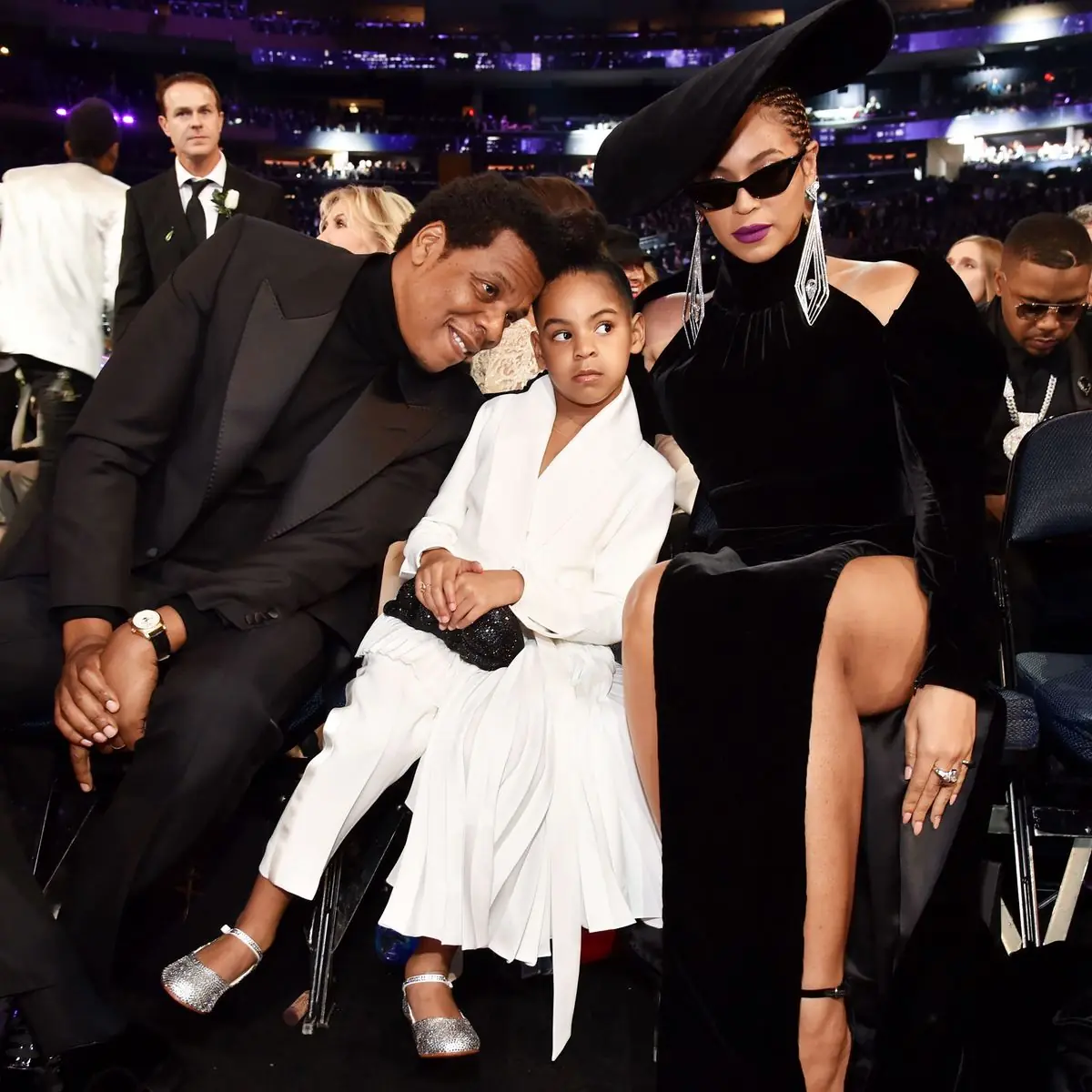
FINAL THOUGHTS: BEHIND EVERY CELEBRITY STORY, THERE SHOULD BE A VERIFIABLE SOURCE
The public fascination with Jay-Z and his family is understandable. His career has made him one of the most recognizable figures in entertainment, and audiences naturally remain curious about the people closest to him.
The possibility of hearing a personal account from one of his children is enough to attract attention, especially when the story promises an emotional look at the difference between public success and private family life.
But curiosity should not replace verification.
The online account attributes sensitive personal comments to an unnamed daughter. It describes an emotional conversation, refers to unnamed people close to the family, and suggests that the remarks offered insight into the relationship between a father and his child.
Yet it does not provide an original interview, a recording, a transcript, a publication date, or enough information to identify the person who supposedly spoke.
The photograph accompanying the story does not fill those gaps.
Until a reliable original source becomes available, the claims should be treated as unverified rather than as a confirmed family revelation.
There is still an important conversation worth having about celebrity families, childhood, parental attention, and the pressure of growing up in the public eye. These issues are real subjects of discussion, and they deserve thoughtful treatment.
But those broader themes should not be used to turn an unsupported account into a factual story about a particular person.
A meaningful personal revelation deserves accurate attribution. A direct quotation deserves context. And a story involving private family relationships deserves the same standard of care as any other report about an individual's life.
Sometimes, the most responsible thing a reader can do is pause before accepting an emotional headline.
Because a story can sound convincing, look compelling, and spread widely — while still leaving its most important question unanswered.