For many people, Kalanchoe is simply an attractive succulent that brightens windowsills with its colorful flowers and thick, glossy leaves. However, in many parts of the world, this resilient plant has been treasured for generations as a traditional herbal remedy. From soothing irritated skin to supporting overall wellness, Kalanchoe has earned a reputation as one of nature's most versatile medicinal plants.
While modern scientific research continues to investigate its potential health benefits, it is important to remember that traditional uses do not always guarantee proven medical effectiveness. Nevertheless, Kalanchoe remains a fascinating example of how ornamental plants can also play an important role in natural wellness traditions.
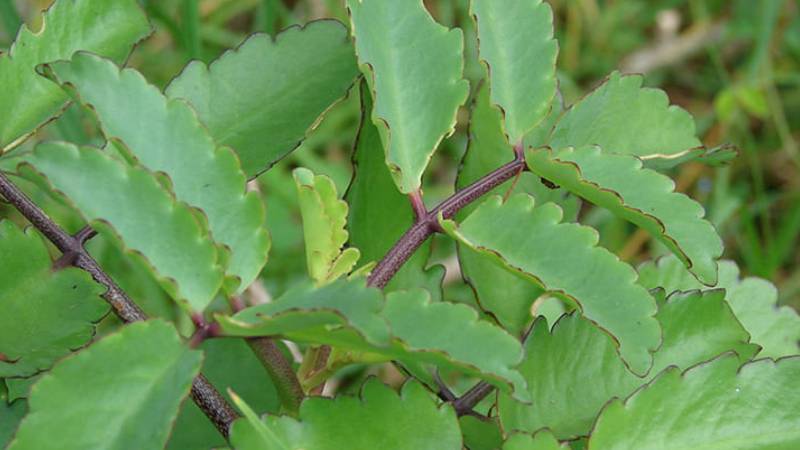
What Is Kalanchoe?
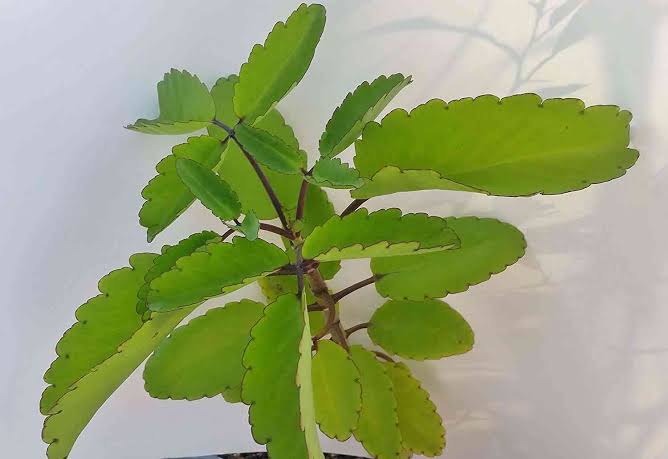
Kalanchoe is a genus of over 100 succulent species belonging to the Crassulaceae family. Native to Madagascar and tropical regions of Africa, these plants are now cultivated around the globe due to their beauty, drought tolerance, and ease of care.
Some of the best-known species include:
-
Kalanchoe pinnata
-
Kalanchoe daigremontiana
-
Kalanchoe blossfeldiana
-
Kalanchoe tomentosa
Among these, Kalanchoe pinnata has the longest history of traditional medicinal use in countries such as India, Brazil, China, and many African nations.
Why Has Kalanchoe Been Used Traditionally?
Traditional healers have long valued Kalanchoe because its leaves contain a wide variety of naturally occurring compounds, including:
-
Flavonoids
-
Phenolic compounds
-
Organic acids
-
Polysaccharides
-
Triterpenoids
-
Vitamins
-
Minerals
These naturally occurring substances have attracted scientific interest because many are known to possess antioxidant or anti-inflammatory properties in laboratory studies.
Traditional Health Uses of Kalanchoe
1. Supporting Skin Health
Perhaps the most well-known traditional use of Kalanchoe involves caring for the skin.
Fresh crushed leaves have traditionally been applied to:
-
Minor cuts
-
Scratches
-
Insect bites
-
Mild burns
-
Skin irritation
People have believed the plant helps soothe discomfort while keeping the affected area moist.
Although laboratory studies suggest certain plant compounds may support normal wound-healing processes, more clinical research in humans is still needed.
2. Natural Source of Antioxidants
Our bodies constantly produce unstable molecules called free radicals. Excessive amounts may contribute to oxidative stress, a process associated with aging and various chronic diseases.
Kalanchoe contains several antioxidant compounds, including flavonoids and phenolic acids, that may help neutralize free radicals.
A diet rich in antioxidant-containing plants is generally associated with better long-term health.
3. Traditional Support for Respiratory Comfort
In several traditional medical systems, Kalanchoe leaf preparations have been used to promote respiratory comfort during seasonal illnesses.
People have traditionally consumed carefully prepared herbal infusions to support:
-
Sore throat relief
-
Occasional cough
-
Temporary throat irritation
Scientific evidence supporting these uses remains limited, so Kalanchoe should not replace appropriate medical care for respiratory conditions.
4. Helping Calm Minor Inflammation
Inflammation is a natural immune response that protects the body after injury or infection.
Traditional herbal practitioners have used Kalanchoe to help soothe minor inflammatory discomfort affecting the skin and soft tissues.
Laboratory studies suggest certain compounds found in Kalanchoe may influence inflammatory pathways, although further human studies are necessary before drawing firm conclusions.
5. Supporting Digestive Wellness
Some traditional cultures have used small amounts of Kalanchoe preparations to help maintain digestive comfort.
Traditional uses have included supporting:
-
Occasional stomach discomfort
-
Digestive balance
-
General gastrointestinal wellness
However, these applications have not been well established through large human clinical trials.
What Does Modern Research Say?
Scientists have become increasingly interested in Kalanchoe because laboratory studies have identified several biologically active compounds.
Research is currently exploring whether extracts from certain Kalanchoe species may possess:
-
Antioxidant activity
-
Anti-inflammatory properties
-
Antimicrobial effects
-
Immunomodulatory potential
Much of this research has been conducted in cell cultures or animal models. More high-quality clinical studies involving humans are needed before these findings can be translated into medical recommendations.
Can Kalanchoe Boost Immunity?
Traditional medicine has long associated Kalanchoe with supporting the body's natural defenses.
Its nutritional profile and antioxidant content may contribute to overall wellness when incorporated into a healthy lifestyle. However, there is currently insufficient evidence to conclude that Kalanchoe directly strengthens the immune system in humans.
Maintaining immunity depends on many factors, including:
-
Balanced nutrition
-
Regular physical activity
-
Quality sleep
-
Stress management
-
Vaccination when appropriate
-
Medical care when needed
Growing Kalanchoe at Home
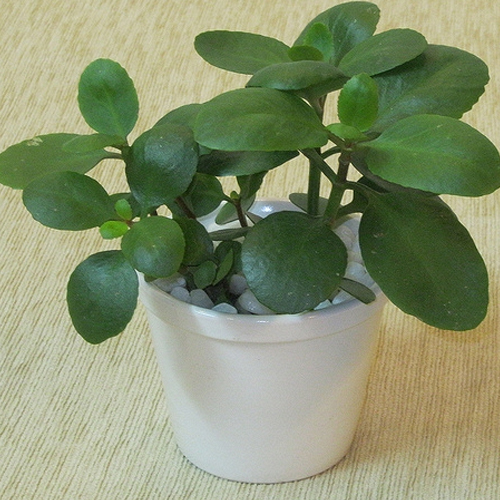
One reason Kalanchoe remains so popular is how easy it is to grow.
Light
Bright indirect sunlight is ideal.
Water
Allow the soil to dry between waterings. Like most succulents, Kalanchoe dislikes excessive moisture.
Soil
Use well-draining cactus or succulent potting mix.
Temperature
Most species thrive between 60–80°F (16–27°C).
Fertilizer
Feed lightly during the growing season.
With proper care, a healthy Kalanchoe can live for many years.
Is Kalanchoe Safe?
Although Kalanchoe has a long history of traditional use, it is not suitable for everyone.
Some species contain naturally occurring compounds known as bufadienolides, which can be toxic if consumed in large quantities.
People should avoid self-medicating with Kalanchoe without professional guidance.
Extra caution is recommended for:
-
Pregnant or breastfeeding women
-
Young children
-
Individuals with chronic medical conditions
-
People taking prescription medications
In addition, Kalanchoe is considered toxic to cats, dogs, and livestock, so it should be kept out of reach of pets.
Responsible Use
If you're interested in herbal remedies, remember that "natural" does not automatically mean "safe" or "effective."
Before using Kalanchoe for medicinal purposes:
-
Correctly identify the plant species.
-
Avoid consuming raw leaves unless advised by a qualified healthcare professional.
-
Do not replace prescribed medical treatments with herbal remedies.
-
Consult your healthcare provider, especially if you have existing health conditions or take medications.
Final Thoughts
Kalanchoe is far more than an attractive houseplant. Across many cultures, it has been valued for centuries as a traditional herbal remedy used to support skin care, respiratory comfort, digestive wellness, and overall health. Modern research continues to investigate the plant's rich collection of bioactive compounds, revealing promising antioxidant and anti-inflammatory properties. However, much of the current evidence comes from laboratory and animal studies, and more well-designed human research is needed to confirm its effectiveness and safety.
Whether you admire Kalanchoe for its vibrant flowers or its fascinating place in traditional medicine, it serves as a reminder that many familiar plants hold remarkable histories and untapped scientific potential. Appreciating its benefits while using it responsibly and seeking professional medical advice before using it therapeutically—is the best way to enjoy this remarkable houseplant.