Finding a lizard inside your home can be surprising. You might see one quickly disappear behind a cabinet, crawl across a wall, or sit quietly near a window. If it happens once, you may simply assume it wandered inside by accident.
But what if you keep finding lizards in your house?
Repeated sightings usually have a practical explanation. Your home may be providing something that lizards need, such as food, warmth, water, shelter, or easy access from outdoors.
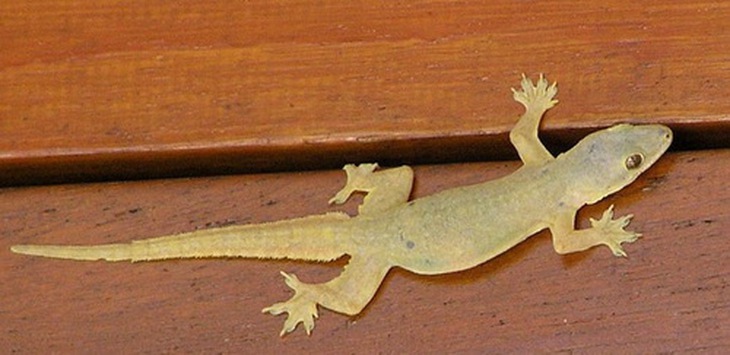
Lizards are generally not interested in bothering people. In many homes, the small lizards commonly seen indoors are harmless and may even help reduce populations of insects such as flies, mosquitoes, moths, and other small bugs.
Still, having them indoors can be unpleasant, especially if you have children, pets, or simply don't want wildlife inside your living space.
Here's what repeated lizard sightings may mean and what you can do about them.
1. Your Home May Have Plenty of Insects
One of the biggest reasons lizards enter homes is simple:
Food.
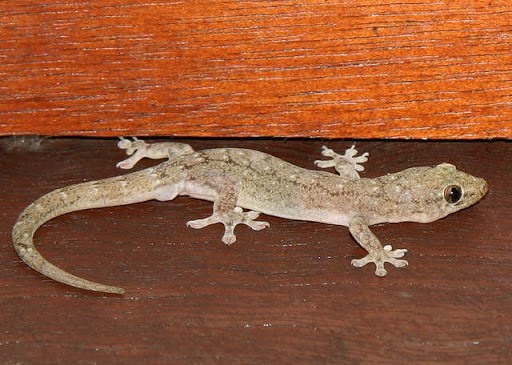
Many small house lizards feed on insects and other tiny invertebrates.
If you frequently see:
-
Flies
-
Mosquitoes
-
Moths
-
Cockroaches
-
Crickets
-
Spiders
-
Small beetles
your home may be attracting lizards because it provides an easy food source.
This is especially common around outdoor lights, windows, kitchens, garages, and other areas where insects gather.
The important clue
If you repeatedly see lizards in one particular room, look for insects in that same area.
You may discover that the lizard isn't the original problem.
The insects may be.
2. Outdoor Lights Can Attract Their Food
Have you noticed more lizards around doors, balconies, windows, or outdoor lights at night?
There's a reason.
Artificial lights can attract many insects.
Those insects then become an easy food source for insect-eating animals, including some lizards.
This can create a simple chain:
Outdoor light → insects → lizards
If lizards regularly gather around an illuminated entrance, reducing unnecessary outdoor lighting or using motion-activated lights may help reduce insect activity around the area.
3. Your House May Be Warm and Comfortable
Lizards are ectothermic animals, meaning they rely heavily on their environment to regulate body temperature.
Warm surfaces can therefore be attractive.
During cooler periods, a building may provide relatively warm areas around:
-
Walls
-
Roofs
-
Windows
-
Appliances
-
Outdoor pipes
-
Stone or concrete surfaces
During hot weather, however, lizards may also seek cooler shaded areas.
Your house can therefore provide different useful microenvironments depending on the weather.
4. Small Gaps May Be Giving Them Easy Access
Lizards don't need a large doorway to enter.
They can sometimes use surprisingly small openings around:
-
Windows
-
Doors
-
Pipes
-
Vents
-
Utility lines
-
Roof edges
-
Cracks in walls
-
Garage doors
If you're repeatedly finding lizards indoors, inspect the exterior of your home for potential entry points.
Pay special attention to areas where different materials meet.
5. Windows and Doors May Be the Main Entry Route
Open windows and doors are obvious access points.
If your home doesn't have properly fitted screens, small animals can enter relatively easily.
Check:
-
Window screens
-
Screen doors
-
Door sweeps
-
Weather stripping
-
Gaps around frames
Repair damaged screens and replace worn weather stripping.
This is often more effective than trying to chase individual lizards out of the house.
6. Your Garden May Be Providing a Perfect Habitat
Sometimes the source isn't the house itself.
Your yard may provide:
-
Insects
-
Dense vegetation
-
Rocks
-
Logs
-
Moisture
-
Shade
-
Warm surfaces
All of these can make an area attractive to lizards.
If vegetation grows directly against exterior walls, it can create sheltered pathways and hiding places.
You don't necessarily need to remove all plants.
Instead, maintain a reasonable gap between dense vegetation and the house where practical.
7. Water Can Attract Wildlife
Lizards may obtain moisture from their environment, food, or water sources.
Outdoor water can also attract insects, which indirectly creates a food source.
Look for:
-
Leaking faucets
-
Plant saucers
-
Buckets
-
Pet water bowls
-
Poorly draining areas
-
Water collecting in containers
Reducing unnecessary standing water can help reduce insect activity around your home.
8. Clutter Creates Hiding Places
Lizards prefer places where they can quickly hide from predators and unfavorable conditions.
Outdoor clutter can provide plenty of shelter.
Examples include:
-
Stacked wood
-
Cardboard
-
Loose boards
-
Rock piles
-
Garden equipment
-
Unused containers
-
Dense piles of leaves
Keeping these areas organized and away from doors and walls can make your property less attractive to small wildlife.
9. Cracks Around the Foundation Matter
Take a walk around the exterior of your home.
Look closely at the foundation and lower walls.
Potential entry points can include:
-
Cracks
-
Gaps around pipes
-
Spaces beneath doors
-
Damaged vents
-
Openings around utility cables
Seal appropriate gaps using materials suitable for the structure.
If you're unsure whether a crack is structural, have it inspected before simply filling it.
10. Lizards Are Often Following Their Food
This is one of the most useful things to remember.
If you see a lizard, it's tempting to focus on the animal.
But the better question may be:
"Why is this location attractive to the lizard?"
If there are insects nearby, the answer may be obvious.
Reducing insect activity can sometimes reduce lizard activity naturally.
Are House Lizards Dangerous?
Most small lizards commonly found around homes are not dangerous to people.
They generally prefer to escape rather than confront humans.
However, you shouldn't handle wild animals unnecessarily.
Like other animals, lizards can carry microorganisms that may cause illness.
Keep them away from:
-
Food preparation areas
-
Kitchen counters
-
Children's play areas
-
Pet food
If you have touched a lizard or surfaces contaminated by one, wash your hands thoroughly.
Can Lizards Bite?
Some lizards can bite if they are captured or handled.
Most small house lizards are not aggressive toward people.
If you see one, don't try to grab it.
Instead, give it space and allow it to move away.
If you need to remove it, use a humane approach or contact a local wildlife professional.
What About Lizards and Pets?
Many household lizards are not a major threat to dogs or cats, but pets may chase, bite, or eat them.
That creates risks for both animals.
A pet that catches wildlife may be exposed to:
-
Parasites
-
Bacteria
-
Gastrointestinal irritation
-
Injuries
If your pet repeatedly hunts lizards, try to prevent access rather than allowing the behavior.
If your pet becomes sick after eating wildlife, contact a veterinarian.
Do Lizards Damage the House?
Small lizards generally don't cause the kind of structural damage associated with rodents or termites.
They don't typically chew through walls, electrical wiring, or wood.
However, repeated wildlife entry can leave droppings on:
-
Walls
-
Windowsills
-
Floors
-
Furniture
-
Outdoor surfaces
The bigger issue is often the entry point or insect infestation that is allowing them inside.
What Do Lizard Droppings Look Like?
Lizard droppings are often small and dark, sometimes with a white or pale tip.
That white portion is uric acid, which is a normal waste product in many reptiles.
If you repeatedly find small dark droppings with white tips around windows, walls, or cabinets, you may have a clue that lizards are regularly visiting the area.
Clean contaminated surfaces using an appropriate household disinfectant and wash your hands afterward.
Should You Kill Lizards You Find Indoors?
Usually, there is no need.
If the species is harmless, killing individual animals doesn't address why they keep entering.
A better long-term strategy is:
Reduce insects
Seal entry points
Repair screens
Reduce outdoor hiding places near the house
Manage unnecessary outdoor lighting
This targets the underlying cause.
How to Get a Lizard Out of Your House
If you find a lizard indoors, avoid chasing it aggressively.
That can cause it to run deeper into the house.
Instead:
1. Close doors to other rooms
Limit where it can go.
2. Open an exterior door or window
If appropriate and safe, create a clear route outside.
3. Reduce activity around the animal
Give it time to move.
4. Use gentle guidance
A large piece of cardboard can sometimes help guide it toward an open exit without touching the animal.
5. Keep pets away
Dogs and cats may turn the situation into a much bigger problem.
If the animal is difficult to remove, contact a local wildlife service.
What Not to Do
Avoid using random chemicals, poisons, or homemade mixtures inside your home.
These can create risks for:
-
Children
-
Pets
-
Wildlife
-
Indoor air quality
You also don't want to replace a lizard problem with a chemical exposure problem.
Do Strong Scents Keep Lizards Away?
You may see online recommendations involving:
-
Peppermint
-
Garlic
-
Vinegar
-
Citrus
-
Essential oils
-
Other strong-smelling substances
Evidence for many DIY scent-based lizard repellents is limited.
A strong smell may temporarily discourage some animals from a particular location, but it isn't a guaranteed barrier.
If you're considering an essential oil or chemical product, check whether it is safe for children, pets, surfaces, and indoor air.
What About Mothballs?
Avoid using mothballs as a DIY wildlife repellent.
Mothballs contain pesticides intended for specific uses and can be hazardous when used improperly.
They should not be scattered around rooms, gardens, or entry points simply to repel lizards.
This is particularly important if you have:
-
Children
-
Dogs
-
Cats
-
Other pets
How to Keep Lizards Out of Your Home
The most effective strategy is usually exclusion.
1. Install or Repair Window Screens
Make sure screens fit tightly and don't have holes.
2. Add Door Sweeps
A small gap underneath a door can provide easy access.
3. Seal Gaps Around Pipes
Inspect utility entry points.
4. Repair Damaged Vents
Use appropriate screening where needed.
5. Reduce Insects
Fix food-storage and sanitation problems that attract insects.
6. Manage Outdoor Lighting
Reduce unnecessary lights near entrances or use motion sensors.
7. Keep Vegetation Controlled
Avoid dense plant growth directly against exterior walls.
Why Seeing More Lizards Doesn't Necessarily Mean Your House Is Dirty
This is an important misconception.
Lizards don't necessarily enter because a house is dirty.
You can have an extremely clean home and still see lizards if:
-
Your property has lots of insects
-
The climate supports lizards
-
There are easy entry points
-
Your home provides warmth or shelter
-
Your garden provides suitable habitat
The presence of a lizard is not automatically a sign of poor hygiene.
Could a Lizard Actually Be Helpful?
In some circumstances, yes.
Many small insect-eating lizards consume insects that people don't particularly want around their homes.
They may eat:
-
Flies
-
Moths
-
Crickets
-
Small cockroaches
-
Other insects
This doesn't mean you should intentionally allow wildlife to live inside your home.
But outdoors, lizards can be part of a healthy local ecosystem.
If you see one in your garden, it may simply be doing what it naturally does: looking for food.
What If You Keep Finding Lizards in the Kitchen?
Repeated kitchen sightings deserve a closer look.
Check for:
-
Food crumbs
-
Open food containers
-
Insects
-
Moisture
-
Gaps around plumbing
-
Open windows
-
Spaces under doors
Keep food stored in sealed containers and clean spills promptly.
If you notice cockroaches or other insects, address that problem as well.
A lizard repeatedly appearing in the kitchen may be a symptom of an insect problem rather than the primary problem itself.
What If Lizards Are Appearing in the Bedroom?
Bedrooms can provide warmth, shelter, and insect access.
Check:
-
Window screens
-
Curtains and window frames
-
Gaps around air-conditioning units
-
Door gaps
-
Exterior vegetation near windows
If you regularly see insects around the bedroom light at night, that may explain why lizards are nearby.
What If You Find Lizards in the Bathroom?
Bathrooms provide moisture, making them potentially attractive to small animals.
Inspect:
-
Window screens
-
Ventilation openings
-
Pipe penetrations
-
Door gaps
-
Cracks around plumbing
Also address leaks or excessive moisture.
A persistent moisture problem can attract insects as well, creating another food source for lizards.
When Should You Be More Concerned?
A single small lizard isn't usually a reason for alarm.
However, repeated wildlife intrusion may indicate a larger home-maintenance issue.
Consider investigating if you notice:
-
Lizards appearing almost every day
-
Multiple animals inside simultaneously
-
Large amounts of droppings
-
Numerous insects
-
Damaged screens
-
Significant cracks or openings
-
Wildlife entering through the roof or attic
If you're unsure what species you're dealing with, avoid handling it and contact a local wildlife professional.
A Simple Home Inspection Checklist
Walk around your home and check:
☐ Window screens
☐ Door sweeps
☐ Gaps under exterior doors
☐ Cracks around pipes
☐ Vent openings
☐ Foundation gaps
☐ Outdoor lights
☐ Dense vegetation
☐ Wood piles
☐ Standing water
☐ Insect activity
☐ Open garbage
☐ Pet food left outdoors
Fixing these issues can make your home less attractive to both lizards and the insects they feed on.
What If You Find a Lizard Every Day?
Don't automatically assume you have dozens of lizards living inside the walls.
It may be the same individual repeatedly entering through the same opening.
Try to identify where you're seeing it.
If it always appears:
-
Near the same window
-
Beside the same door
-
Around the same light
-
Near the kitchen
-
Near a bathroom
there may be a specific access point or food source nearby.
Finding and correcting that point can be much more effective than dealing with each lizard individually.
The Bottom Line
If you keep finding lizards in your house, it usually doesn't mean anything mysterious is happening.
In most cases, there's a practical explanation.
Your home may be providing:
Food
Water
Warmth
Shelter
or simply easy access from outside.
Small house lizards are often harmless and may even eat insects around your property. But if you don't want them indoors, the best strategy is usually to address the conditions attracting them rather than relying on chemicals or trying to eliminate individual animals.
Start by reducing insect activity, repairing screens, sealing gaps, managing vegetation, controlling outdoor lighting, and removing unnecessary sources of moisture or shelter near the house.
Final Thoughts
Finding a lizard in your home can definitely make you pause—but there's usually no reason to panic.
Rather than asking only, "How do I get rid of this lizard?", ask:
"Why does this lizard want to be here?"
If there's a steady supply of insects near your windows, a gap beneath the door, dense vegetation against the wall, or a warm sheltered space, you've probably found part of the answer.
And if you spot a lizard outdoors, remember that it may actually be helping by consuming insects.
A recurring lizard problem is often less about the lizard itself and more about what your home and yard are providing. Fix the access, food, and shelter—and you may see far fewer of them indoors.