7. Your Legs May Be Holding Onto Extra Fluid During the Day
Here's an explanation many people don't think about.
Some people accumulate fluid in their lower legs during the day.
This can happen when fluid moves into tissues around the ankles and legs.
When you lie down at night, gravity is no longer pulling that fluid toward your feet.
The fluid can return to the bloodstream.
Your kidneys then process some of it, resulting in increased urine production during the night.
This can happen with relatively mild dependent swelling, but significant or persistent leg swelling can also be associated with medical conditions.
You may notice:
-
Sock marks around your ankles
-
Puffy feet
-
Swollen ankles
-
Legs that feel heavy by evening
If swelling is new, severe, one-sided, painful, or associated with shortness of breath, it deserves medical attention.
8. Sleep Apnea Can Be Connected to Nocturia
This connection is often overlooked.
Obstructive sleep apnea occurs when the upper airway repeatedly becomes blocked during sleep.
The person may stop breathing or breathe inadequately for short periods, causing repeated sleep disruptions.
Sleep apnea can be associated with increased nighttime urination.
People with sleep apnea may also experience:
-
Loud snoring
-
Gasping or choking during sleep
-
Morning headaches
-
Excessive daytime sleepiness
-
Difficulty concentrating
-
Dry mouth in the morning
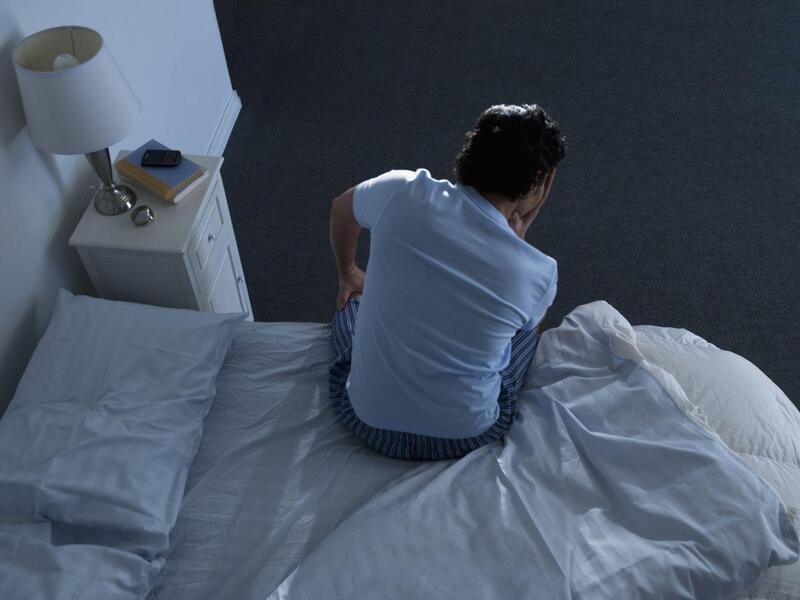
Someone may think they're waking because they need to urinate when, in reality, the underlying sleep disorder is contributing to repeated awakenings—and the person notices the need to use the bathroom once awake.
If loud snoring and repeated nighttime urination occur together, sleep quality deserves consideration.
9. Medications May Be Playing a Role
Some medications can increase urine production or change urinary patterns.
One important example is diuretics, sometimes called water pills.
These medications are commonly used for conditions such as high blood pressure and fluid retention.
If a diuretic is taken later in the day, it may increase the amount of urine produced during the evening or night.
Other medications can indirectly affect sleep or bladder function.
That doesn't mean you should stop taking a medication on your own.
Instead, if you suspect your medication is contributing to nocturia, ask your healthcare professional whether the timing or treatment plan should be adjusted.
10. Pregnancy Can Increase Nighttime Urination
During pregnancy, frequent urination is extremely common.
Several factors contribute to it.
Hormonal changes increase blood flow through the kidneys, while the growing uterus can put additional pressure on the bladder.
As pregnancy progresses, nighttime bathroom trips may become particularly noticeable.
Although frequent urination can be normal during pregnancy, symptoms such as burning, fever, pelvic pain, or blood in the urine may indicate a urinary tract infection and should be discussed with a healthcare professional.
11. Urinary Tract Infections Can Cause Nighttime Symptoms
A urinary tract infection can cause frequent or urgent urination.
You may also notice:
-
Burning when urinating
-
Pelvic discomfort
-
Strong-smelling urine
-
Cloudy urine
-
Blood in the urine
-
A strong urge to urinate even when little urine comes out
If the infection involves the kidneys, symptoms can become more serious and may include fever, chills, back or side pain, nausea, or vomiting.
A UTI is treatable, but it should be properly diagnosed rather than repeatedly managed with home remedies.