Lemons are one of the most versatile fruits you can keep in your kitchen. Their bright, refreshing flavor enhances everything from seafood and salads to desserts, soups, and beverages. Rich in vitamin C and natural antioxidants, lemons are also a popular ingredient in homemade dressings, marinades, teas, and baked goods.
However, lemons can quickly lose their freshness if they are not stored properly. Left on the kitchen counter for too long, they may become dry, shriveled, or develop mold. Fortunately, with a few simple storage techniques, you can significantly extend the freshness of your lemons and reduce unnecessary food waste.
Whether you've purchased a single lemon or a large bag from the grocery store, these practical methods can help keep your lemons juicy and flavorful for as long as possible.
Why Do Lemons Spoil?
Like all fresh produce, lemons continue to lose moisture after they are harvested.
Several factors influence how quickly they deteriorate, including:
-
Temperature
-
Humidity
-
Air circulation
-
Physical damage
-
Exposure to sunlight
-
Storage conditions
Warm temperatures speed up moisture loss, while bruises or cuts allow bacteria and mold to enter more easily.
Understanding these factors makes it easier to preserve lemons effectively.
Method 1: Store Lemons in the Refrigerator
One of the simplest and most effective ways to extend the life of whole lemons is to refrigerate them.
Keeping lemons in the refrigerator slows moisture loss and helps delay spoilage.
How to do it
-
Place whole, dry lemons in the refrigerator's crisper drawer.
-
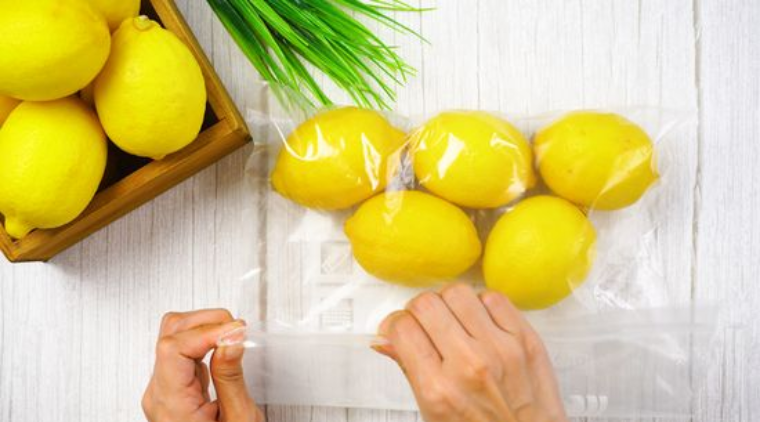
Alternatively, store them in a breathable produce bag or a partially open plastic bag to help retain moisture while allowing some air circulation.
-
Avoid washing lemons before storage unless they are visibly dirty. Excess moisture on the peel can encourage mold growth. Instead, wash them just before use.
When refrigerated properly, whole lemons often stay fresh much longer than those kept at room temperature, though exact storage time depends on freshness at purchase and storage conditions.
Method 2: Keep Them at Room Temperature for Short-Term Use
If you plan to use your lemons within a few days, storing them on the kitchen counter is perfectly reasonable.
Choose a location that is:
-
Cool
-
Dry
-
Well ventilated
-
Away from direct sunlight
-
Away from heat sources such as ovens or stoves
Avoid placing lemons in decorative bowls exposed to afternoon sun, as warmth accelerates dehydration.
Method 3: Store Cut Lemons Properly
Once a lemon has been sliced, it becomes much more vulnerable to drying out and bacterial contamination.
To keep cut lemons fresh:
-
Wrap the cut side tightly with reusable food wrap or place it cut-side down in an airtight container.
-
Refrigerate immediately.
-
Use within a few days for the best quality.
Keeping the cut surface covered helps reduce moisture loss and preserves flavor.
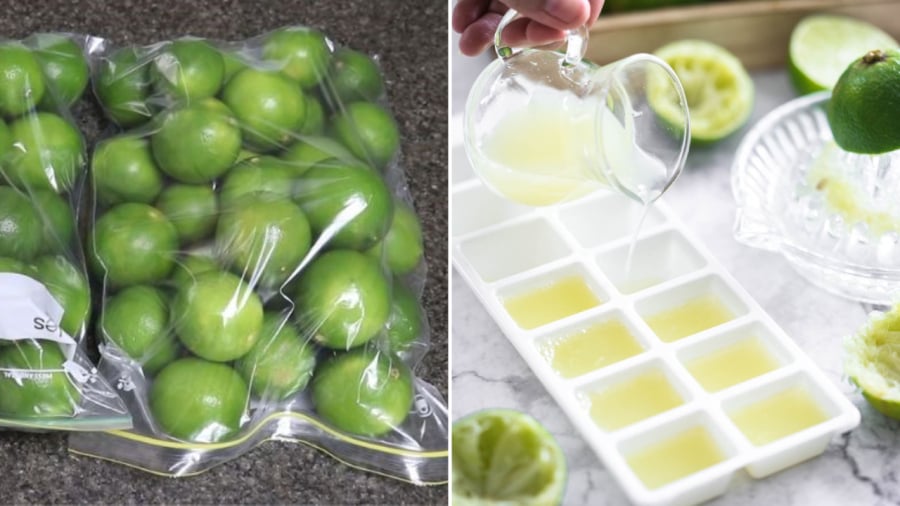
Method 4: Freeze Lemon Juice
If you have more lemons than you can use before they begin to spoil, freezing the juice is an excellent option.
Steps
-
Wash and dry the lemons.
-
Cut them in half.
-
Squeeze out the juice.
-
Remove any seeds.
-
Pour the juice into ice cube trays.
-
Freeze until solid.
-
Transfer the frozen cubes to a labeled freezer-safe container or bag.
Frozen lemon juice can be conveniently added to:
-
Tea
-
Soups
-
Sauces
-
Marinades
-
Smoothies
-
Salad dressings
Method 5: Freeze Lemon Zest
Many recipes call only for the zest, which contains aromatic oils that provide intense citrus flavor.
To preserve zest:
-
Wash and dry the lemons thoroughly.
-
Grate only the yellow outer peel, avoiding the bitter white pith.
-
Spread the zest on a tray to freeze briefly.
-
Transfer it to an airtight freezer container.
Frozen zest works well in:
-
Cakes
-
Muffins
-
Cookies
-
Pasta
-
Seafood dishes
-
Salad dressings
Method 6: Preserve Lemons in Salt
Salt-preserved lemons have been used for centuries, particularly in North African and Middle Eastern cuisine.
The process softens the peel while creating a unique, intensely flavorful ingredient.
Basic method
-
Wash the lemons thoroughly.
-
Cut each lemon lengthwise, leaving the base attached.
-
Pack the cuts generously with coarse salt.
-
Place the lemons tightly into a clean sterilized jar.
-
Add more salt between layers.
-
Press them down so they release juice.
-
Seal the jar and refrigerate or store according to safe preservation practices.
After several weeks, the peels become tender and can be used in stews, salads, sauces, and grain dishes.
Method 7: Dehydrate Lemon Slices
Drying lemons extends their shelf life while creating an attractive ingredient for cooking and beverages.
Dehydrated lemon slices can be used in:
-
Herbal teas
-
Cocktails
-
Desserts
-
Garnishes
-
Potpourri
A food dehydrator or a low-temperature oven can be used following the manufacturer's instructions.
Store dried slices in an airtight container in a cool, dry place.
Method 8: Make Lemon Ice Cubes
Instead of freezing only juice, combine lemon juice with:
-
Fresh mint
-
Basil
-
Rosemary
-
Thin lemon zest
Freeze the mixture in ice cube trays.
These cubes add flavor to:
-
Sparkling water
-
Iced tea
-
Lemonade
-
Cocktails
-
Cold water
Method 9: Check Lemons Regularly
Even properly stored lemons should be inspected every few days.
Look for:
-
Soft spots
-
Mold
-
Wrinkled skin
-
Leaking juice
-
Unpleasant odors
Remove damaged lemons promptly to reduce the chance of spoilage spreading to nearby fruit.
Should You Wash Lemons Before Storing?
In most cases, it is best not to wash lemons before long-term storage.
Extra moisture can encourage mold growth.
Instead:
-
Store them dry.
-
Wash thoroughly under running water immediately before using.
-
Dry with a clean towel if needed.
Can You Eat Slightly Wrinkled Lemons?
Yes, sometimes.
A lemon with wrinkled skin may simply have lost some moisture while remaining perfectly usable.
These lemons are often still suitable for:
-
Juicing
-
Cooking
-
Baking
-
Making dressings
However, discard lemons if they show:
-
Mold
-
A foul odor
-
Extensive soft or mushy areas
-
Leakage
-
Signs of decay
Tips for Buying Lemons That Last Longer
Freshness begins at the grocery store.
Choose lemons that are:
-
Bright yellow
-
Firm
-
Heavy for their size
-
Smooth-skinned
-
Free from mold
-
Free from cuts or bruises
Heavier lemons generally contain more juice.
Creative Ways to Use Extra Lemons
If you have an abundance of lemons, consider using them in:
-
Homemade lemonade
-
Salad dressings
-
Marinades
-
Soups
-
Roasted vegetables
-
Fish dishes
-
Yogurt
-
Baking
-
Smoothies
-
Infused water
Using lemons creatively can help reduce food waste while adding fresh flavor to meals.
Common Storage Mistakes to Avoid
Avoid these common errors:
-
Leaving lemons in direct sunlight.
-
Storing cut lemons uncovered.
-
Keeping damaged lemons with healthy ones.
-
Washing lemons before long-term storage.
-
Forgetting lemons in the refrigerator until they spoil.
-
Storing lemons near sources of heat.
Small changes in storage habits can make a noticeable difference.
Frequently Asked Questions
Should lemons be refrigerated?
If you plan to keep them for more than a few days, refrigeration generally helps preserve freshness longer than storing them at room temperature.
Can lemons be frozen whole?
Yes. Whole lemons can be frozen, although the texture of the peel may soften after thawing. They remain useful for juicing, cooking, and baking.
Can frozen lemons still be grated?
Yes. In fact, many people find frozen lemons easier to grate, especially when using the zest in recipes.
Final Thoughts
Proper storage can make a significant difference in how long your lemons stay fresh, juicy, and flavorful. Whether you refrigerate whole lemons, carefully wrap cut ones, freeze the juice and zest, preserve them in salt, or dehydrate slices for future use, each method helps reduce waste and ensures you always have lemons ready for cooking and baking.
The key is to protect lemons from excess heat, moisture, and air while checking them regularly for signs of spoilage. By choosing fresh lemons, storing them correctly, and making use of extras before they deteriorate, you can enjoy their bright citrus flavor for much longer.
With just a few simple storage habits, you'll not only save money and reduce food waste but also have this versatile fruit on hand whenever you need it—whether you're adding a splash of freshness to a meal, preparing a refreshing drink, or creating your favorite homemade recipes.