Kidney cancer can be difficult to recognize in its early stages because it may cause few or no noticeable symptoms. In many cases, a kidney tumor is discovered unexpectedly during an imaging test performed for another health problem.
When symptoms do appear, they can also resemble much more common conditions, such as urinary tract infections, kidney stones, back problems, or general fatigue. That can make them easy to dismiss.
Understanding the potential warning signs does not mean assuming every unusual symptom is cancer. Most of these symptoms have many other possible causes. The important point is to recognize persistent, unexplained, or unusual changes and have them evaluated appropriately.
Blood in the Urine
One of the best-known signs associated with kidney cancer is blood in the urine, medically called hematuria.
The urine may appear pink, red, or brown. However, blood may also be present in such a small amount that it can only be detected through laboratory testing.
Visible blood in the urine should never simply be ignored.
There are many possible causes, including urinary tract infections, kidney stones, prostate problems, medications, and other urinary conditions. Cancer is only one possibility.
Nevertheless, unexplained blood in the urine warrants medical evaluation, particularly if it occurs repeatedly or without pain.
Persistent Pain in the Side or Lower Back
Kidney cancer can sometimes cause persistent discomfort in the side, flank, or lower back.
The kidneys are located toward the back of the upper abdomen, beneath the lower ribs. As a tumor grows, it may cause pressure or discomfort in the surrounding tissues.
However, back pain is extremely common and is much more often caused by muscles, joints, discs, posture, or other non-cancerous conditions.
The pattern matters.
Pain that is persistent, unexplained, progressively worsening, or accompanied by other symptoms deserves medical attention.
Sudden severe flank pain, especially with nausea or blood in the urine, may also be associated with kidney stones and requires appropriate evaluation.
An Unexplained Lump or Swelling
In some cases, a kidney tumor can become large enough to cause a mass or swelling in the abdomen or side.
A person may notice an unusual lump while changing clothes, bathing, or lying down.
However, many kidney tumors are too small or too deep within the body to be felt.
A new abdominal or flank lump should not be assumed to be cancer. It can have numerous possible explanations.
Still, any unexplained mass should be evaluated by a healthcare professional.
Persistent Unexplained Fatigue
Feeling tired after a stressful week or a poor night's sleep is normal.
Persistent fatigue without an obvious explanation is different.
Some people with kidney cancer may experience ongoing tiredness or reduced energy. This can occur because cancer can affect metabolism, inflammation, nutrition, sleep, and overall body function.
Anemia can also contribute to fatigue.
But fatigue is one of the most nonspecific symptoms in medicine. It can result from iron deficiency, thyroid problems, sleep disorders, infections, depression, medication effects, nutritional deficiencies, and countless other conditions.
That is why fatigue alone does not point specifically to kidney cancer.
The concern increases when persistent fatigue occurs alongside other unexplained changes.
Unexplained Weight Loss
Losing weight without intentionally changing your diet or exercise routine can be a warning sign of an underlying medical problem.
Some people with cancer experience unintentional weight loss, which can result from reduced appetite, changes in metabolism, inflammation, or other effects of the disease.
Again, unexplained weight loss is not specific to kidney cancer.
Digestive disorders, thyroid disease, infections, stress, medication changes, and other illnesses can also cause significant weight loss.
If you are losing weight without trying—particularly if the change is substantial or continues over time—talk with a healthcare professional.
Loss of Appetite
A sudden or persistent reduction in appetite can sometimes accompany kidney cancer.
Food may become less appealing, or a person may feel full sooner than usual.
Reduced appetite can contribute to weight loss and weakness.
However, appetite changes are common during infections, periods of stress, digestive problems, medication changes, and many other conditions.
The key is to look at the overall pattern rather than one symptom in isolation.
Recurrent Fever Without an Obvious Infection
Some people with kidney cancer may experience unexplained fever.
This can happen because certain cancers can influence the immune system and inflammatory pathways.
But fever is far more commonly caused by infections.
If a fever persists or repeatedly returns without an identifiable cause, medical evaluation is appropriate.
A fever accompanied by urinary symptoms, significant pain, weight loss, or other unusual symptoms deserves particular attention.
Night Sweats
Some people with serious illnesses report night sweats, sometimes severe enough to soak clothing or bedding.
Night sweats can occur for many reasons, including infections, hormonal changes, medications, alcohol use, and other medical conditions.
Occasionally, they can occur in people with cancer.
Night sweats by themselves do not indicate kidney cancer.
However, persistent unexplained night sweats accompanied by weight loss, fever, fatigue, or other concerning symptoms should be discussed with a healthcare professional.
High Blood Pressure That Is Difficult to Control
The kidneys play an important role in regulating blood pressure.
Kidney disease can therefore contribute to hypertension.
In some cases, kidney tumors can affect hormonal pathways involved in blood pressure regulation.
This means that new or unusually difficult-to-control hypertension may sometimes prompt doctors to investigate kidney function and other potential causes.
However, high blood pressure is extremely common and is usually related to factors such as genetics, age, weight, diet, physical activity, kidney disease, medications, and other conditions.
High blood pressure alone is not a reliable sign of kidney cancer.
Anemia
Anemia occurs when the body does not have enough healthy red blood cells or hemoglobin to deliver adequate oxygen to tissues.
It can cause:
-
Fatigue
-
Weakness
-
Shortness of breath during activity
-
Dizziness
-
Headaches
-
Pale skin
Kidney cancer can sometimes be associated with anemia.
But iron deficiency, chronic inflammation, nutritional deficiencies, blood loss, kidney disease, and other conditions are much more common explanations.
If blood tests reveal unexplained anemia, your healthcare provider may recommend additional testing to determine the cause.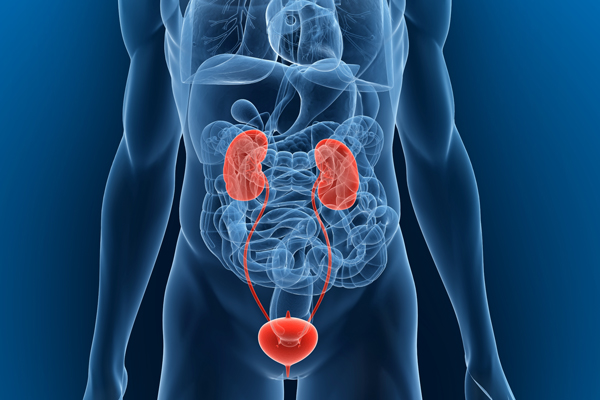
Swelling in the Legs or Ankles
Swelling, known medically as edema, can have many causes.
Heart disease, kidney disease, liver disease, venous problems, medications, and prolonged sitting can all contribute.
In advanced kidney disease or certain kidney-related conditions, changes in fluid balance can result in swelling.
Kidney cancer itself is not a common cause of isolated leg swelling.
However, persistent or unexplained swelling should be evaluated, particularly if it occurs together with changes in urination, shortness of breath, or other systemic symptoms.
Changes in Urination
Kidney cancer can sometimes affect the urinary system, although many urinary symptoms have more common explanations.
Changes that deserve attention include:
-
Blood in the urine
-
Persistent changes in urine appearance
-
Unexplained changes in urinary frequency
-
Pain or discomfort while urinating
-
A noticeable change that does not resolve
Urinary symptoms are often caused by infections, prostate enlargement, kidney stones, medications, or other conditions.
Still, persistent changes should not simply be ignored.
Why Kidney Cancer Can Be Difficult to Detect Early
One reason kidney cancer is sometimes discovered unexpectedly is the location of the kidneys.
They are positioned deep inside the body, behind many other structures.
A small tumor may therefore grow without causing noticeable pain or a palpable lump.
Modern imaging has changed this considerably.
Ultrasound, CT scans, and MRI can identify kidney masses that might otherwise have remained unnoticed.
In some cases, a person may undergo abdominal imaging for an unrelated problem and discover a kidney tumor incidentally.
Who May Have a Higher Risk?
Certain factors can increase the likelihood of developing kidney cancer.
These include:
Smoking: Tobacco exposure is associated with an increased risk.
Excess body weight: Obesity is associated with several cancer types, including kidney cancer.
High blood pressure: Hypertension has been associated with increased kidney cancer risk.
Family history: Having certain close relatives with kidney cancer may increase risk.
Certain inherited conditions: Some hereditary syndromes can significantly increase kidney cancer risk.
Occupational exposures: Certain workplace chemical exposures have been investigated as potential risk factors.
Age also matters, with kidney cancer occurring more often in older adults, although it can occur in younger people as well.
Having one or more risk factors does not mean someone will develop kidney cancer.
Kidney Cancer Does Not Always Cause Symptoms
This is perhaps the most important point.
A person can have kidney cancer and feel completely healthy.
There is currently no universally recommended routine screening program for kidney cancer in average-risk adults without symptoms.
Instead, doctors generally investigate concerning symptoms or findings and may recommend imaging for people with particular risk factors or medical circumstances.
This is one reason routine medical care remains important.
What Tests Can Doctors Use?
If a healthcare professional is concerned about a possible kidney problem, they may begin with a medical history and physical examination.
Depending on the situation, testing may include:
Urinalysis: Can detect blood or other abnormalities in the urine.
Blood tests: Can evaluate kidney function, blood counts, and other indicators.
Ultrasound: Can provide an initial look at the kidneys without radiation.
CT scan: Provides detailed images and is commonly used to evaluate kidney masses.
MRI: Can provide detailed imaging without ionizing radiation and may be useful in certain circumstances.
If a suspicious mass is discovered, additional evaluation may be necessary to determine whether it is cancerous and what type it may be.
Don't Panic Over One Symptom
Reading about cancer symptoms online can be anxiety-provoking.
It is important to remember that most individual symptoms listed above are much more likely to have a non-cancerous explanation.
Back pain is common.
Fatigue is common.
Changes in appetite are common.
Blood in the urine, however, deserves medical attention regardless of the cause.
The goal is not to diagnose yourself from a symptom list. The goal is to recognize when something is unusual enough to warrant professional evaluation.
When Should You See a Doctor?
Make an appointment with a healthcare professional if you experience persistent or unexplained symptoms such as blood in the urine, ongoing flank pain, unexplained weight loss, persistent fatigue, recurrent fever, or a new abdominal mass.
Some symptoms require more urgent attention.
Visible blood in the urine, severe flank pain, inability to urinate, severe weakness, or significant changes in your overall condition should be assessed promptly.
If symptoms are severe or accompanied by other emergency warning signs, seek urgent medical care.
Protecting Your Kidney Health
There is no guaranteed way to prevent kidney cancer, but several healthy habits can support kidney and overall health.
Avoiding tobacco is one of the most important steps.
Maintaining a healthy weight, staying physically active, managing blood pressure, controlling diabetes, eating a balanced diet, and avoiding unnecessary exposure to harmful substances can also reduce the burden on your kidneys and cardiovascular system.
Regular medical checkups can help identify high blood pressure, abnormal kidney function, and other conditions before they become more serious.
The Bottom Line
Kidney cancer can be difficult to recognize because it may cause no symptoms in its early stages.
When symptoms do appear, they can include blood in the urine, persistent flank or lower-back pain, unexplained weight loss, fatigue, loss of appetite, recurrent fever, night sweats, anemia, or an unusual abdominal mass.
None of these symptoms automatically means kidney cancer. Many have far more common explanations.
But persistent or unexplained changes should not simply be brushed aside.
The most important thing is to pay attention to new symptoms that don't go away, become progressively worse, or occur alongside other unusual changes.
Your kidneys can be working quietly in the background for years without drawing attention to themselves. If your body starts sending signals that something has changed, listening to those signals and getting the right medical evaluation—can be far more valuable than trying to diagnose the cause yourself.