Kidney failure is often called a “silent condition” for a reason. In its early stages, it may not cause obvious symptoms, allowing damage to progress unnoticed over time. By the time clear signs appear, kidney function may already be significantly reduced.
Your kidneys play a vital role in filtering waste, balancing fluids, regulating blood pressure, and maintaining overall stability in the body. Protecting them is not just about avoiding disease - it’s about preserving long-term health.
The good news is that many risk factors can be managed with simple, consistent preventive steps.
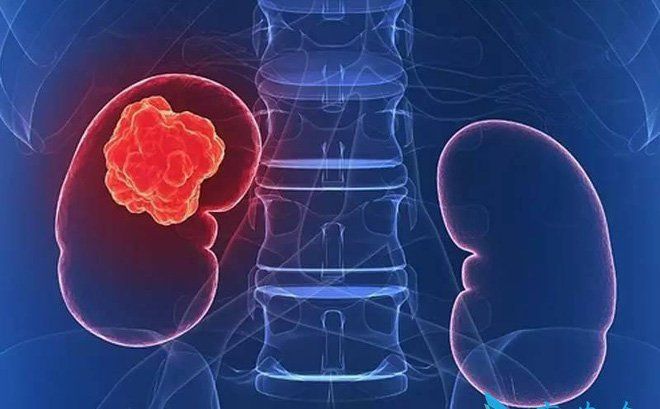
Why Prevention Matters More Than Treatment
Unlike some conditions that show early warning signs, kidney disease can develop slowly without clear signals. This makes prevention especially important.
Common causes of kidney damage include:
- High blood pressure
- Diabetes
- Poor diet
- Dehydration
- Long-term use of certain medications
Addressing these factors early can significantly reduce the risk of kidney failure.
1. Stay Properly Hydrated
Water is essential for kidney function. It helps flush out toxins and supports the filtration process.
Proper hydration can:
- Reduce the risk of kidney stones
- Help remove waste efficiently
- Maintain overall fluid balance
However, balance is key—both dehydration and excessive water intake can be harmful. Drinking enough water throughout the day is usually sufficient.
2. Maintain a Balanced Diet
What you eat directly affects your kidney health.
A kidney-friendly diet includes:
- Fresh fruits and vegetables
- Whole grains
- Lean proteins
- Limited processed foods
Reducing salt intake is especially important, as excess sodium can increase blood pressure and strain the kidneys.
3. Control Blood Pressure
High blood pressure is one of the leading causes of kidney damage.
Keeping it under control helps:
- Protect blood vessels in the kidneys
- Maintain proper filtration
- Reduce long-term risk
Regular monitoring and lifestyle adjustments can make a significant difference.
4. Manage Blood Sugar Levels
For people with diabetes or prediabetes, blood sugar control is critical.
High blood sugar can:
- Damage kidney filters over time
- Reduce kidney efficiency
- Increase the risk of complications
Balanced eating, regular activity, and medical guidance are key to maintaining healthy levels.
5. Avoid Overuse of Medications
Certain medications, especially pain relievers, can affect kidney function when used excessively or over long periods.
To reduce risk:
- Avoid self-medicating frequently
- Follow dosage instructions carefully
- Consult a healthcare professional when needed
Being mindful of medication use protects kidney health in the long run.
6. Stay Physically Active
Regular physical activity supports overall health and reduces risk factors linked to kidney disease.
Exercise helps:
- Improve circulation
- Maintain a healthy weight
- Regulate blood pressure and blood sugar
Even moderate activities like walking can have a positive impact.
7. Avoid Smoking and Limit Alcohol
Smoking and excessive alcohol consumption can negatively affect kidney function.
They may:
- Reduce blood flow to the kidneys
- Increase toxin levels in the body
- Contribute to long-term damage
Reducing or eliminating these habits supports not just kidney health, but overall well-being.
8. Get Regular Health Checkups
Because kidney disease can be silent, routine checkups are essential.
Tests such as:
- Blood tests
- Urine analysis
- Blood pressure monitoring
…can detect early changes before symptoms appear.
Early detection allows for timely intervention and better outcomes.
Recognizing When Something Feels Off
Although early stages may be silent, later signs can include:
- Swelling in the legs or face
- Fatigue
- Changes in urination
- Shortness of breath
These symptoms should not be ignored, especially if they persist.
A Long-Term Approach to Kidney Health
Protecting your kidneys is not about one-time actions - it’s about consistent daily habits.
Small changes like:
- Drinking enough water
- Reducing salt
- Staying active
…can add up to significant long-term benefits.
Final Thoughts
Kidney failure doesn’t happen overnight - it develops quietly over time. That’s why prevention is so powerful. By taking simple, proactive steps, you can protect your kidneys and maintain your health for years to come.
The key is awareness. When you understand how your daily habits affect your body, you gain the ability to make better choices and sometimes, those choices can make all the difference.