Your kidneys work quietly every day, performing some of the most important jobs in your body. They filter waste from your blood, help control fluid levels, balance important minerals, support healthy blood pressure, and play a role in producing hormones involved in red blood cell production and bone health.
The problem is that kidney problems can develop gradually and may not cause obvious symptoms at first. In fact, a person can have reduced kidney function while still feeling completely normal.
When symptoms do appear, they can sometimes be mistaken for ordinary tiredness, dehydration, digestive problems, aging, or other common conditions.
That is why understanding possible warning signs can be useful.
Here are 23 changes that may be associated with kidney problems and deserve attention, especially when they persist or appear together.
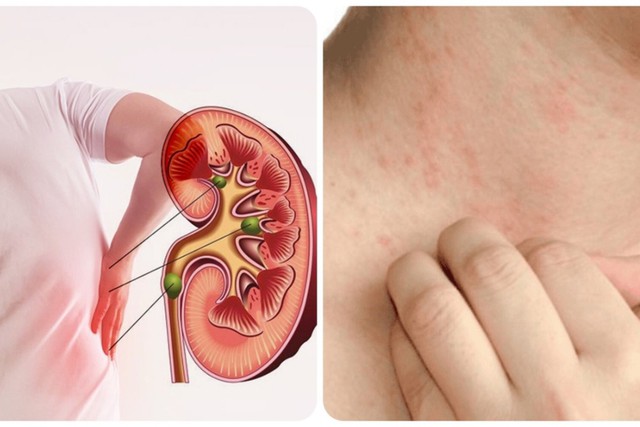
1. Foamy or Unusually Bubbly Urine
One of the changes people sometimes notice is urine that appears unusually foamy.
Occasional bubbles are usually not a reason for concern. Urine can become bubbly simply because it hits the water in the toilet quickly.
However, urine that repeatedly looks very foamy or frothy may sometimes be associated with excess protein in the urine.
Healthy kidneys normally prevent large amounts of protein from passing into urine. When the kidney's filtering structures become damaged, proteins can sometimes leak through.
If you repeatedly notice unusually foamy urine, particularly if it is accompanied by swelling around your eyes, ankles, or feet, it is worth discussing with a healthcare professional.
2. Blood in the Urine
Blood in the urine can make it appear:
-
Pink
-
Red
-
Brown
-
Dark
-
Cola-colored
This is known as hematuria.
Blood in the urine can occur with kidney problems, but it can also be caused by urinary tract infections, kidney stones, medications, intense exercise, or problems elsewhere in the urinary system.
Even if there is no pain, visible blood in the urine shouldn't simply be ignored.
If you notice unexplained blood in your urine, medical evaluation can help determine the cause.
3. Needing to Urinate More Frequently
Have you suddenly started going to the bathroom much more often than usual?
Frequent urination can have many causes.
You may simply be drinking more fluids, consuming more caffeine, or taking certain medications.
However, changes in kidney function can sometimes affect urination patterns.
Other possible causes include:
-
Diabetes
-
Urinary tract infections
-
Overactive bladder
-
Prostate problems
-
Pregnancy
-
Certain medications
A sudden or persistent change in your usual bathroom habits deserves attention.
4. Waking Up Frequently to Urinate
Getting up once during the night isn't necessarily abnormal.
But if you're repeatedly waking up several times every night to urinate, especially when this is a new development, it's worth considering why.
Nighttime urination can occur for many reasons, including drinking large amounts of fluid before bed, caffeine, alcohol, medications, diabetes, prostate problems, and certain kidney conditions.
If nighttime bathroom trips are becoming frequent enough to interfere with your sleep, talk with a healthcare professional.
5. Swollen Ankles or Feet
Your kidneys help remove excess fluid and sodium from the body.
When kidney function becomes impaired, the body may retain more fluid.
One possible result is swelling, particularly around:
-
Ankles
-
Feet
-
Lower legs
You may notice that your socks leave deeper marks than usual or that your shoes suddenly feel tighter.
Swelling can also result from heart problems, circulation issues, medications, or other conditions.
But persistent, unexplained swelling deserves attention.
6. Puffy Eyes, Especially in the Morning
Some people notice swelling around their eyes after waking.
Occasional puffiness can be caused by:
-
Lack of sleep
-
Allergies
-
High-salt meals
-
Crying
-
Sinus problems
However, persistent puffiness around the eyes can sometimes occur when protein is being lost through the urine.
If eye swelling repeatedly occurs alongside foamy urine or swelling in other parts of the body, it may be worth getting checked.
7. Swelling in the Hands or Face
Fluid retention isn't necessarily limited to your feet.
Some people may notice swelling in their:
-
Fingers
-
Hands
-
Face
-
Eyelids
You might notice that rings suddenly feel tight or that your face looks puffier than normal.
Again, swelling has many potential causes, so it shouldn't automatically be interpreted as kidney disease.
But unexplained swelling affecting multiple areas of the body deserves medical attention.
8. Unexplained Weight Gain
Not all weight gain comes from eating more or exercising less.
Rapid changes on the scale can sometimes reflect fluid retention.
This may happen alongside:
-
Swollen ankles
-
Puffy eyes
-
Tight rings
-
Abdominal swelling
-
Shortness of breath
If your weight increases noticeably over a short period without an obvious explanation, particularly when accompanied by swelling, don't ignore it.
9. Persistent Fatigue
Everyone feels tired sometimes.
But persistent fatigue that doesn't improve even after adequate sleep can be a sign that something needs attention.
Advanced kidney problems can contribute to fatigue for several reasons, including anemia and the buildup of waste products in the bloodstream.
However, fatigue is one of the least specific symptoms imaginable.
It can also be caused by:
-
Poor sleep
-
Stress
-
Anemia
-
Thyroid problems
-
Nutritional deficiencies
-
Infections
-
Depression
-
Other chronic illnesses
So don't assume that fatigue automatically means your kidneys are struggling.
Instead, persistent unexplained fatigue is a reason to look at your overall health.
10. Difficulty Concentrating
Some people with significant kidney dysfunction may experience difficulty concentrating or a feeling of mental "fog."
You might notice:
-
Forgetfulness
-
Difficulty focusing
-
Trouble completing familiar tasks
-
Reduced attention
-
Feeling mentally slower
There are many other explanations, however.
Stress, lack of sleep, anxiety, medications, dehydration, and numerous health conditions can affect concentration.
If mental fog becomes persistent or progressively worse, discuss it with a healthcare professional.
11. Trouble Sleeping
Kidney problems can sometimes be associated with sleep disturbances.
You may experience:
-
Difficulty falling asleep
-
Frequent waking
-
Poor-quality sleep
-
Excessive daytime sleepiness
Nighttime urination, itching, restless legs, and other symptoms may contribute to disrupted sleep.
But insomnia itself is extremely common and doesn't automatically indicate kidney disease.
If your sleep has consistently deteriorated without an obvious reason, it is worth investigating.
12. Persistent Itchy or Dry Skin
Persistent itching can occur in people with more advanced kidney disease.
Changes in mineral balance and the accumulation of certain substances in the bloodstream may contribute to skin symptoms.
You may experience:
-
Generalized itching
-
Dry skin
-
Itching without an obvious rash
-
Increased skin sensitivity
However, dry or itchy skin is far more commonly associated with things such as dry weather, eczema, allergies, soaps, medications, and other skin conditions.
If the itching is severe, widespread, persistent, or unexplained, seek medical advice.
13. Frequent Muscle Cramps
Muscle cramps are common and often harmless.
They can occur after exercise, prolonged sitting, dehydration, or physical fatigue.
However, significant kidney dysfunction can affect the body's electrolyte and mineral balance, potentially contributing to muscle cramps.
You might notice:
-
Calf cramps
-
Foot cramps
-
Muscle tightening
-
Nighttime cramps
If cramps are frequent, severe, or accompanied by other unexplained symptoms, it's worth discussing them with a healthcare professional.
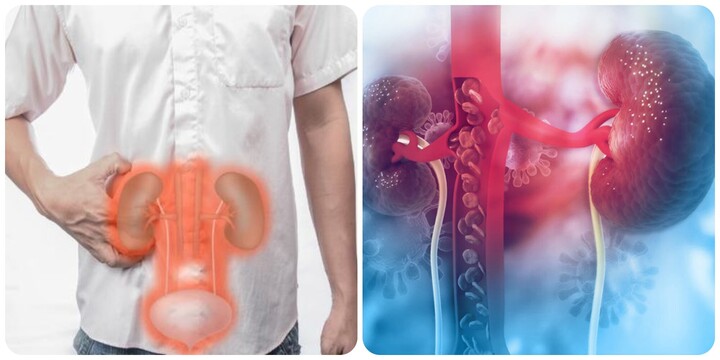
14. Persistent Nausea
Nausea can happen for countless reasons.
A stomach infection, food poisoning, medication, migraine, anxiety, or digestive condition can all cause nausea.
But significant kidney dysfunction can also contribute to persistent nausea as waste products accumulate in the bloodstream.
Pay particular attention if nausea occurs alongside:
-
Loss of appetite
-
Fatigue
-
Vomiting
-
Weight loss
-
Swelling
-
Changes in urination
Persistent nausea should not simply be dismissed as an upset stomach.
15. Repeated Vomiting
Vomiting is not a specific sign of kidney disease.
However, it can occur in advanced kidney dysfunction.
Repeated vomiting can also cause dehydration and electrolyte disturbances, which may place additional stress on the kidneys.
If vomiting continues or becomes severe, medical evaluation is important regardless of the suspected cause.
16. Loss of Appetite
A noticeable decrease in appetite can sometimes occur when kidney function becomes significantly impaired.
You may find that:
-
Food doesn't seem appealing
-
You become full quickly
-
You don't feel hungry at normal mealtimes
-
You are eating much less than usual
Many other conditions can cause appetite loss, including infections, stress, digestive problems, medications, and emotional difficulties.
If appetite loss persists or is accompanied by unexplained weight loss or weakness, don't ignore it.
17. Unexplained Weight Loss
Losing weight intentionally through a healthier diet and exercise is generally expected.
But losing weight without trying is different.
Unexplained weight loss can have many possible causes, including chronic illness, digestive problems, thyroid disorders, infections, and other medical conditions.
Kidney disease can sometimes contribute, particularly when it causes persistent nausea or appetite loss.
If you're losing a noticeable amount of weight without intentionally changing your lifestyle, seek medical evaluation.
18. Significant Changes in Urine Output
Pay attention not only to how frequently you urinate but also to how much urine you're producing.
A major decrease in urine output can occur with certain forms of kidney injury or serious illness.
On the other hand, some kidney problems can occur while urine production remains normal.
That's why there isn't one simple urine pattern that automatically identifies kidney disease.
A sudden and substantial change in urine output, particularly when accompanied by swelling, dehydration, pain, or illness, deserves prompt attention.
19. Pain or Burning When Urinating
Painful urination isn't necessarily caused by chronic kidney disease.
However, it can indicate a problem somewhere in the urinary system.
Possible causes include:
-
Urinary tract infections
-
Kidney stones
-
Bladder problems
-
Irritation
-
Certain infections
You may experience:
-
Burning
-
Stinging
-
Urgency
-
Pelvic discomfort
-
Cloudy urine
-
Strong-smelling urine
-
Blood in the urine
If painful urination persists, don't simply wait for it to disappear.
20. Persistent Pain in the Side or Back
Kidney stones or kidney infections can sometimes cause pain in the side, back, or area beneath the ribs.
The pain may be:
-
Sharp
-
Cramping
-
Severe
-
Constant
-
Intermittent
However, it's important to understand that ordinary chronic kidney disease often doesn't cause obvious pain.
Back pain is extremely common and is frequently related to muscles, joints, or the spine.
Severe side or back pain accompanied by fever, vomiting, blood in the urine, or difficulty urinating requires prompt medical attention.
21. High Blood Pressure
The relationship between blood pressure and kidney health goes both ways.
Long-term high blood pressure can damage the blood vessels and filtering structures in the kidneys.
At the same time, kidney disease can make blood pressure more difficult to control.
The concerning part is that high blood pressure often produces no noticeable symptoms.
You can have significantly elevated blood pressure while feeling completely normal.
That's why checking your blood pressure regularly can be an important part of protecting your kidneys and cardiovascular health.
22. Shortness of Breath
Shortness of breath can have many causes, including heart and lung conditions.
In advanced kidney disease, fluid accumulation can sometimes contribute to breathing difficulties.
Kidney-related anemia can also contribute to weakness and breathlessness.
But sudden or severe shortness of breath should never automatically be blamed on the kidneys.
If breathing difficulty appears suddenly, becomes severe, or occurs with chest pain, fainting, confusion, or bluish lips, seek emergency medical attention.
23. A Metallic or Unpleasant Taste in Your Mouth
Some people with significant kidney dysfunction experience changes in taste.
Foods may taste different, unpleasant, or metallic.
You might also notice that foods you previously enjoyed no longer seem appealing.
This can contribute to appetite loss.
However, taste changes can also occur because of:
-
Medications
-
Dental problems
-
Oral infections
-
Smoking
-
Changes in smell
-
Nutritional issues
Persistent unexplained changes in taste should be evaluated rather than automatically attributed to kidney disease.
The Biggest Warning Sign: Sometimes There Are No Signs
This may be the most important thing to understand about kidney health.
Early kidney disease may cause no obvious symptoms at all.
A person can have kidney damage while continuing to work, exercise, eat normally, and feel completely healthy.
That's why people with certain risk factors shouldn't wait until symptoms appear before discussing kidney testing.
Risk factors include:
-
Diabetes
-
High blood pressure
-
Heart disease
-
Obesity
-
Family history of kidney disease
-
Previous kidney problems
-
Recurrent kidney stones
-
Certain medical conditions
How Can Kidney Health Be Checked?
Symptoms can provide clues, but testing is much more reliable.
Healthcare professionals may use blood and urine tests to evaluate kidney function.
One important blood measurement is eGFR, which estimates how effectively the kidneys filter blood.
Another useful test is the urine albumin-to-creatinine ratio, which can detect abnormal levels of albumin in urine.
These tests can identify kidney problems before severe symptoms develop.
Don't Try to Diagnose Yourself From Symptoms
It's tempting to search for symptoms online and conclude:
"I have swollen ankles, so my kidneys must be failing."
That's not how diagnosis works.
The same symptom can have dozens of causes.
For example:
Fatigue can come from poor sleep, anemia, stress, thyroid problems, or many other conditions.
Swelling can involve the kidneys, heart, veins, medications, or other factors.
Frequent urination can be related to fluids, caffeine, diabetes, infections, medications, or bladder problems.
Symptoms are clues—not diagnoses.
Be Careful With "Kidney Detox" Claims
There are countless products marketed as kidney cleanses or detox treatments.
You may see teas, powders, supplements, and herbal mixtures promising to "flush" your kidneys.
Be skeptical.
Your kidneys already have an extremely sophisticated filtration system.
Drinking excessive amounts of water doesn't magically cleanse damaged kidneys.
Some supplements can also interact with medications or potentially cause harm.
If you're worried about kidney health, testing and professional medical advice are far more useful than an internet detox product.
Everyday Habits That Support Kidney Health
Protecting your kidneys doesn't require an elaborate routine.
Focus on the fundamentals.
Keep Blood Pressure Under Control
High blood pressure is one of the most important risk factors for kidney damage.
Know your numbers and follow your treatment plan if you've been diagnosed with hypertension.
Manage Blood Sugar
If you have diabetes, controlling blood sugar is an important part of protecting your kidneys.
Stay Active
Regular physical activity supports cardiovascular health, blood pressure, blood sugar, and healthy body weight.
Eat a Balanced Diet
Choose a variety of vegetables, fruits, whole grains, and minimally processed foods while keeping excessive sodium and highly processed foods in check.
Don't Smoke
Smoking damages blood vessels and can negatively affect kidney and cardiovascular health.
Be Careful With Medications
Some medications can affect kidney function, particularly when taken incorrectly or excessively.
Always follow recommended doses and ask a healthcare professional if you're unsure about long-term use.
Maintain a Healthy Weight
Maintaining a healthy weight can reduce the risk of conditions that place additional stress on the kidneys.
When Should You Seek Medical Attention?
Some symptoms shouldn't wait for a routine appointment.
Seek prompt medical attention if you experience:
-
A sudden major reduction in urine output
-
Visible blood in the urine
-
Severe side or back pain
-
Fever combined with urinary symptoms
-
Significant unexplained swelling
-
Severe shortness of breath
-
Persistent vomiting
-
Confusion
-
Severe weakness
These symptoms can have many different causes, but some can represent urgent medical problems.
23 Signs to Remember
For a quick recap, possible warning signs include:
1. Persistent foamy urine
2. Blood in the urine
3. Frequent urination
4. Frequent nighttime urination
5. Swollen ankles or feet
6. Puffy eyes
7. Swollen hands or face
8. Unexplained fluid-related weight gain
9. Persistent fatigue
10. Difficulty concentrating
11. Sleep problems
12. Dry or itchy skin
13. Frequent muscle cramps
14. Persistent nausea
15. Repeated vomiting
16. Loss of appetite
17. Unexplained weight loss
18. Major changes in urine output
19. Painful urination
20. Persistent side or back pain
21. High blood pressure
22. Shortness of breath
23. Metallic or unpleasant taste
Remember, these symptoms do not automatically mean you have kidney disease. Many can occur for completely different reasons.
The Bottom Line
Your kidneys can be working less effectively without producing obvious warning signs. That's what makes kidney disease particularly easy to overlook.
Pay attention to persistent changes in urination, swelling, unexplained fatigue, appetite changes, blood in the urine, unusual pain, and other symptoms that don't have an obvious explanation.
But don't wait for symptoms if you have major risk factors.
Regular blood pressure checks, appropriate blood and urine testing, healthy lifestyle habits, and proper management of conditions such as diabetes and hypertension can all play an important role in protecting kidney health.
Your kidneys work silently every day. You may not notice them when they're healthy—but taking care of them today can make a meaningful difference to your health in the years ahead.